Why the South Island Is the World's Best Campervan Destination
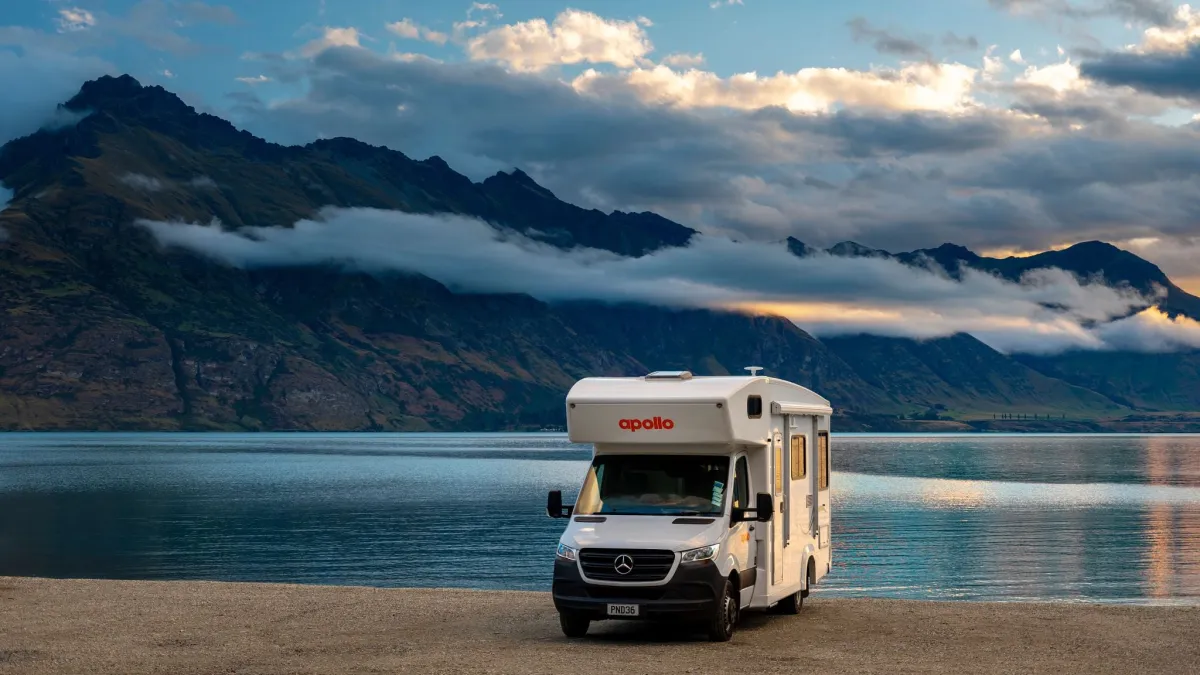
New Zealand's South Island packs an absurd amount of scenic diversity into an area smaller than England. In a single day you can drive from rainforest to glacier to mountain pass to coastal town. The roads are quiet, the campgrounds are beautiful, and the freedom camping network means you can park up beside rivers, lakes, and beaches for free.
Having driven every major campervan destination on the planet — Australia, Scandinavia, North America, Iceland — the South Island consistently delivers the highest density of jaw-dropping scenery per kilometre. The variety is staggering: within a 14-day loop, you'll encounter fiords deeper than anything in Norway, glaciers that nearly reach the sea, turquoise lakes fed by glacial melt, coastal mountains plunging into the Pacific, golden sand beaches backed by native bush, and penguin colonies on the southern coast.
Pick up your campervan in Christchurch and set out on a 14-day loop that covers the South Island's greatest hits. Campervan hire in New Zealand gives you the freedom to explore at your own pace — and the South Island is where that freedom really shines.
Planning Your South Island Campervan Trip
When to Go
The South Island campervan season runs from October to April, with the peak period being December to February (NZ summer). Each period offers different advantages:
- October–November (spring): Fewer crowds, lower prices (30–40% off peak rates), snow-capped mountains, wildflowers in Mackenzie Country. Weather is changeable — be prepared for all four seasons in one day. Some high-altitude tracks (Routeburn, Milford) may still have snow.
- December–February (summer): Longest daylight hours (sunset after 9:30pm), warmest temperatures (20–30°C), all tracks and campgrounds open. This is peak season — book campervans and DOC campgrounds well ahead.
- March–April (autumn): Stunning autumn colours around Queenstown, Wānaka, and Arrowtown. Temperatures are pleasant, crowds thin dramatically, and prices drop. Our recommended sweet spot for first-time visitors.
Choosing Your Campervan
For the South Island, vehicle choice matters because of the varied terrain and weather:
- 2-berth hitop (e.g., Britz Hitop, JUCY Condo): Perfect for couples. Compact enough for mountain roads, fuel-efficient, and cheaper to rent ($80–150/day). No onboard bathroom — you'll rely on campground facilities.
- 4-berth motorhome (e.g., Maui Cascade, Britz Frontier): Best for families. Onboard shower, toilet, kitchen, and dining area. These qualify as self-contained for freedom camping. Larger vehicles need extra care on narrow mountain roads ($150–300/day).
- Self-contained requirement: If you plan to freedom camp, your vehicle must have a Green Self-Containment Warrant. Confirm this when booking.
📍 See our Christchurch campervan hire guide for detailed brand comparisons and pricing.
Budget Overview for 14 Days
- Campervan hire: NZ$1,400–$4,200 (depending on vehicle type and season)
- Fuel: NZ$400–$600 (2,400 km at approximately NZ$2.50/litre, campervans average 12–15L/100km)
- Camping: NZ$0–$700 (mix of freedom camping, DOC sites at $8–15/night, and holiday parks at $45–60/night)
- Food: NZ$500–$900 (self-catering with occasional restaurant meals)
- Activities: NZ$300–$1,500 (whale watching $175, Milford Sound cruise $60–250, glacier heli-hike $449, Routeburn day walk free)
- Total for two: NZ$2,600–$7,900 ($4,500 is a comfortable middle ground)
Day 1–2: Christchurch to Kaikōura (180 km)
Drive Time: 2.5 hours via SH1
Head north from Christchurch on SH1 along the Pacific coast to Kaikōura, a small town wedged between the Seaward Kaikōura Range and the Pacific Ocean. The marine life here is extraordinary — sperm whales, dusky dolphins, fur seals, and albatross all thrive in the deep underwater canyon just offshore.
The drive itself is scenic, following the coast through the towns of Cheviot and Oaro. The road was extensively rebuilt after the 2016 earthquake and now features some engineering marvels. Stop at Ohau Point (25 km north of Kaikōura) to see dozens of fur seals lounging on the rocks — in winter and spring, seal pups play in the freshwater pool behind the viewing platform. It's free and unforgettable.
Kaikōura Must-Dos
- Whale Watch Kaikōura — NZ$175/adult for a 2.5-hour boat trip. Sperm whales are present year-round, with sightings on 95% of tours. You'll also see Hector's dolphins (the world's smallest and rarest dolphin), various albatross species, and occasionally orca. Book 2–3 weeks ahead in summer.
- Dolphin Encounter — Swim with wild dusky dolphins (NZ$185/adult). Hundreds of dolphins gather in Kaikōura's waters, and swimming among them as they leap and spin is exhilarating. Winter is actually the best season — larger pods gather closer to shore.
- Kaikōura Peninsula Walkway — Free 3-hour coastal loop with views of the mountains plunging into the sea. The limestone formations and rock pools are fascinating at low tide, and you'll likely spot seals along the way.
- Crayfish (lobster) — Kaikōura means "to eat crayfish" in Māori. Buy fresh crayfish from roadside caravans (NZ$30–50 for a whole cray) — it's a Kaikōura tradition and genuinely some of the best seafood you'll ever taste.
Where to Camp in Kaikōura
- Kaikōura Top 10 Holiday Park — Powered sites NZ$55/night, ocean views, modern facilities including camp kitchen and hot showers.
- Goose Bay Freedom Camping — Free certified self-contained camping area south of town, directly beside the ocean. Basic (no facilities) but the location is superb.
- Mangamaunu Freedom Camp — North of Kaikōura, ocean views, popular with surfers. Self-contained vehicles only.
Day 3–4: Kaikōura to Nelson & Abel Tasman (340 km)
Drive Time: 4.5 hours via Lewis Pass
Cross the mountains via the Lewis Pass — one of three routes across the Southern Alps and the least crowded. The pass climbs through beech forest and alpine tussock, with several short walks along the way (Maruia Falls is a 5-minute stop for an impressive horseshoe waterfall).
Descend into the Nelson/Tasman region — New Zealand's sunniest area with over 2,400 sunshine hours per year. Nelson itself is a charming small city with a vibrant art scene, craft breweries, and the Saturday morning Nelson Market (one of NZ's best, with local produce, food stalls, and crafts).
Spend a day in Abel Tasman National Park, the country's smallest but most popular national park. Golden sand beaches, turquoise water, and native bush walks make it a subtropical paradise that wouldn't look out of place in the Caribbean.
Take the Abel Tasman water taxi (NZ$45 one-way) from Kaiteriteri to Bark Bay or Tonga Island and walk back along the coastal track — you'll pass through native bush with bellbirds singing, across swing bridges, and along beaches where you'll be the only person. The walk from Bark Bay to Kaiteriteri takes 3–4 hours and is manageable for most fitness levels.
For kayaking, Abel Tasman Kayaks offers guided and freedom kayak trips through the park's golden coastline. Paddle past Split Apple Rock, observe fur seal colonies, and beach your kayak on deserted golden sand beaches.
Where to camp: Kaiteriteri Recreation Reserve has powered campervan sites 200 metres from the beach and the water taxi departure point. In Nelson, the Tahuna Beach Holiday Park is the country's largest holiday park with excellent facilities and direct beach access.
Day 5–6: Nelson to the West Coast Glaciers (380 km)
Drive Time: 5 hours via Buller Gorge
Drive south through Buller Gorge (stop at the historic swing bridge — NZ's longest, at 110 metres) and down the wild West Coast. This is raw, rugged New Zealand — pounding surf, ancient podocarp rainforest, towering coastal cliffs, and barely any people.
The West Coast has a frontier feel unlike anywhere else in New Zealand. Annual rainfall exceeds 5,000mm in some areas, which feeds the lush rainforest and keeps the glaciers healthy. The tiny towns of Hokitika (famous for pounamu/greenstone carving) and Greymouth are worth brief stops. In Hokitika, visit a pounamu workshop to see Māori greenstone being carved — you can even carve your own pendant (workshops from NZ$60).
The twin glaciers — Franz Josef and Fox Glacier — are unique because they descend from the Southern Alps almost to sea level, surrounded by temperate rainforest. No other glaciers in the world exist in such a lush environment at such a low altitude.
The Franz Josef Glacier Valley Walk (1.5 hours return) takes you along the river valley to a viewpoint of the glacier's terminal face. The glacier has retreated significantly but remains impressive. For a much deeper experience, take a helicopter hike (from NZ$449 with Fox or Franz Josef Glacier Guides) — land on the glacier's upper ice field and spend 2–3 hours exploring ice caves, crevasses, and seracs with expert guides. This is genuinely one of the world's great adventure experiences.
The Franz Josef hot pools (NZ$32/adult) are the perfect end to a glacier day — soak in natural hot mineral water surrounded by rainforest as darkness falls.
Where to camp: Franz Josef Top 10 Holiday Park has powered sites within walking distance of the glacier valley. The Rainforest Retreat offers more upmarket glamping options. On the freedom camping front, Lake Mapourika (15 minutes from Franz Josef) offers lakeside camping with mountain reflections at sunrise.
Day 7–8: Glaciers to Wānaka & Queenstown (350 km)
Drive Time: 4.5 hours via Haast Pass
Cross the Haast Pass, one of only three roads across the Southern Alps. This is one of New Zealand's most scenic drives — the road winds through ancient rainforest, past waterfalls, alongside wild rivers, and over the alpine pass into the dry, golden tussock country of Central Otago.
Essential stops along the way:
- Thunder Creek Falls (5-minute walk) — A 28-metre waterfall plunging through moss-covered rainforest.
- Blue Pools (30 minutes return) — Walk through beech forest to swing bridges over impossibly clear blue river pools. In autumn, you can watch large trout holding in the current below. This is one of the South Island's most popular short walks.
- Lake Hāwea viewpoint — As you descend from the pass, the turquoise glacial lake appears below, framed by tussock hills. The viewpoint is unforgettable.
Continue to Wānaka, a lakeside town with a more relaxed vibe than Queenstown. Wānaka is surrounded by mountains and sits on the shore of its namesake lake — the views are stunning from every angle. The famous Roys Peak Track (5–6 hours return, 1,250m elevation gain) rewards hikers with one of New Zealand's most photographed views — Lake Wānaka surrounded by mountains stretching to the horizon. Start early (6am) to beat the crowds and the midday heat.
Other Wānaka highlights include Puzzling World (quirky optical illusion attraction), the Wānaka Lavender Farm (December–February), and the town's excellent café scene (Federal Diner is outstanding).
Drive the Crown Range Road to Queenstown — New Zealand's adventure capital. This is the highest sealed road in New Zealand, with spectacular views in both directions. The descent into the Queenstown basin, with the Remarkables mountain range towering above, is breathtaking.
Where to camp: Wānaka Lakeview Holiday Park has lakefront powered sites with mountain views. In Queenstown, Queenstown Lakeview Holiday Park is centrally located. For freedom camping, Twelve Mile Delta on Lake Wakatipu ($8 DOC fee) is scenic and peaceful.
Day 9–10: Queenstown (Rest Days)
Base yourself in Queenstown for two days to recover from driving and enjoy New Zealand's adventure capital. Queenstown sits on the shores of Lake Wakatipu, framed by the Remarkables and Walter Peak — the setting is extraordinary.
- Skyline Gondola & Luge — NZ$49 for gondola + luge rides with mountain views. The restaurant at the top does excellent buffet dinners with panoramic views.
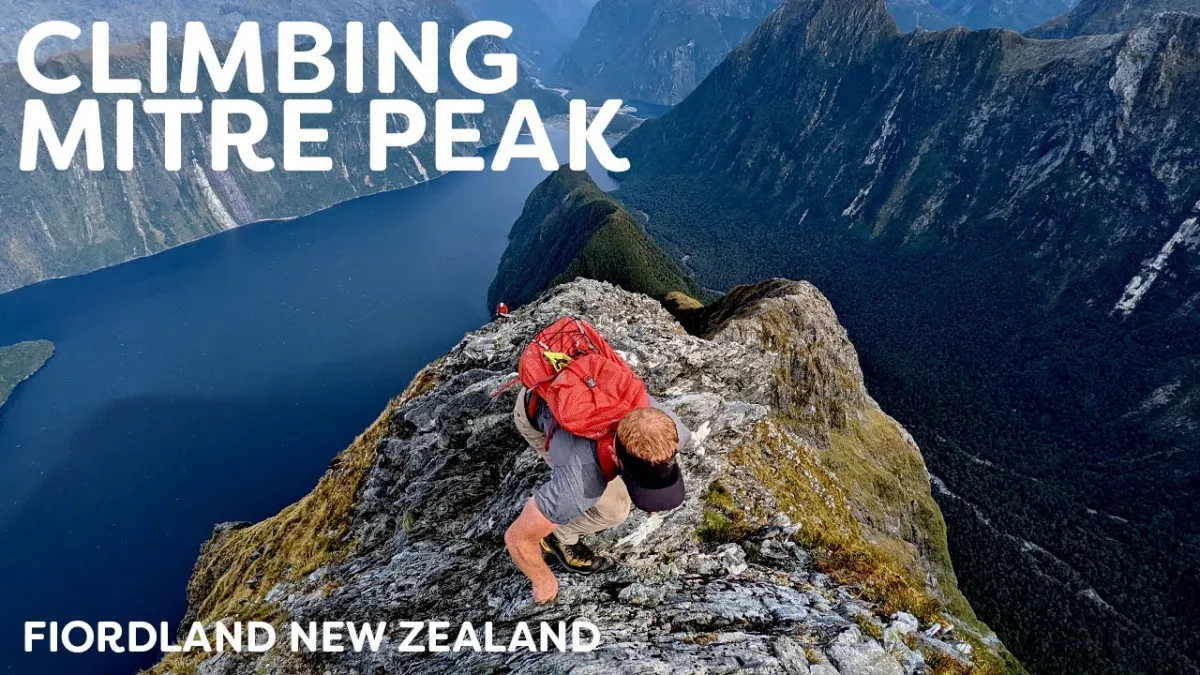
- Milford Sound Day Trip — The must-do South Island experience. Drive the stunning Milford Road (2 hours each way) through the Homer Tunnel to Milford Sound, where sheer cliffs rise 1,200 metres from dark waters. Take a cruise (from NZ$60) to see waterfalls, seals, and possibly dolphins. See our complete Milford Sound guide.
- Fergburger — Queenstown's legendary burger joint. The queue is always long and it's always worth it. The "Sweet Little Lamb" burger with mint jelly is outstanding.
- Glenorchy Drive — 45 minutes from Queenstown along Lake Wakatipu. Lord of the Rings filming location (Isengard, Lothlórien). The drive alone is worth it — the lake and mountain scenery is cinematic in the most literal sense.
- Arrowtown — A beautifully preserved gold rush village 20 minutes from Queenstown. Walk the Chinese Settlement (free), browse the boutique shops, and eat at Provisions café. In autumn (April), the entire town turns gold and red — it's one of NZ's most photographed scenes.
- Adventure activities: Queenstown invented modern adventure tourism. Options include bungee jumping at Kawarau Bridge (NZ's original bungee, NZ$205), jet boating on the Shotover River (NZ$159), skydiving (NZ$299–$449), paragliding (NZ$239), and canyon swinging (NZ$219).
Day 11–12: Queenstown to Dunedin via the Catlins (450 km)
Drive Time: 6 hours (with stops)
Head south to the Catlins, the South Island's wild, undeveloped southeast corner. This region is off most tourist radars but rewards those who visit with deserted beaches, petrified forests, sea lion colonies, and one of the world's rarest penguins. The Catlins feel like New Zealand 50 years ago — empty, unspoiled, and genuinely wild.
- Nugget Point Lighthouse — Walk to a lighthouse perched on a dramatic headland above fur seal colonies and nesting birds. The rocks below (the "nuggets") are home to penguins, seals, and sea lions. Early morning is best for wildlife.
- Curio Bay Petrified Forest — At low tide, see fossilised tree stumps from a 180-million-year-old Jurassic forest exposed on the rock platform. Yellow-eyed penguins (one of the world's rarest penguin species) come ashore here at dusk — watch from the viewing platform and maintain a respectful distance.
- Slope Point — The South Island's southernmost point, marked by wind-sculpted trees growing at 45-degree angles. A short walk across farmland reaches the actual point — there's a satisfying sense of achievement standing at the bottom of the South Island.
- Cathedral Caves — Massive sea caves accessible at low tide (check tide times before visiting). The caves are up to 30 metres high and deeply atmospheric.
- McLean Falls — A beautiful 22-metre waterfall reached by a 40-minute bush walk. Often deserted.
Where to camp: Curio Bay has a DOC campground right beside the petrified forest and penguin viewing area ($15/night) — watching penguins come ashore from your campsite is magical. Several freedom camping spots exist along the Catlins coast for self-contained vehicles.
Day 13–14: Dunedin to Christchurch (360 km)
Drive Time: 4.5 hours
Explore Dunedin's Scottish heritage, Victorian architecture, and the incredible Otago Peninsula — home to royal albatross, yellow-eyed penguins, and New Zealand sea lions. The Royal Albatross Centre at Taiaroa Head is the only mainland albatross colony in the world — watching these massive birds (3-metre wingspan) soar and land is awe-inspiring (tours NZ$52/adult).
Dunedin itself has a vibrant university-town energy with excellent street art, craft beer (Emerson's Brewery tour is excellent), and the stunning Dunedin Railway Station — one of the most photographed buildings in New Zealand.
The return drive to Christchurch follows the Pacific coast through Oamaru (famous blue penguin colony, $35 evening viewing — arrive 30 minutes before sunset) and the weird Moeraki Boulders — perfectly spherical 2-metre boulders scattered on the beach, formed over 60 million years on the ancient sea floor.
Essential South Island Driving Tips
- Left-hand traffic: New Zealand drives on the left. Take extra care at intersections and roundabouts, especially in the first few days.
- Mountain roads: Many South Island roads are narrow, winding, and without barriers. The road to Milford Sound, the Crown Range, and the West Coast highway all require careful driving. Allow extra time in a campervan.
- Weather: The South Island can experience four seasons in one day. Always carry warm layers and rain gear, even in summer. The West Coast is significantly wetter than the east.
- Fuel: Fill up in every main town. Some stretches (Haast Pass, the road to Milford) have no fuel for 100+ km. Fuel prices are approximately NZ$2.40–2.80/litre.
- One-lane bridges: Common on the South Island. Give way to oncoming traffic when indicated by signs. Approach slowly and check for vehicles already on the bridge.
📍 Read our Christchurch campervan hire guide for brand comparisons and pricing, or our complete NZ campervan hire guide for nationwide tips.
Return your campervan in Christchurch after 14 days and 2,400 km of the world's best scenery. Ready to compare campervan hire prices for this route? Use our comparison tool to find the best deal from trusted NZ rental brands.
Planning your trip?
Compare campervan & motorhome hire prices across New Zealand: