Beyond the Great Ocean Road
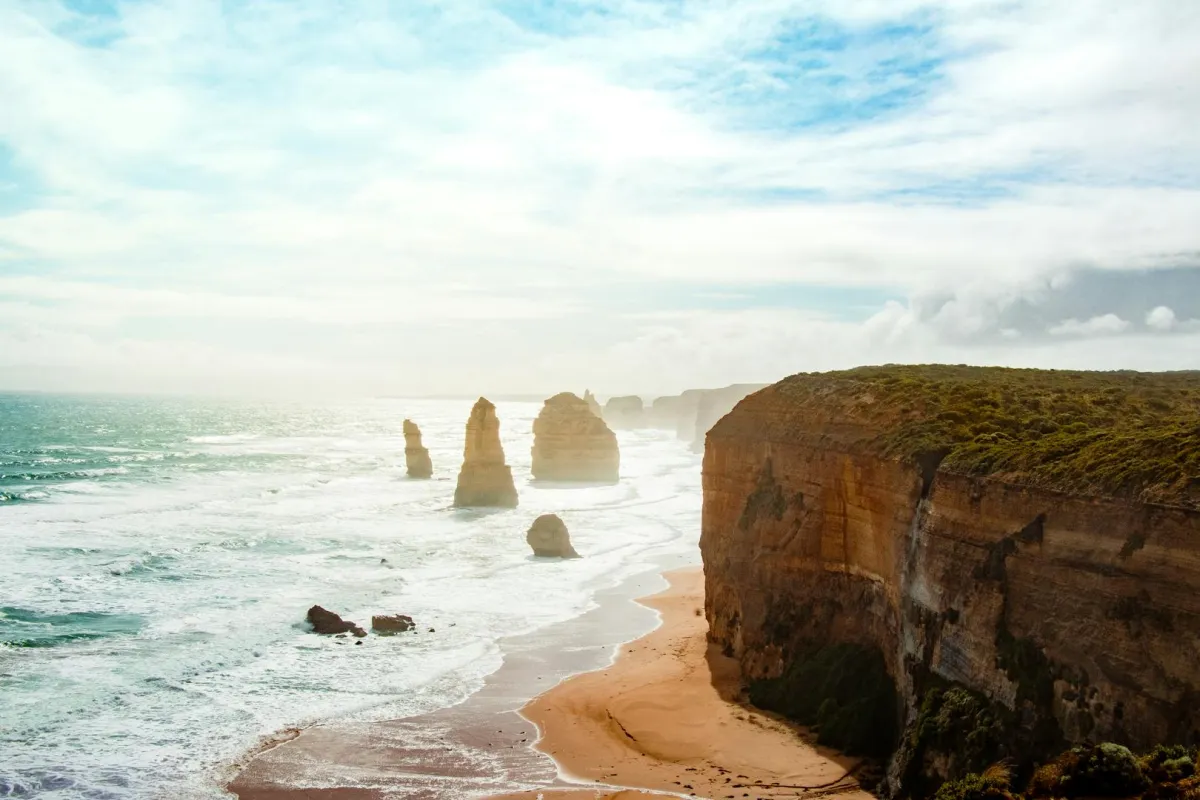
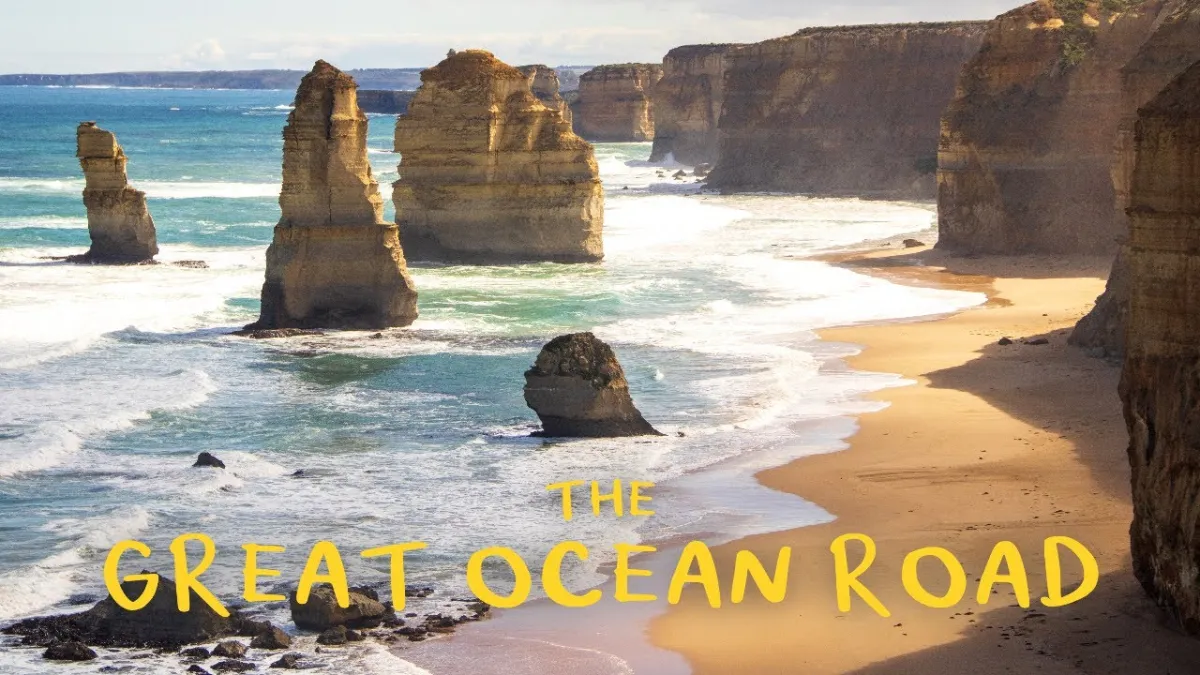
Every visitor to Victoria knows the Great Ocean Road, but the state has so much more to offer campervan travellers. From the pristine wilderness of Wilsons Promontory to the ancient mountains of the Grampians, Victoria packs incredible diversity into a surprisingly compact area — and that's what makes it such a rewarding campervan destination.
Victoria is Australia's smallest mainland state, which means you can reach world-class national parks within 2–4 hours of Melbourne. The roads are well-maintained, caravan parks are plentiful, and you'll find free camping options scattered throughout regional Victoria. Whether you have a long weekend or a full week, these four routes showcase the best of Victoria beyond its most famous road.
Route 1: Wilsons Promontory
Distance: 230 km from Melbourne | Duration: 2–3 days
Wilsons Promontory (“The Prom”) is the southernmost point of mainland Australia and arguably Victoria's most spectacular national park. The granite headlands plunge into turquoise water, pristine beaches stretch for kilometres, and the camping at Tidal River is world-class — wombats waddle through the campsite at dusk, rosellas land on your breakfast table, and the beach is a 2-minute walk from your van.
Must-do walks include Squeaky Beach (round quartz sand that squeaks underfoot — it really does), the Mount Oberon Summit Walk (3.4 km return, stunning 360-degree panoramic views of the coastline and Bass Strait islands), and the epic overnight hike to the Lighthouse at the very tip of the continent (19 km one way, requires booking a campsite at the lighthouse).
For a less-strenuous option, the Lilly Pilly Gully Nature Walk (5 km loop) meanders through temperate rainforest filled with ferns and giant mountain ash. The Pillar Point lookout walk is short but rewarding, with views across Tidal River inlet.
Camping tip: Tidal River campground bookings open months in advance and sell out within hours for summer and school holidays. Set a reminder and book the moment sites open. The campground has powered and unpowered sites, hot showers, a general store, and a cinema (yes, an outdoor cinema at a campground).
Alternative camping: If Tidal River is full, Fish Creek and Foster have caravan parks within 30 minutes of the park entrance.
Route 2: The Grampians (Gariwerd)
Distance: 260 km from Melbourne | Duration: 2–3 days
The Grampians (known as Gariwerd to the Djab Wurrung and Jardwadjali peoples) are an ancient sandstone mountain range that rises dramatically from the western Victorian plains. The landscape is extraordinary — dramatic sandstone peaks, Aboriginal rock art sites dating back 20,000+ years, and wildflowers that carpet the valleys in spring (September–November) with over 1,000 species, including 20+ found nowhere else on Earth.
The main town of Halls Gap sits in a valley surrounded by peaks and is a perfect campervan base. Kangaroos graze on the oval at dusk (practically guaranteed sightings), and the local bakery does excellent pies for hikers.
Don't miss the Pinnacle Walk (4.2 km return from Wonderland car park) for jaw-dropping views across the Grampians ranges — the sandstone formations along the way are like a natural sculpture gallery. MacKenzie Falls is Victoria's largest permanently flowing waterfall, accessed via a steep 2 km return walk to the base. The Brambuk Cultural Centre (free entry) offers Aboriginal heritage exhibits, Dreaming stories, and a chance to throw a boomerang.
The Balconies (formerly The Jaws) is another iconic lookout — a protruding rock formation with views across the Victoria Valley. It's a short 2 km return walk and spectacular at sunset.
Camping: Halls Gap Lakeside Tourist Park has powered sites from $40/night. For bush camping, Smiths Mill and Borough Huts campgrounds in the national park offer basic sites for $20–25/night (book via Parks Victoria).
Route 3: Great Alpine Road
Distance: 340 km from Melbourne | Duration: 3–5 days
The Great Alpine Road crosses the Victorian Alps from Wangaratta to Bairnsdale — one of Australia's highest paved roads, reaching 1,837 metres at Mount Hotham. In summer, it's a spectacular drive through eucalyptus forest, alpine meadows dotted with wildflowers, and charming mountain towns.
Bright is the jewel of the High Country — a charming town famous for its stunning autumn colours (April–May) when the elm, oak, and maple trees lining the main street explode in gold, orange, and red. It's an excellent base for cycling (the Murray to Mountains Rail Trail passes through town), bushwalking, and visiting local craft breweries like Bright Brewery and Reed & Co. Distillery.
From Bright, drive over Mount Hotham (the road is open November–May) through snow gum woodland and alpine herb fields. Stop at Dinner Plain — an architecturally unique alpine village built with cattle-station aesthetics. In summer, the hiking here is excellent and crowd-free.
Continue to Omeo, a small historic gold-mining town in a beautiful valley, then descend through dense forest to Bairnsdale and the Gippsland Lakes.
Cycling option: The Murray to Mountains Rail Trail is one of Australia's best cycling paths — a flat, sealed trail through the valley linking Bright to Beechworth (a beautifully preserved gold-rush town famous for its bakery and Ned Kelly history). Many campervan travellers bring bikes and spend a day cycling the trail.
Camping: Bright Holiday Park has riverside powered sites from $45/night. Free riverside camping is available at several spots along the Ovens River between Bright and Myrtleford.
Route 4: Gippsland Lakes & East Gippsland
Distance: 280 km from Melbourne | Duration: 3–5 days
East of Melbourne, the Gippsland Lakes form Australia's largest inland waterway — a network of lakes, rivers, and channels covering 600 square kilometres. Lakes Entrance is the main town, offering boat cruises, fishing (the town calls itself the "fishing capital of Victoria"), and walks along Ninety Mile Beach — an unbroken stretch of ocean beach that's one of the longest in the world.
Continue east to Mallacoota — one of the most remote and beautiful coastal towns in Victoria. The inlet is surrounded by Croajingolong National Park (UNESCO Biosphere Reserve) and is home to extraordinary birdlife, including sea eagles and black swans. The beaches are pristine, virtually empty, and the fishing is legendary.
En route, stop at Buchan Caves Reserve for guided tours of spectacular limestone caves, and Snowy River National Park for dramatic gorge views and white-water scenery.
Camping: Lakes Entrance has numerous caravan parks. Mallacoota Foreshore Holiday Park offers lakeside powered sites from $40/night. Free bush camping is available at several spots in Croajingolong National Park (book via Parks Victoria).
Tours & Experiences in Victoria
Victoria's compact size means you can combine these campervan routes with guided experiences in Melbourne before or after your trip. Wildlife encounters, wine regions, and cultural experiences are all within easy reach.
Planning Tips
- Best time: October–April for all routes. The Great Alpine Road is closed in winter (June–October). The Grampians and Wilsons Prom are beautiful year-round but can be cold and wet in winter.
- Combine routes: A 2-week trip could link Melbourne → Great Ocean Road → Grampians → return, or Melbourne → Wilsons Prom → Gippsland Lakes → Great Alpine Road → return.
- Fuel: Regional Victorian towns have fuel but prices are 10–20% higher than Melbourne. Fill up before entering national parks.
- Wildlife: Victoria is one of the best states for wildlife encounters. Kangaroos, wallabies, and wombats are common at dusk — drive carefully at dawn and dusk, especially near national parks.
📍 For a full breakdown of brands, pricing, and tips, see our Melbourne campervan hire guide.
Planning your trip?
Compare campervan & motorhome hire prices across Australia: