The honest case for a winter campervan trip from Melbourne
Winter in Melbourne gets a bad rap. Yes, it rains. Yes, mornings can be sharp. But if you're considering campervan hire Melbourne winter style — June through August — there's a genuinely compelling case to be made, and it has nothing to do with pretending the cold doesn't exist.
The real reasons to go: hire rates drop noticeably, popular parks along the Great Ocean Road and the High Country are far less crowded, and the landscapes — misty Otways, snow-dusted alpine roads, moody coastal cliffs — look completely different to their summer selves. You just need to go in with realistic expectations about heating, site availability, and what's actually open.
This guide covers all of that. No fluff, no cheerleading — just what you need to decide whether a winter trip works for you.
How much cheaper is winter campervan hire in Melbourne, really?
Operators price by demand, and demand in Melbourne drops sharply from June to August. As a rough guide, you can expect daily rates to be 20–40% lower than peak summer (December–January) rates, depending on the vehicle class and operator. Budget-end campervans from operators like Jucy, Cheapa Campa, and Mighty tend to see the steepest proportional drops. Mid-range operators like Travellers Autobarn, Camperman, and Apollo also discount meaningfully. Premium brands like Maui and Star RV discount less aggressively but still move on price.
To give you a realistic sense of the range (indicative only — live prices shift constantly):
| Vehicle Type | Approx. Summer Daily Rate | Approx. Winter Daily Rate | Typical Saving |
|---|---|---|---|
| 2-berth budget campervan (Jucy, Cheapa) | $110–$150 | $70–$100 | 25–35% |
| 2-berth mid-range (Apollo, Camperman) | $130–$180 | $90–$130 | 20–30% |
| 4-berth family motorhome (Britz, Mighty) | $180–$260 | $120–$180 | 25–35% |
| Luxury motorhome (Maui, Star RV) | $280–$400 | $200–$300 | 15–25% |
These are indicative ranges based on typical market patterns — always check live availability. The best way to see what multiple operators are actually quoting for your specific dates is to compare campervan hire in Melbourne across 30+ brands on CamperCompare, which pulls real-time pricing side by side.
One more thing worth knowing: if your trip runs into late August or September, you're edging into the end-of-winter sale window. Operators like Apollo, Britz, and Lets Go often run significant promotions around this time. Check out the End of Winter Campervan Sale 2026 for current deals across Australia.
Heating: what you actually get (and what you don't)
This is the question that matters most for a winter trip, and the answer varies a lot by operator and vehicle class.
Most mid-range and premium campervans do include a diesel or gas heater — typically a Truma or Webasto unit that runs independently of the engine and can keep the van genuinely warm overnight. Maui, Star RV, Apollo Euro Camper, and Britz Frontier models generally come with these as standard. If heating is non-negotiable for you, these are the vehicles to look at.
Budget campervans are a different story. Many Jucy, Cheapa Campa, and entry-level Mighty vans rely on a small gas cooktop for warmth, or include only a basic fan heater that requires 240V mains power (i.e., you need a powered site). Some have no built-in heating at all. Always check the specific vehicle spec before booking — don't assume.
Practical tips:
- Ask the operator directly: "Does this vehicle have a diesel or gas heater that runs off-grid?" Get it in writing if it matters to you.
- If you're in a van with only a 240V heater, plan your itinerary around powered sites (more on that below).
- Pack a quality sleeping bag rated to at least 0°C regardless of what heating the van has. Heaters can fail, and alpine areas like Mount Hotham or Falls Creek can drop well below zero overnight.
- A thermal layer for the cab is worth it — the driver's area is rarely heated while you're moving.
Powered sites in Victoria: what's available in winter
If your van needs mains power for heating, you need to plan around powered site availability. The good news: most commercial caravan parks in Victoria stay open year-round and maintain powered sites. The bad news: some parks reduce their powered site numbers in winter, and a handful of smaller parks close entirely from June to August.
Reliable powered site options along popular Melbourne winter routes include:
- Great Ocean Road: BIG4 Anglesea Family Holiday Park, Lorne Foreshore Caravan Park, and Apollo Bay Holiday Park all operate year-round with powered sites. Expect to pay $45–$70 per night for a powered site in winter, compared to $70–$110 in peak summer.
- Grampians: Halls Gap Caravan Park and Grampians Paradise Camping stay open. The Grampians is genuinely spectacular in winter — waterfalls are running, wildflowers start in late July, and you'll have the walking tracks largely to yourself.
- Mornington Peninsula: Rosebud and Rye caravan parks operate year-round. Easy day trips from Melbourne if you want a short winter shakedown trip.
- High Country (Bright, Beechworth, Myrtleford): Most commercial parks stay open. Bright Freeburgh Caravan Park is a solid base. Note that some free camping areas on alpine roads close due to snow or road conditions — check VicRoads and Parks Victoria before heading up.
Free camping and national park campgrounds are more variable. Many Parks Victoria sites in alpine areas close or become inaccessible in winter. Always check the Parks Victoria website for current closures before you leave.
What actually closes in winter — and what doesn't
This is where some winter trips go wrong. People assume everything is open and then find a locked gate or a shuttered café at the end of a two-hour drive.
What tends to close or reduce hours (June–August):
- Some smaller tourist attractions along the Great Ocean Road (certain boat tour operators, kayak hire, surf schools)
- Free camping areas in alpine national parks (snow closures, fire risk management)
- Some winery cellar doors in the Yarra Valley and Mornington Peninsula reduce to weekend-only hours
- Certain ferry services (Queenscliff–Sorrento ferry runs year-round but with reduced frequency)
- A handful of small caravan parks in remote areas
What stays open and is often better in winter:
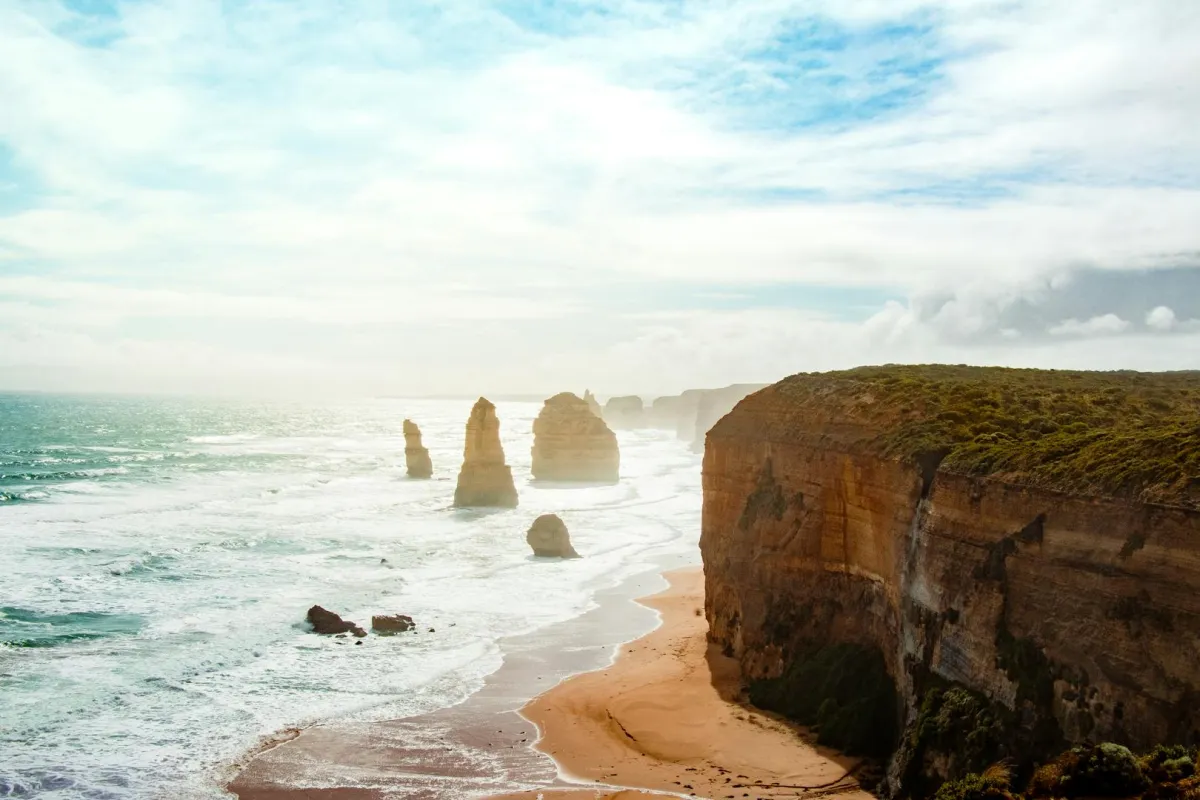
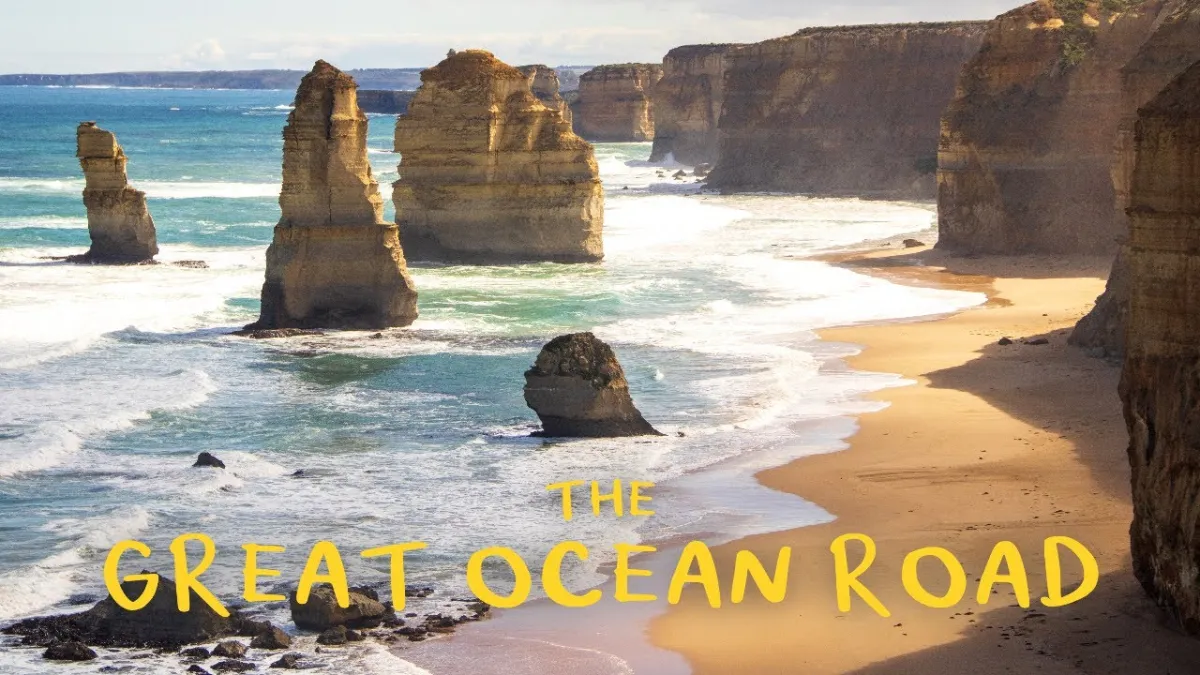
- The Twelve Apostles and Port Campbell National Park — always open, far less crowded, dramatic in winter light
- Grampians National Park — excellent winter hiking, waterfalls at their best
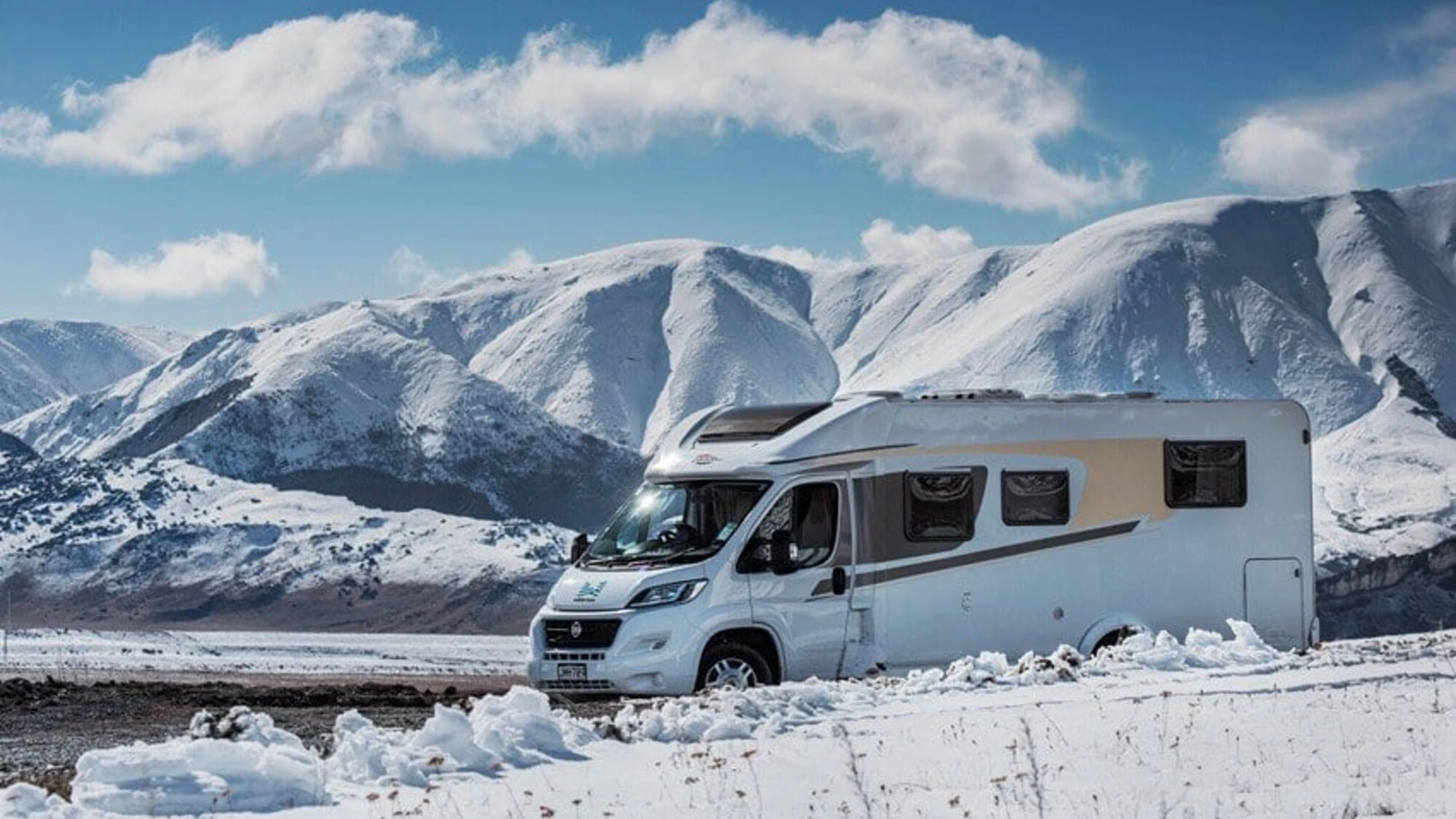
- Bright and the Alpine valleys — ski season brings life to the towns, and the drive up to Mount Hotham is stunning (snow chains may be required — check conditions)
- Phillip Island — penguin parade runs every night of the year
- Most major towns along any route — cafés, pubs, supermarkets, fuel stops all operate normally
The best winter routes from Melbourne
Great Ocean Road (Melbourne to Warrnambool, ~300 km): The classic, and genuinely good in winter. Fewer caravans, moody ocean, green Otways. Allow 4–5 days minimum to do it properly. If you want to keep going west, the Melbourne to Adelaide one-way route via the Great Ocean Road is one of the best value winter trips you can do — one-way hire fees are often waived or reduced in winter when operators need vehicles repositioned.
Grampians loop (Melbourne to Halls Gap and back, ~500 km round trip): A long weekend works well. Halls Gap is a proper town with year-round services. The Pinnacle walk and Mackenzie Falls are both accessible in winter.
High Country (Melbourne to Bright via Yarra Valley, ~300 km): Best in late July–August when the alpine ash forests are stark and beautiful. If you're coming from Sydney first, the Sydney to Melbourne one-way campervan guide covers how to structure that leg before heading into the High Country.
Choosing the right operator for a winter trip
Not all campervans are equal when temperatures drop. Here's a quick operator-level summary for winter suitability:
- Maui / Star RV: Best heating, most comfortable for cold nights. Higher daily rate but worth it if you're travelling in alpine areas.
- Apollo / Britz: Good mid-range option. Euro Camper and Frontier models have proper diesel heating. Check the specific model.
- Lets Go / Camperman: Decent mid-range, worth checking heating specs per vehicle.
- Travellers Autobarn: Popular with backpackers, some models have gas heating. Good value. See how they compare in the Travellers Autobarn vs Jucy comparison.
- Jucy / Mighty / Cheapa Campa: Budget-friendly, but heating is often limited to powered sites. Fine if you plan your route around commercial parks.
For a full breakdown of Melbourne pickup depots, what's included in hire costs, and what to watch for in the fine print, the Melbourne depots, costs and what to know first guide covers it in detail. And if you're picking up at the airport, the Melbourne Airport campervan pickup guide has everything you need for a smooth start.
Is it actually worth it?
Yes — with the right vehicle and realistic expectations. Winter campervan hire from Melbourne suits people who want quieter parks, lower costs, and landscapes that look genuinely different to the summer postcard version. It's not for anyone who needs beach weather or wants every attraction open.
The non-negotiables: book a van with proper off-grid heating if you're heading anywhere inland or elevated, check powered site availability along your route before you leave, and verify that the specific parks and attractions you want to visit are open in June, July, or August.
If you're thinking about a longer trip — say, a month or more — winter is actually one of the better times to negotiate on rate. The long-term campervan hire guide covers how pricing and contracts work for extended trips. And for a full overview of Melbourne hire options across all seasons, the Melbourne campervan hire comparison guide is a good starting point before you book.
Planning your trip?
Compare campervan & motorhome hire prices across Australia: