Why Long-Term Campervan Hire in New Zealand Makes Sense
New Zealand is one of the few places in the world where living out of a campervan for a month or more is genuinely practical — and genuinely enjoyable. The country is compact enough to cover thoroughly (the South Island is roughly 1,500 kilometres tip to tip), the freedom camping network is extensive, and the cost of staying in a van often undercuts hotels and short-term rentals by a significant margin once you factor in accommodation savings.
But long term campervan hire in New Zealand works differently to booking a week over Christmas. Pricing structures change, operator policies vary, and there are certification requirements that matter a lot if you plan to use free campsites. This guide breaks all of that down so you can plan your trip with realistic numbers and no nasty surprises.
How Monthly Pricing Actually Works
Most operators in New Zealand price campervans by the day, but they apply tiered discounts as your hire period extends. The thresholds vary by company, but a common structure looks like this:
- 1–6 days: peak daily rate, no discount
- 7–13 days: small reduction, typically 5–10%
- 14–20 days: moderate reduction, often 10–20%
- 21+ days: the best per-day rate, sometimes 25–35% below the peak daily price
There is rarely a flat "monthly rate" published on a booking page. What you are actually getting is a compounding daily discount applied across 28–31 days. This means the total cost for a month can look large in absolute terms, but the per-day figure is often very reasonable — particularly if you are replacing nightly accommodation costs at the same time.
For a fuller breakdown of what you can expect to pay across different vehicle categories, the How Much Does Campervan Hire Cost in New Zealand? (2026 Price Guide) is worth reading before you start comparing quotes.
Indicative Monthly Rate Ranges by Vehicle Type
The figures below are indicative ranges in Australian dollars, based on typical long-stay pricing outside of peak summer. Actual quotes will vary by operator, pickup location, and travel dates. Always get a direct quote and compare across multiple companies.
| Vehicle Type | Typical Daily Rate (21+ days) | Indicative Monthly Total (AUD) | Sleeps |
|---|---|---|---|
| 2-berth campervan (basic) | AUD $65–$95/day | AUD $1,950–$2,850 | 2 |
| 2-berth campervan (mid-range) | AUD $90–$130/day | AUD $2,700–$3,900 | 2 |
| 4-berth campervan | AUD $110–$160/day | AUD $3,300–$4,800 | 4 |
| 4-berth motorhome (large) | AUD $140–$200/day | AUD $4,200–$6,000 | 4–6 |
| Campervan (budget/backpacker) | AUD $45–$70/day | AUD $1,350–$2,100 | 2 |
These totals cover the vehicle hire only. You will need to budget separately for fuel (petrol and diesel prices in New Zealand fluctuate but plan for roughly NZD $2.20–$2.60 per litre), campsite fees, insurance excess reduction, and any one-way drop-off fees if you are not returning to your pickup city.
Seasonality: When You Book Changes Everything
New Zealand's peak hire season runs from late November through to the end of February, driven by the Southern Hemisphere summer and the school holiday period. During this window, daily rates are at their highest and availability for long-stay bookings tightens considerably — particularly for popular 4-berth vehicles.
If you have flexibility, the shoulder seasons (March–April and September–October) offer the best combination of reasonable weather and meaningfully lower rates. A month-long hire in April can cost 20–30% less than the same vehicle in January. The South Island in autumn is genuinely spectacular — the beech forests around Queenstown and the Haast Pass turn gold and red, and the roads are far quieter.
Winter (June–August) is the cheapest time to hire, and operators are often willing to negotiate on longer bookings. The North Island remains very driveable year-round, and places like the Coromandel Peninsula, Northland, and the Hawke's Bay wine region are pleasant even in cooler months. The South Island alpine passes can be challenging in winter, so factor that into your route planning.
For a month-by-month breakdown of conditions and pricing across the country, see The Best Time to Hire a Campervan in New Zealand (Month-by-Month).
Which Operators Are Worth Considering for Long Stays
Not every company is equally well set up for extended hire. Here is a practical rundown of the main players and how they tend to perform for longer bookings.
Apollo and Cheapa Campa
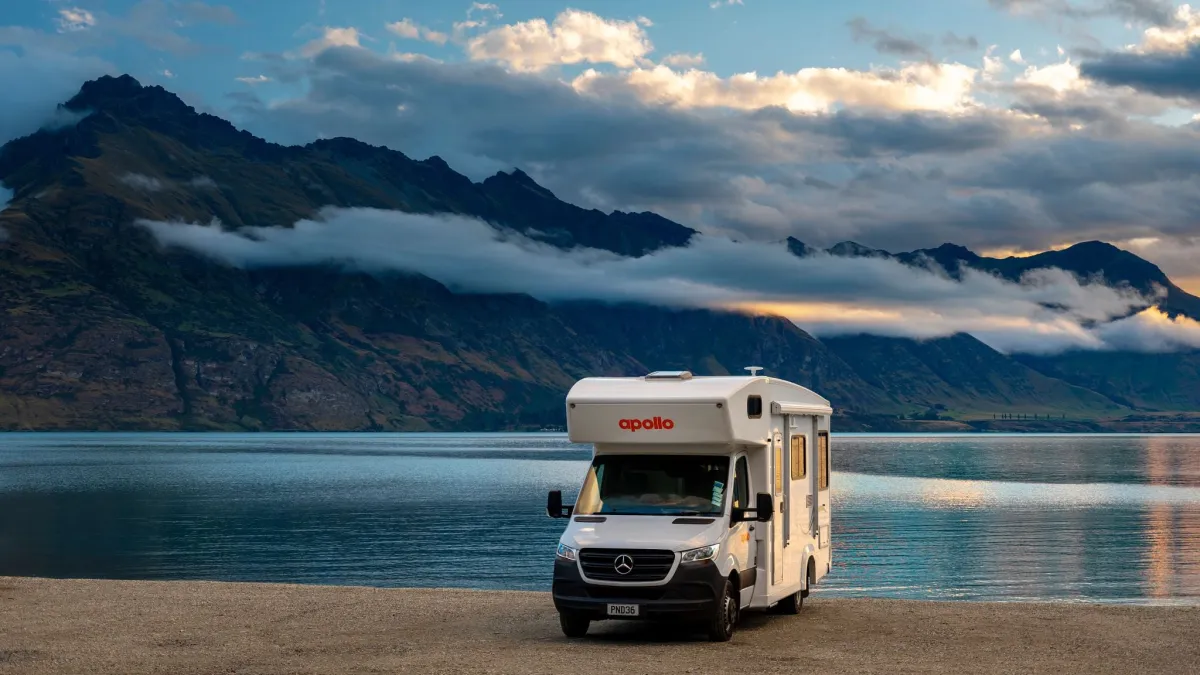
Apollo operates the Cheapa Campa brand for budget-conscious travellers and the Apollo brand for mid-range vehicles. Both offer solid long-stay discounts and have depots in Auckland, Christchurch, and Queenstown. Cheapa Campa is worth a look if you want a self-contained van at a lower price point — the vehicles are older but functional.
Britz and Maui
Both are owned by the same parent company (Tourism Holdings Limited) and share a fleet. Maui sits at the premium end with newer, well-equipped motorhomes. Britz is the mid-range option. For a month-long trip, Britz often hits the sweet spot between comfort and cost. Their 4-berth Venturer is a popular choice for couples who want a bit of extra space.
Jucy
Jucy is strong on the budget and backpacker end, with their compact 2-berth Condo being a recognisable sight on New Zealand roads. They are competitive on price for long stays and have a good network of depots. The vehicles are smaller, which suits solo travellers or couples who travel light.
Travellers Autobarn
A solid option for working holidaymakers and longer-term travellers. Travellers Autobarn has a reputation for straightforward pricing and flexible policies, and they cater well to people doing extended trips rather than quick holidays.
Mighty and Camperman
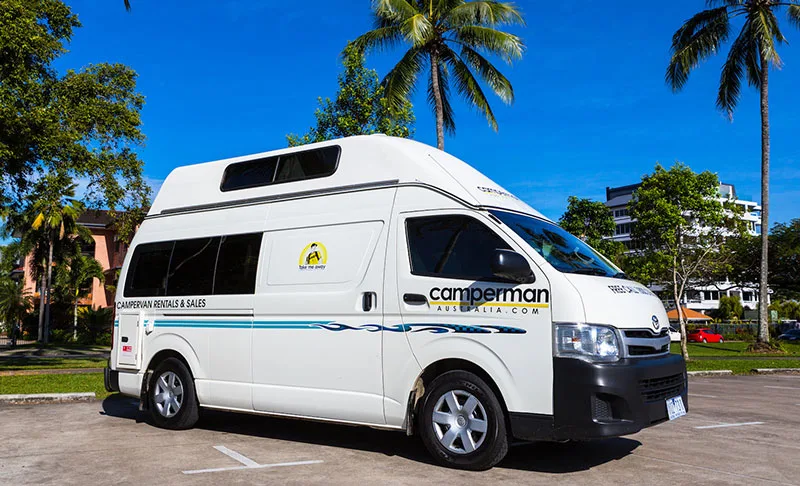
Mighty (also part of the THL group) offers good value mid-range vehicles. Camperman is a smaller operator that can be competitive on price, particularly for longer bookings where there is more room to negotiate.
Star RV and Lets Go
Star RV targets the premium motorhome market — think larger vehicles with more amenities, suited to travellers who want a comfortable base for an extended stay. Lets Go is a budget-focused brand with a straightforward offering. Both are worth including in any comparison.
Running quotes across multiple operators side by side saves a lot of time. You can do that through CamperCompare, which pulls together options from the major operators so you can see the differences in pricing and inclusions without visiting a dozen separate websites.
Self-Contained Certification: Essential for Long Stays
This is the single most important practical consideration for anyone planning a month or more on the road in New Zealand, and it is frequently overlooked by first-time visitors.
Under New Zealand's Freedom Camping Act, you can only freedom camp (i.e., stay overnight outside of a designated campsite, for free) in a self-contained vehicle. A self-contained vehicle must have a toilet, a grey water holding tank, a fresh water supply, and a waste water system that meets the NZS 5465 standard. Vehicles that meet this standard carry a blue and white self-containment certificate sticker.
If your van is not self-contained, you are restricted to paid holiday parks and designated campgrounds. That is perfectly fine for a short trip, but for a month-long journey it adds up fast — holiday park fees in New Zealand typically run NZD $35–$65 per night for two people. Over 30 nights, that is NZD $1,050–$1,950 in accommodation costs on top of your hire fee.
A self-contained van opens up the Department of Conservation (DOC) network, council freedom camping areas, and thousands of spots along the coast, in the mountains, and beside rivers that are simply not accessible to non-self-contained vehicles. For a long stay, it is worth paying a little more per day to get a certified vehicle.
When you request a quote, always confirm in writing that the vehicle holds a current self-containment certificate. Do not assume — ask specifically.
One-Way Hires and Relocation Deals
If you are doing a long trip and do not want to double back, a one-way hire between Auckland and Christchurch (or vice versa) is a logical option. Most major operators allow this, though they charge a one-way fee that varies by company and season — typically NZD $200–$500.
Relocation deals are a different matter entirely. When operators need to reposition vehicles between depots, they offer them at heavily discounted rates — sometimes as low as NZD $1 per day — in exchange for you driving a specific route within a set timeframe. These are not suitable for a leisurely month-long trip (the timeframes are tight), but they can be a useful way to reposition yourself mid-journey. For more on how these work, see One-Way Campervan Hire in New Zealand: Relocations & Save Big.
What to Watch Out For
Insurance excess: Standard excess on New Zealand campervan hire can be NZD $3,000–$7,500. Over a month, the daily cost of reducing that excess to zero or near-zero (typically NZD $25–$45/day) is worth considering. Third-party excess reduction products are available but check the fine print carefully.
Kilometre limits: Some operators cap daily kilometres at 100–200km per day on long-stay bookings. If you are planning to cover serious ground — say, driving the full length of both islands — confirm there is no cap, or that the cap suits your itinerary.
Minimum hire periods: During peak season, some operators impose minimum hire periods of 5–7 days. This rarely affects month-long bookings, but it is worth checking if your dates straddle a peak period.
Generator and solar: For extended off-grid stays, check whether the vehicle has solar panels or a generator. Running the fridge and charging devices without hookup power is a real consideration over a month.
Comparing Your Options
The best approach for a long-stay booking is to get quotes from at least four or five operators, compare the per-day rate at your specific hire length, and then look carefully at what is included — insurance excess, kilometre allowance, self-containment status, and pickup/drop-off locations. You can use CamperCompare to run those comparisons in one place rather than working through each operator's website individually.
If you are also considering a long-term hire in Australia — either before or after your New Zealand trip — the Long-Term Campervan Hire Australia: 1 to 12 Month Guide covers the Australian market in similar detail, and How Much Does Long-Term Campervan Hire Cost in Australia? gives you the pricing context for a trans-Tasman comparison.
For a broader overview of the New Zealand hire market before you commit to a long-stay booking, the Campervan Hire New Zealand: The Complete 2026 Guide to Prices, Brands & Routes is a solid starting point.
Planning your trip?
Compare campervan & motorhome hire prices across New Zealand: