Why Hire a Motorhome in Australia?
Australia is one of the few places on earth where hiring a motorhome genuinely makes sense as a primary travel strategy — not just a novelty. The distances are real (Sydney to Cairns is roughly 2,800 kilometres by road), the caravan parks are plentiful and well-maintained, and the freedom to change your itinerary without rebooking hotels is worth a lot when you're covering serious ground.
That said, motorhomes for rent in Australia come in a wide range of sizes, ages, and price points, and picking the wrong one can turn a great trip into an expensive headache. This guide cuts through the noise so you can make a confident decision.
Motorhome vs Campervan: What's the Difference?
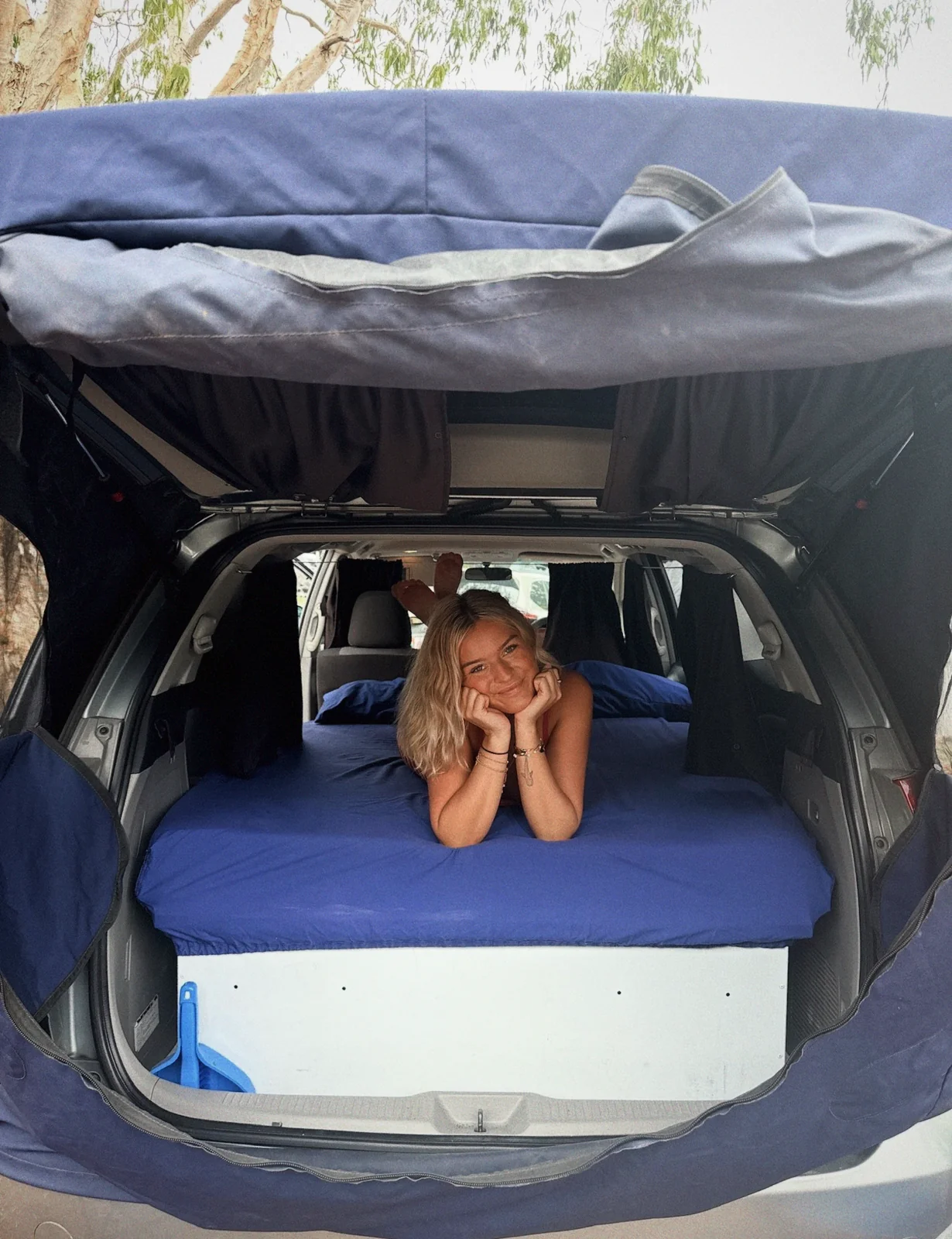
The terms get used interchangeably, but there's a practical distinction worth knowing. A campervan is typically a converted van — think a Toyota HiAce or Mercedes Sprinter — where the cab and living area share one continuous space. A motorhome (sometimes called an RV or motorhome coach) is a larger, purpose-built vehicle with a proper over-cab or low-profile body, a separate or semi-separate bedroom, a full kitchen, and a bathroom with toilet and shower.
If you're travelling as a couple for two weeks and want to keep costs down, a campervan often does the job. If you're travelling with kids, doing a month-long lap, or simply want to feel like you're sleeping in a real bed rather than a converted shelf, a motorhome is worth the extra spend.
Vehicle Classes and What They Actually Cost
Australian hire operators generally sort their fleet into three broad tiers. Prices below are indicative daily rates for peak season (December–January and school holidays); shoulder season can be 20–40% cheaper.
| Class | Typical berths | Indicative daily rate (AUD) | Best for |
|---|---|---|---|
| Budget campervan (2-berth) | 2 | $80–$130 | Couples, short trips, tight budgets |
| Mid-range campervan (2–4 berth) | 2–4 | $130–$200 | Couples or small families wanting more comfort |
| Entry motorhome (4-berth) | 4 | $180–$260 | Families, longer trips, first-time hirers |
| Mid motorhome (4–6 berth) | 4–6 | $240–$340 | Families, groups, extended travel |
| Premium / luxury motorhome | 2–6 | $340–$550+ | Comfort-focused travellers, special occasions |
These rates typically exclude insurance excess reduction, one-way fees, generator hire, and camping equipment packs — all of which add up. Budget an extra $30–$60 per day for a realistic all-in figure once you factor in those extras.
The Main Operators and How They Compare
Australia has a healthy mix of large fleet operators and smaller independents. Here's a quick rundown of the major names you'll encounter:
- Apollo — One of Australia's largest operators with depots in every major city. Solid mid-range fleet, reliable vehicles, good one-way options.
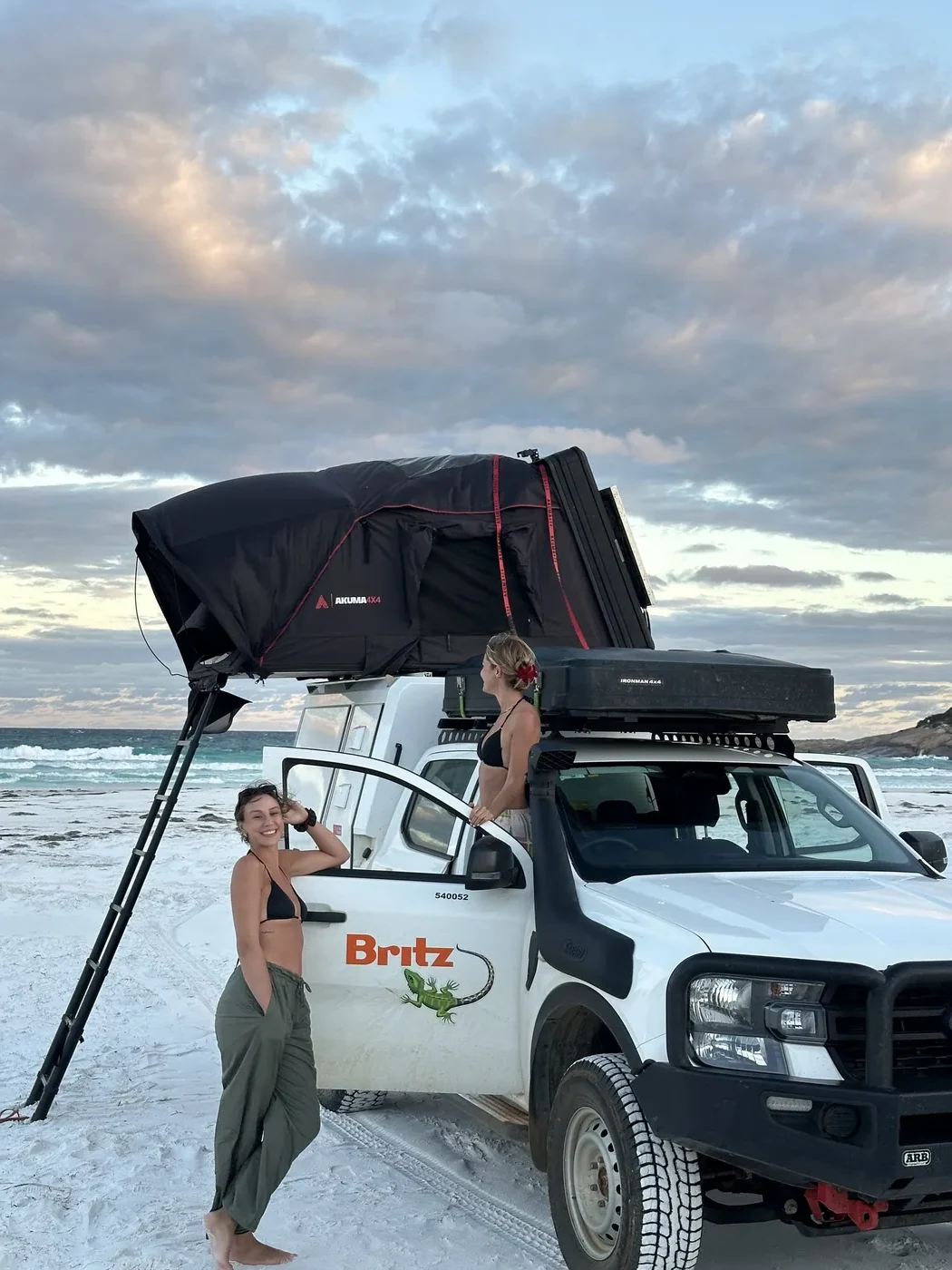
- Britz — Part of the Tourism Holdings group. Known for well-equipped campervans and motorhomes, strong in the 4WD camper space.
- Maui — The premium arm of Tourism Holdings. Newer vehicles, higher spec interiors, higher price point.
- Mighty — Budget-friendly sibling to Maui. Older fleet, lower daily rates, good for cost-conscious travellers. See our Apollo vs Mighty comparison if you're weighing those two up.
- Jucy — Bright green, compact, and genuinely affordable. Popular with younger travellers and couples doing shorter trips.
- Travellers Autobarn — Strong on budget campervans, particularly popular with backpackers and working holiday makers.
- Camperman — Australian-owned, good value, solid reputation for customer service.
- Cheapa Campa — As the name suggests, positioned at the budget end. Older vehicles but well-maintained and a good option if price is the priority.
- Star RV — Premium motorhomes, newer fleet, strong for families wanting space and reliability.
- Lets Go — Queensland-based operator with a good range of motorhomes and campervans, particularly strong for east coast trips.
Rather than visiting each operator's website separately, you can compare availability, vehicle specs, and pricing across most of these operators in one place at CamperCompare.
One-Way Hire: The Logistics You Need to Know
One-way hire — picking up in Sydney and dropping off in Cairns, for example — is one of the great advantages of motorhome travel. You're not retracing your steps, and you can fly home from wherever the road takes you.
The catch is the one-way fee, which varies by operator and route. Popular relocation routes (Brisbane to Cairns, Melbourne to Sydney) sometimes attract low or zero one-way fees because operators need vehicles repositioned. Less popular routes can add $300–$600 or more to your total cost. Always ask about one-way fees upfront and factor them into your comparison.
Minimum hire periods also apply on one-way bookings — typically five to seven days, sometimes longer in peak season.
The Best Routes for a Motorhome Hire in Australia
Australia's road network suits motorhome travel well, but some routes are genuinely better than others for this style of travel.
East Coast: Brisbane to Cairns
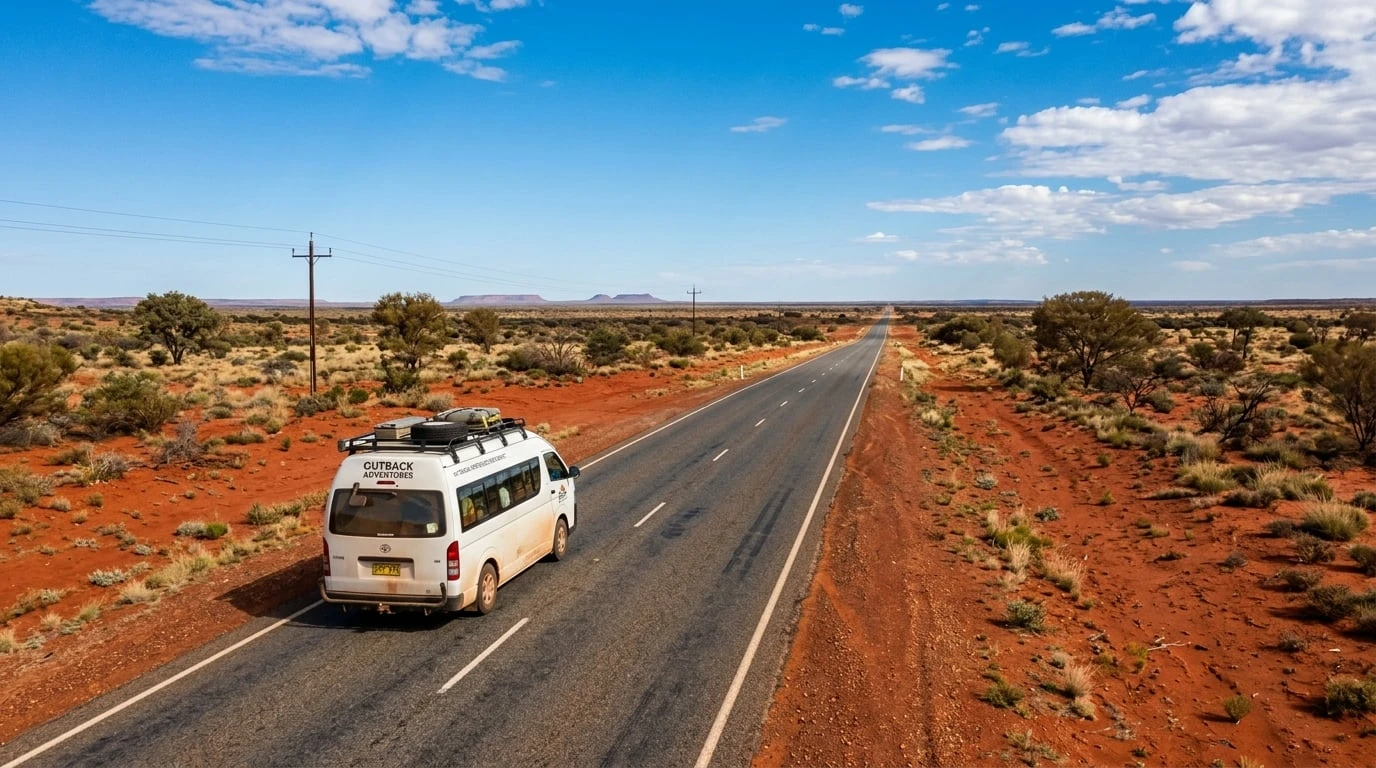
The classic. Around 1,700 kilometres of highway with excellent caravan park infrastructure, beach access, and plenty of stopping points — Fraser Island (now Kgari), the Whitsundays, Mission Beach, and the Daintree. Allow at least 14 days to do it properly. Read our detailed Brisbane to Cairns campervan road trip guide for a full breakdown.
Great Ocean Road: Adelaide to Melbourne
One of Australia's most scenic drives, and very manageable in a motorhome. The road itself is narrow in sections — if you're in a large 6-berth, take it slowly around the tighter coastal bends. Lorne, Apollo Bay, Port Campbell, and Warrnambool are all well set up for overnight stays. Our Adelaide to Melbourne via the Great Ocean Road guide covers the route in detail.
Western Australia: Perth and Beyond
The west coast from Perth to Broome (roughly 2,200 kilometres) is spectacular and increasingly popular. The Kimberley region beyond Broome is genuinely remote — if you're heading off sealed roads, you'll need a 4WD-capable vehicle and the right insurance. Our Western Australia 4WD hire guide is worth reading before you commit to a vehicle class.
Queensland Departures: Brisbane
Brisbane is one of Australia's busiest motorhome hire hubs, with depots for most major operators. If you're starting your trip there, our RV rental Brisbane guide covers depot locations, what to check at pickup, and how to get the most out of the city before you hit the road.
Practical Gotchas to Watch Before You Book
These are the things that catch first-time hirers out:
- Insurance excess: Standard excess on most motorhomes runs from $3,000 to $7,500. Excess reduction packages bring this down to $0–$1,500 for an additional $25–$60 per day. It's usually worth it.
- Age restrictions: Most operators require drivers to be at least 21, and some premium vehicles require 25+. Drivers over 75 may also face restrictions — check the fine print.
- Kilometre limits: Many hire agreements include a daily kilometre allowance (often 100–200 km/day). Excess kilometres are charged at $0.20–$0.35 per km. If you're covering big distances, look for unlimited kilometre deals.
- Fuel type: Most larger motorhomes run on diesel. Fill up before returning — operators charge a premium for refuelling.
- Tyre damage: Tyre and windscreen damage is often excluded from standard insurance. Check whether your excess reduction package covers these.
- Generator use: Many campervans and motorhomes have a generator for off-grid power. There's usually a hire fee ($5–$15/day) and restrictions on when you can run it (typically not between 10pm and 7am in caravan parks).
- Blackout dates: Some operators restrict one-way hires or apply surcharges over Christmas and Easter. Book early for these periods.
Is Hiring Actually Worth It vs Buying?
If you're doing one or two trips a year totalling less than six weeks, hiring almost always makes more financial sense than buying. You avoid registration, insurance, maintenance, storage, and depreciation costs. If you're planning to travel for three months or more, the maths starts to shift — our guide on renting vs buying a campervan in Australia works through the numbers in detail so you can make an informed call.
How to Get the Best Deal on Motorhomes for Rent
A few practical strategies that actually work:
- Book shoulder season where possible. March–May and September–November offer significantly lower daily rates and fewer crowds at popular sites.
- Look for relocation specials. Operators regularly offer heavily discounted rates (sometimes as low as $1/day) for vehicles that need repositioning between depots. These have fixed pickup and drop-off points and tight timeframes, but if your dates are flexible, they're excellent value.
- Compare across operators. The same route and dates can vary by $50–$100 per day between operators for a comparable vehicle. Use a comparison tool like CamperCompare to see options side by side rather than clicking through six different websites.
- Hire for longer. Most operators offer better daily rates for bookings of 14 days or more. If you're on the fence between 10 and 14 days, the longer booking often costs less per day and gives you more flexibility on the road.
- Check what's included in the kit. Some operators include linen, kitchen equipment, and camp chairs. Others charge separately. A vehicle that looks $20/day cheaper might cost more once you add the equipment pack.
What to Check at Vehicle Pickup
Don't rush the handover. Walk around the vehicle with the operator and photograph every existing scratch, dent, and scuff before you drive away. Check that the water tank fills, the gas works, the fridge cools, and the toilet flushes. Test the slide-out (if there is one) and make sure you understand how to empty the grey and black water tanks — it's not complicated, but you don't want to figure it out at a dump point in the dark.
Ask the operator to show you how to connect to powered sites, run the generator, and operate the awning. Most operators do a thorough handover, but it's worth asking questions rather than assuming.
Planning your trip?
Compare campervan & motorhome hire prices across Australia: