Why a 6 Berth Campervan Makes Sense for Groups and Families
Splitting a 6 berth campervan hire between two families or a group of friends is one of the most cost-effective ways to travel Australia. When you divide the daily hire rate, fuel, and campsite fees across five or six people, the per-person cost often undercuts flights, hotels, and car hire combined — especially on longer trips of two weeks or more.
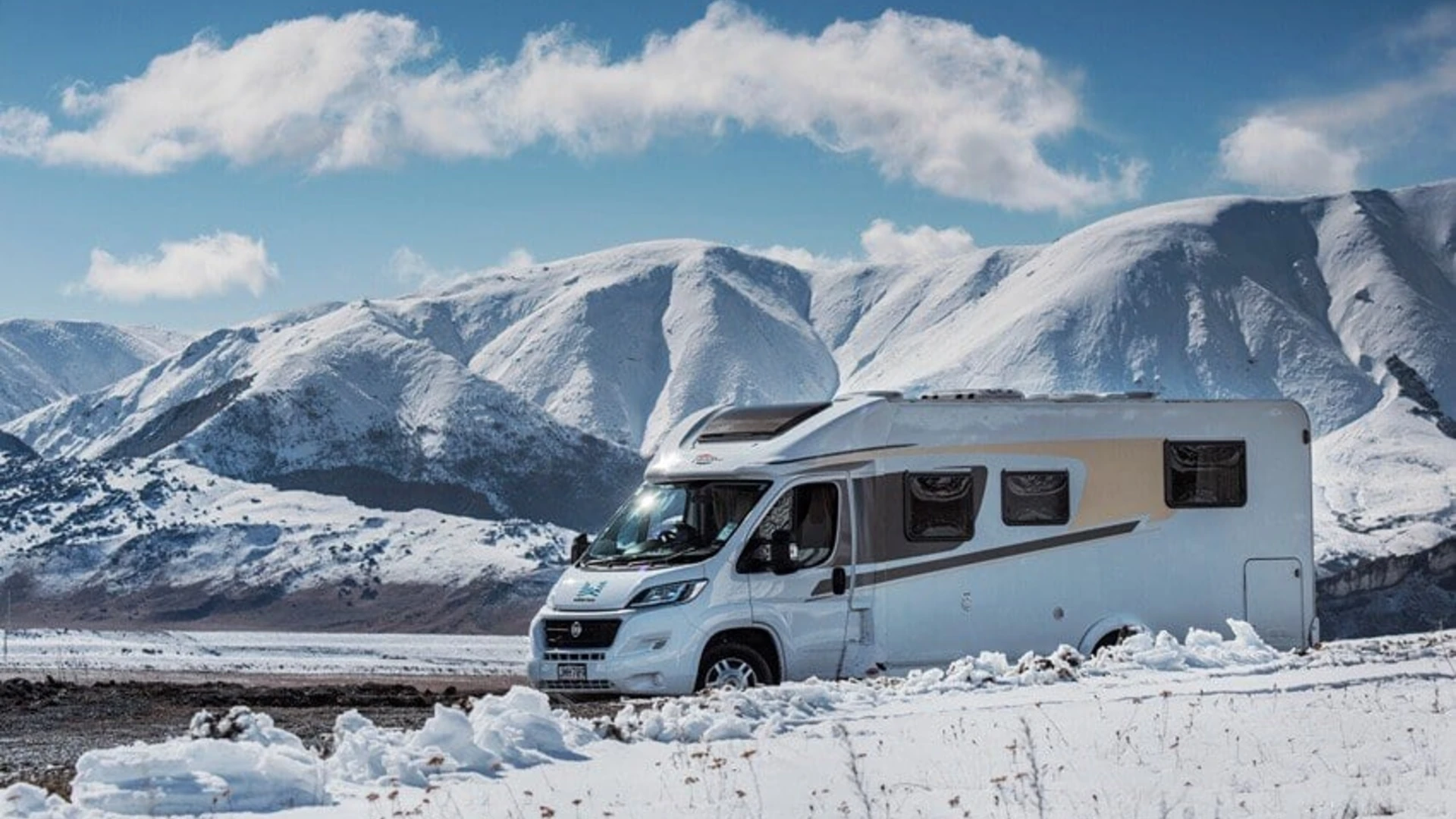
That said, a 6 berth vehicle is a serious piece of kit. These are large motorhomes, typically 7 to 8 metres long, and they drive and park very differently from a car. Before you commit, it's worth understanding exactly what you're getting into — the vehicles, the costs, the operators, and the routes that actually suit a big rig.
What Does "6 Berth" Actually Mean?
A berth is a sleeping position, not necessarily a bed. In most 6 berth campervans available in Australia, the sleeping layout works something like this:
- Fixed rear double or queen bed — usually the most comfortable, often elevated over a garage storage area
- Dinette conversion — the dining table and seats fold flat to create a double or two singles
- Overcab bunk or drop-down bed — a bed above the cab, accessed by a ladder, best suited to children or lighter adults
In practice, six adults sleeping comfortably in one of these vehicles is tight. Most operators are honest that 6 berth suits two adults and up to four children, or three couples who don't mind cosy quarters. If you're travelling with six adults who all want a decent night's sleep, consider whether a 4 berth plus a separate smaller van might actually work better.
Also check whether the vehicle has a fixed toilet and shower or just a portable toilet. Larger motorhomes from operators like Maui, Apollo, and Star RV typically include a full ensuite bathroom. Budget-tier vehicles from Cheapa Campa or Mighty may have a combined shower-toilet room that's functional but compact.
The Main Operators and What They Offer
Australia has a solid range of operators running 6 berth vehicles. Here's a quick breakdown of who's in the market and what tier they sit in:
| Operator | Vehicle Example | Tier | Typical Daily Rate (indicative) |
|---|---|---|---|
| Maui | Maui Cascade | Premium | $350–$550/day |
| Apollo | Apollo Endeavour | Mid–Premium | $280–$480/day |
| Britz | Britz Frontier | Mid | $250–$420/day |
| Star RV | Star RV Capricorn | Premium | $320–$520/day |
| Mighty | Mighty Big Six | Budget–Mid | $180–$320/day |
| Cheapa Campa | Cheapa 6 Berth | Budget | $150–$280/day |
| Camperman | Camperman Big Bunk | Budget–Mid | $160–$290/day |
| Lets Go | Lets Go 6 Berth | Mid | $200–$350/day |
Rates above are indicative and vary significantly by season, pickup location, and how far in advance you book. Peak school holiday periods — particularly January, Easter, and July — push prices toward the top of those ranges or beyond. Shoulder season (April–May and September–October) is where you'll find the best value. You can compare live availability across these operators at CamperCompare, which pulls quotes side by side so you're not jumping between a dozen different booking sites.
If you're starting your trip from Queensland, it's also worth reading our guide on Cheap Campervan Hire Brisbane: Best Value Months & Brands — the timing advice there applies directly to 6 berth bookings too.
One-Way vs Return Hire: What Works for Six People
One-way hire is popular with groups doing the east coast — picking up in Cairns and dropping off in Sydney or Melbourne, or vice versa. It suits a 6 berth trip well because you're covering serious distance and the vehicle earns its keep every night.
The catch is the one-way fee. Operators charge a relocation fee that can range from $200 to $600 or more depending on the route and direction. Sydney to Cairns (northbound) is typically cheaper than Cairns to Sydney because operators need vehicles repositioned south. Our detailed breakdown of the One-Way Campervan Hire: Cairns to Sydney Full East Coast route covers distances, campsite costs, and what to budget for the full trip.
For a return trip, the Northern Territory loop (Darwin to Darwin via Kakadu, Katherine, and the Red Centre) is a classic for 6 berth vehicles — you're covering around 3,000 kilometres over two to three weeks, and the campsite infrastructure is well set up for larger motorhomes.
Pickup Locations: Where to Start
Most major operators have depots in Sydney, Melbourne, Brisbane, Cairns, Darwin, Adelaide, and Perth. Not every depot stocks 6 berth vehicles, so confirm availability at your preferred location before you get too far into planning.
- Sydney and Melbourne have the widest fleet availability and the most competitive pricing due to volume. See our tips on Cheapest Campervan Hire Melbourne: How to Save Big in 2026 for strategies that apply to larger vehicles too.
- Cairns is a popular starting point for the east coast run north-to-south. Check our Campervan Hire Cairns Airport: Pickup Guide, Costs & Operators for depot locations and transfer logistics.
- Perth has good availability for the southwest loop (Margaret River, Albany, Esperance), though the fleet is smaller than east coast depots. Our Campervan Hire Perth Airport: Complete Pickup Guide 2026 covers the practicalities of picking up a large vehicle there.
- Devonport is the gateway for Tasmania, and yes, 6 berth motorhomes do cross on the Spirit of Tasmania — though you'll need to book vehicle space well in advance and check height and length restrictions with the ferry operator. Our Campervan Hire Devonport: Your Tasmania Gateway Guide 2026 has the full rundown.
What a 6 Berth Campervan Actually Costs: The Full Picture
The daily hire rate is just the starting point. Here's what a realistic two-week trip budget looks like for a group of six:
- Hire rate: $250–$420/day × 14 days = $3,500–$5,880
- Insurance/liability reduction: $30–$60/day (standard excess is often $5,000–$7,500; reducing it costs extra)
- Fuel: 6 berth motorhomes typically consume 14–18 litres per 100km. At current diesel prices around $2.00–$2.20/litre, budget roughly $280–$400 per 1,000km driven
- Campsites: Powered sites for a large vehicle run $45–$75/night at commercial parks; free camping is possible but large motorhomes are excluded from many rest areas
- One-way fee (if applicable): $200–$600
- Bedding and linen pack: $50–$120 if not included (some operators include it, many don't)
- Generator hire or solar: Some 6 berth vehicles have solar panels; others need a generator for off-grid power — check before you book
Split six ways, even a mid-range two-week trip often comes in under $1,200 per person all-in, which is genuinely competitive against other travel options for a group that size.
For more strategies on keeping costs down across the board, our guide on Go Cheap Campervans: How to Hire Smart in Australia is worth a read before you finalise your booking.
Practical Gotchas to Know Before You Pick Up
Driver age and licence restrictions. Most operators require the primary driver to be at least 21, and some charge a young driver surcharge for anyone under 25. All drivers must be listed on the hire agreement and hold a valid licence — international licences are accepted but must be accompanied by an English translation if not in English.
Additional driver fees. Expect $5–$15 per day per extra driver. On a two-week trip with two drivers sharing the load, that adds up.
Height and width clearances. A 6 berth motorhome is typically 3.0–3.5 metres tall and around 2.3 metres wide. Multi-storey car parks, some drive-throughs, and low-clearance bridges are off-limits. In cities, plan your route and parking in advance.
Unsealed road restrictions. Most operators prohibit 6 berth vehicles on unsealed roads, which rules out a lot of outback tracks. The Gibb River Road, Cape York, and similar routes are generally off-limits. Check the hire agreement carefully if your itinerary includes gravel.
Campsite bookings. Large motorhomes need powered sites at most commercial parks, and peak season sites book out months in advance. Don't assume you'll find a spot on arrival in January at Airlie Beach or the Whitsundays.
Fuel type. Most 6 berth motorhomes run on diesel. Putting petrol in a diesel engine is an expensive mistake — operators will charge you for the repair and tow.
Best Routes for a 6 Berth Motorhome
Not every Australian road suits a large motorhome. These routes work well:
- East Coast: Brisbane to Cairns (or reverse) — approximately 1,700km via the Bruce Highway. Well-sealed, good campsite infrastructure, and plenty of highlights: Noosa, the Whitsundays, Mission Beach, and the Atherton Tablelands.
- The Red Centre Loop: Alice Springs — Uluru, Kings Canyon, and back. Around 1,100km on sealed roads. Stunning, but book campsites at Yulara well ahead — it's a small town with limited powered sites.
- Southwest WA: Perth to Albany and back — approximately 1,200km return. Margaret River wine region, the karri forests near Pemberton, and the dramatic coastline around Albany. Manageable roads and good campsite options.
- Top End: Darwin to Katherine and Kakadu — around 600km return but worth taking slowly. Kakadu National Park has excellent campsite facilities for larger vehicles at Cooinda and Jabiru.
How to Book Smart
Book as early as you can for peak periods — 6 berth vehicles are the first to sell out because there are fewer of them in each fleet. Shoulder season bookings (April–May, September–October) give you more flexibility and meaningfully lower rates. If you're flexible on dates, use CamperCompare to scan across operators and see where the pricing gaps are — sometimes shifting your pickup by two or three days drops the rate considerably. Our How to Get the Cheapest Campervan Hire in Australia & NZ (2026 Guide) covers the best sale periods and how to time your booking for maximum savings.
Always read the full hire agreement before you sign, and photograph every existing scratch and dent at pickup — large vehicles have a lot of surface area, and disputes over pre-existing damage are common.
Planning your trip?
Compare campervan & motorhome hire prices across Australia: