Why Drive a Campervan from Cairns to Cape Tribulation?
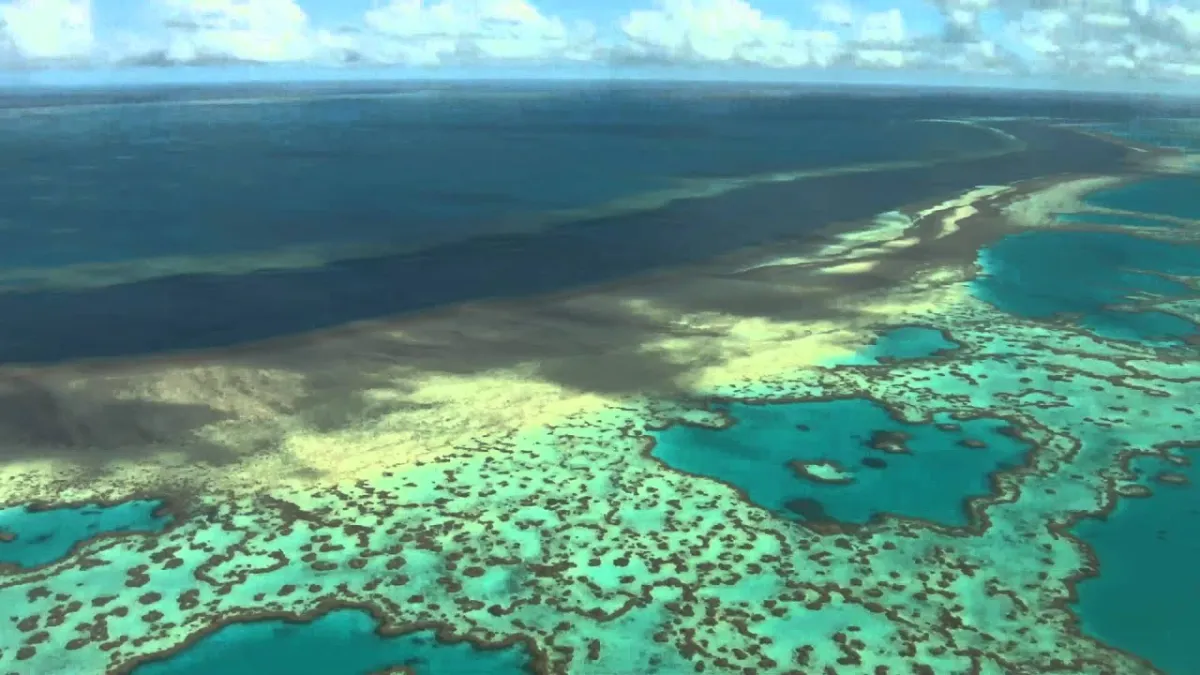
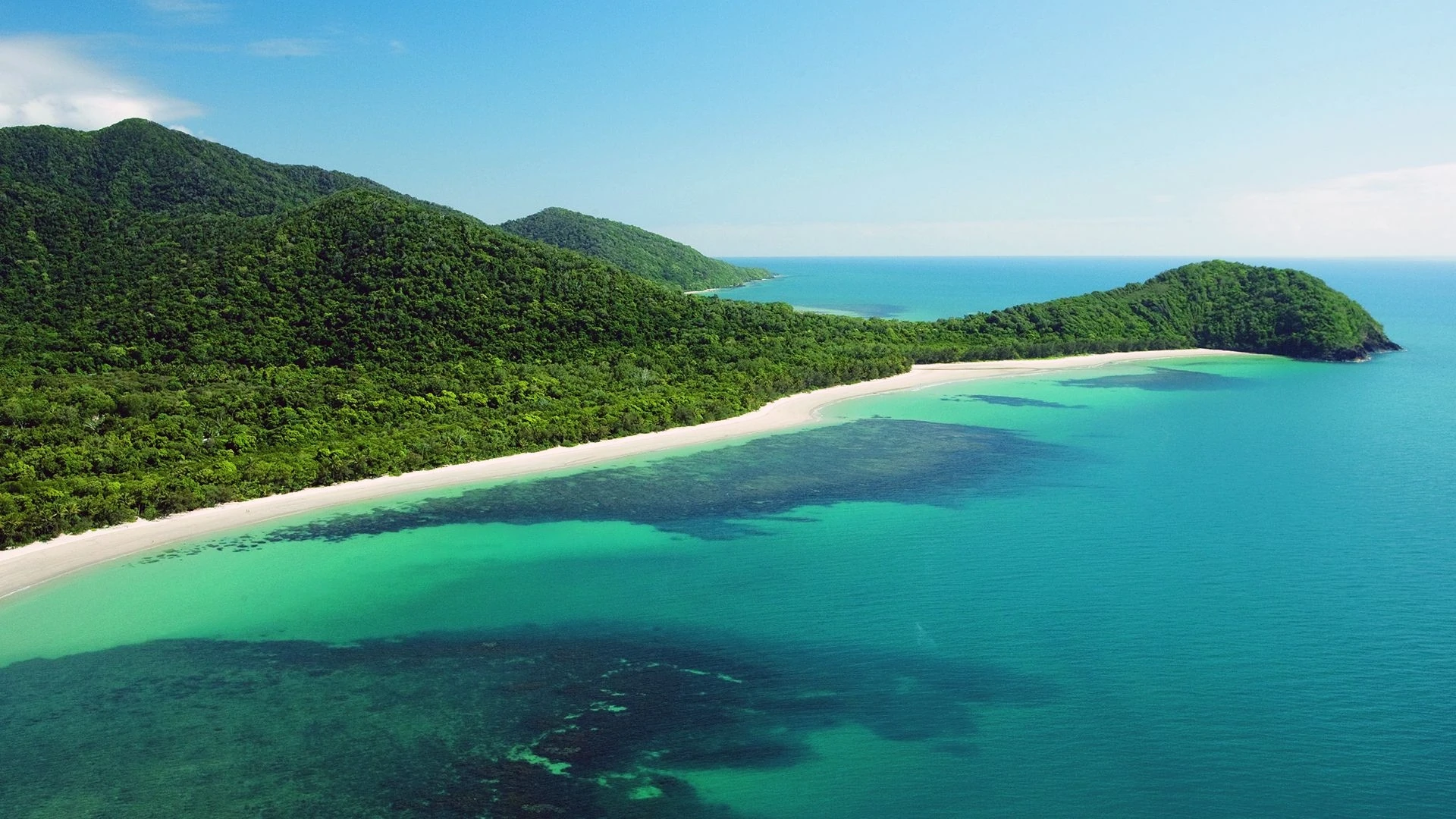
The stretch of coast north of Cairns is one of the most biologically extraordinary places on the planet — two World Heritage areas, the Daintree Rainforest and the Great Barrier Reef, meet at the same shoreline. Doing it in a campervan makes sense: accommodation options thin out dramatically north of Port Douglas, the scenery rewards slow travel, and waking up to the sound of cassowaries rustling through the undergrowth beats any hotel alarm clock.
The total distance from Cairns to Cape Tribulation is roughly 140 kilometres, but plan for a full day at minimum. There are ferry crossings, unsealed sections, wildlife crossings, and a dozen stops worth making. If you're arriving in Cairns from further south, our Brisbane to Cairns Campervan Road Trip: 14-Day Itinerary covers the full run up the Queensland coast and slots neatly into this northern extension.
What Campervan Can You Actually Take North of the Daintree?
This is the single most important question to answer before you book anything. Most hire operators — Apollo, Britz, Maui, Jucy, Travellers Autobarn, Camperman, Mighty, Cheapa Campa, Star RV, Lets Go — have clauses in their rental agreements that restrict or outright prohibit travel on unsealed roads. The section of the Bloomfield Track beyond Cape Tribulation is definitely off-limits for standard campervans. The road between the Daintree River ferry and Cape Tribulation itself is sealed but narrow and winding, and most operators permit it for 2WD vehicles — but always confirm in writing before you pick up the keys.
As a general rule: a compact campervan (think Jucy Condo, Mighty Highball, or Travellers Autobarn Hitop) handles the Cape Trib road fine. A large motorhome or a 6-berth vehicle is a different story — the road is narrow, there are tight bends, and some campsite entrances won't accommodate anything over about 6.5 metres. Check the operator's terms carefully, and if you're comparing options, the CamperCompare Cairns hire page lets you filter by vehicle size and operator so you can see what's available and roughly what it costs before you commit.
The Route: Cairns to Cape Tribulation Step by Step
Cairns to Port Douglas (67 km, about 1 hour)
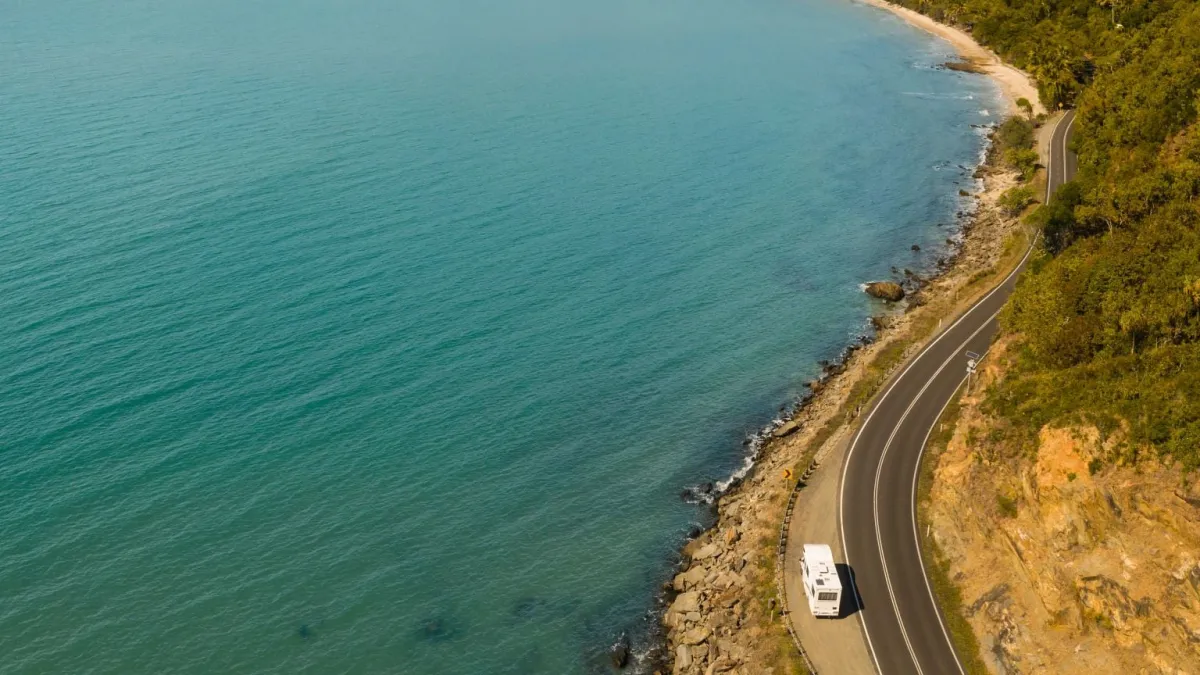
Head north on the Captain Cook Highway, one of the most scenic coastal drives in Australia. The road hugs the Coral Sea with the rainforest-covered ranges rising to your left. Rex Lookout, about 20 kilometres north of Cairns, is worth a five-minute stop for the view south. Port Douglas is the last proper town before things get remote — fuel up here, stock the fridge, and withdraw cash. ATMs north of Port Douglas are scarce.
Port Douglas to the Daintree Ferry (35 km, about 30 minutes)
The road narrows as you head north through Mossman. Stop at the Mossman Gorge Centre (operated by the Kuku Yalanji community) if you have time — the gorge walk is genuinely beautiful and the cultural context it provides for the rest of the trip is worth it. Entry to the gorge is free; the shuttle from the centre costs around $10 per adult. From Mossman it's another 25 kilometres to the Daintree River ferry crossing.
The Daintree Ferry
The cable ferry at the Daintree River crossing is the gateway to the wet tropics wilderness north of the river. It runs continuously from around 6am to midnight daily, and the crossing takes about five minutes. Pricing is per vehicle and changes periodically, but as a rough guide budget around $30–$35 return for a standard campervan. There's no booking system — you queue and wait. On busy dry-season weekends, waits of 20–30 minutes are common. Pay on the southern bank before boarding.
Once you're across, you're in a different world. Mobile coverage drops significantly. Download offline maps (Maps.me or Google Maps offline) before you leave Port Douglas.
Daintree River to Cape Tribulation (35 km, about 45–60 minutes)
The road is sealed all the way to Cape Tribulation but it's narrow, winding, and frequently crossed by wildlife. Speed limits drop to 80 km/h and lower in places, and you should treat them seriously — cassowaries, wallabies, and tree kangaroos are all active near the road, particularly at dawn and dusk. Key stops along this section include:
- Alexandra Range Lookout — sweeping views over the rainforest canopy to the Coral Sea
- Jindalba Boardwalk — a short, flat rainforest walk managed by the Daintree Discovery Centre
- Daintree Discovery Centre (Cape Tribulation Road, Cow Bay) — entry around $35–$40 per adult, includes an aerial walkway and tower above the canopy
- Cow Bay Beach — a quiet beach backed by rainforest; do not swim (see croc safety below)
- Thornton Beach — another beautiful stretch with a kiosk and toilets
Campsites North of the Daintree
Options are limited and fill quickly in peak season. Book ahead wherever possible.
| Campsite | Location | Facilities | Approx. Cost (per night) | Notes |
|---|---|---|---|---|
| Cape Tribulation Camping | Cape Tribulation village | Powered and unpowered sites, amenities block, camp kitchen | $40–$60 (unpowered), $55–$75 (powered) | One of the most popular; book well ahead in dry season |
| PK's Jungle Village | Cape Tribulation | Unpowered sites, shared bathrooms, bar and restaurant on site | $25–$40 per person | Lively atmosphere, suits smaller campervans |
| Rainforest Hideaway | Cow Bay | Powered sites, amenities, quiet setting | $45–$65 | Good midpoint option; suits couples |
| Noah Beach Campground (QPWS) | 8 km south of Cape Trib | Basic toilets, no power, no showers | $8–$10 per person | Book via the Queensland National Parks booking system; stunning beachfront location |
Noah Beach is the pick for atmosphere — you're sleeping metres from the beach with rainforest behind you — but the facilities are genuinely basic. Make sure your campervan's onboard water and toilet situation is sorted before you arrive. Prices above are indicative and subject to change; always check directly with the operator or the QPWS booking portal.
Croc Safety: This Is Not Optional Reading
Saltwater crocodiles inhabit every waterway, estuary, and beach north of the Daintree River. This is not a theoretical risk. Do not swim at any beach north of the ferry crossing. Do not wade in creeks or rivers. Do not stand at the water's edge at dawn or dusk. Do not let children or dogs near the water unsupervised.
Signage at beaches will tell you whether swimming is considered lower risk (usually at patrolled sections of Myall Beach near Cape Tribulation village during daylight hours), but "lower risk" is not "no risk." The standard advice from Queensland Parks and Wildlife is simple: if there's no enclosure or explicit signage saying it's safe, stay out of the water.
Crocodiles also occasionally wander onto roads and into campsites. If you see one, keep your distance and report it to Queensland Parks and Wildlife on 1300 130 372.
Wet Season vs Dry Season: When to Go
The Daintree has two distinct seasons and they produce very different trips.
Dry Season (May to October)
This is peak time for good reason. Temperatures are warm but not oppressive (mid-20s to low 30s), humidity is manageable, and the roads are in their best condition. Waterfalls are still flowing from the wet season rains. Campsites fill up — particularly in July and August school holidays — so book two to three months ahead for popular spots. Ferry queues are longer. Wildlife is active and easier to spot.
Wet Season (November to April)
Rainfall is intense and frequent, particularly January to March. The Bloomfield Track beyond Cape Tribulation regularly closes. Some campsite access roads become impassable. Humidity is high and insects are prolific. That said, the rainforest is at its most lush, waterfalls are spectacular, and you'll have the place largely to yourself. If you go in the wet, check road conditions daily via the Queensland Department of Transport and Main Roads website, and make sure your campervan hire agreement doesn't restrict wet-season travel in this region — some operators do.
Cyclone season runs roughly November to April. Monitor the Bureau of Meteorology if you're travelling in this window.
Practical Logistics Worth Knowing
- Fuel: The last reliable fuel stop is Mossman. There is a small fuel outlet at Cape Tribulation (Whet Cafe and Bar area) but supply can be inconsistent and prices are significantly higher. Fill up in Mossman.
- Mobile coverage: Telstra has the best coverage north of the Daintree, but it's still patchy. Optus and Vodafone drop out almost entirely after the ferry. Download what you need before you cross.
- Groceries: Stock up in Port Douglas or Mossman. There's a small general store at Cape Tribulation but range is limited and prices reflect the remoteness.
- Generator use: Many campsites in this area restrict generator hours. If you're relying on a generator for power, check the campsite rules before booking.
- Insects: Bring a good quality DEET-based repellent. Sandflies (midges) at beaches are relentless, particularly around dawn and dusk.
Extending the Trip: What's Nearby
If you're heading back south after Cape Tribulation, Port Douglas makes an excellent base for a night or two — it has good supermarkets, restaurants, and a relaxed pace. From there you can loop back to Cairns and either return your vehicle or continue south. For ideas on what comes after Cairns heading south, the Cairns to Airlie Beach Road Trip guide covers the next major leg down the Queensland coast.
If you're doing a longer east coast run and this Daintree detour is part of a bigger trip, the One-Way Campervan Hire: Brisbane to Cairns East Coast Guide has useful advice on one-way hire logistics, relocation deals, and how to structure the full run. And if you're thinking about continuing all the way south after Cairns, One-Way Campervan Hire: Cairns to Sydney is worth a read before you book.
For a deeper look at the road itself and what to expect at each stop, our dedicated Cairns to Cape Tribulation Road Trip: Into the Daintree guide goes into more detail on the individual attractions and walking tracks along the way.
Booking Your Campervan for This Trip
For a trip like this, a compact to mid-size campervan is the sweet spot. You want something with an onboard toilet and water tank given the limited facilities at some campsites, but not so large that you're white-knuckling it around tight bends on the Cape Trib road. Operators like Jucy, Mighty, Travellers Autobarn, and Camperman all have suitable vehicles in Cairns. Apollo, Britz, and Maui have larger fleets with more options if you need specific features. Cheapa Campa and Lets Go are worth considering if budget is the priority.
Prices for a two-berth campervan out of Cairns typically range from around $80–$120 per day in the shoulder season to $130–$200 or more per day in peak July–August. Those are indicative figures — actual pricing shifts with demand, lead time, and vehicle availability. The Campervan Hire Cairns guide has more detail on what to expect from each operator and what's included in hire costs.
Planning your trip?
Compare campervan & motorhome hire prices across Australia: