Why Tasmania Is One of Australia's Best Free Camping Destinations
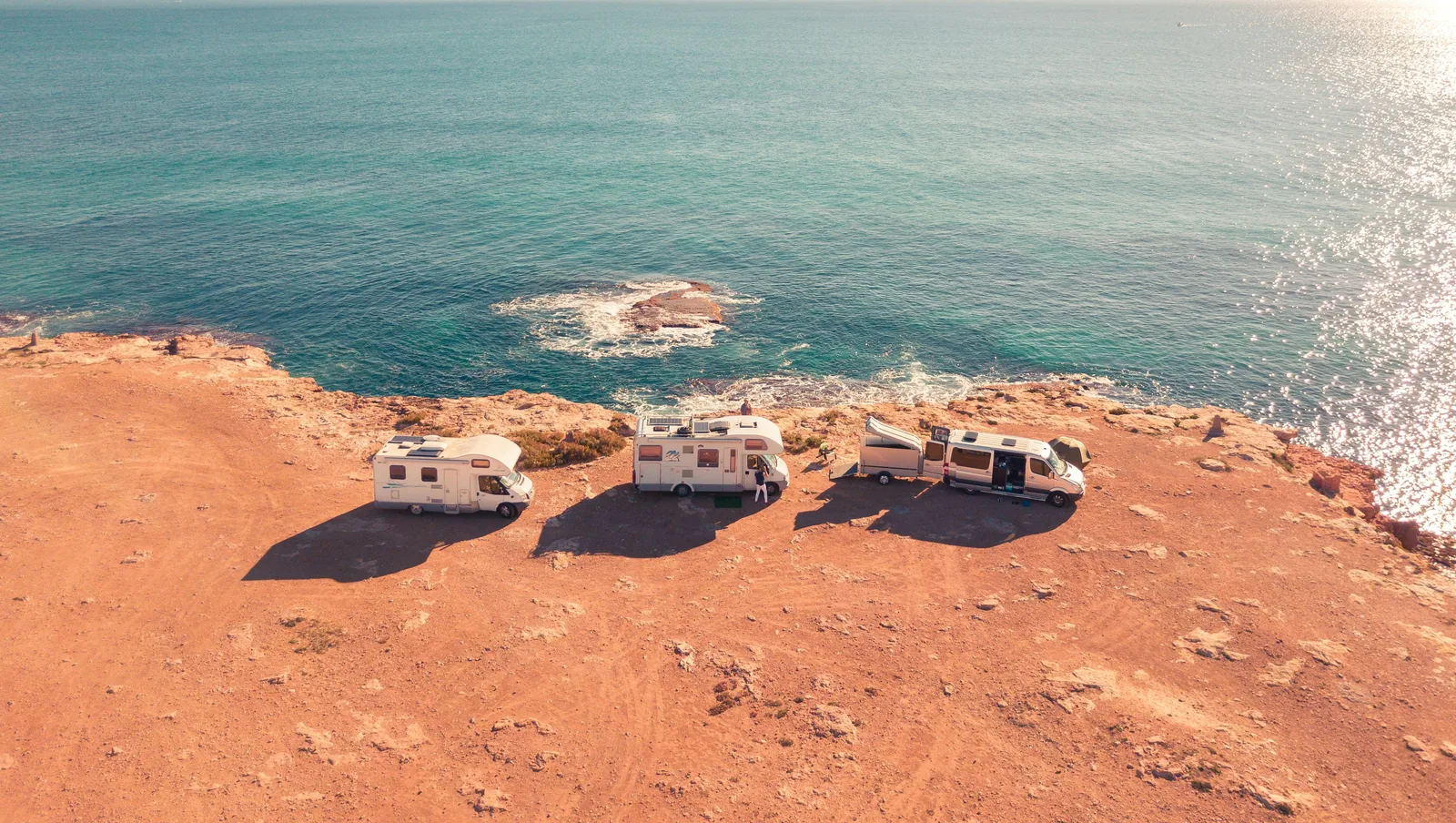
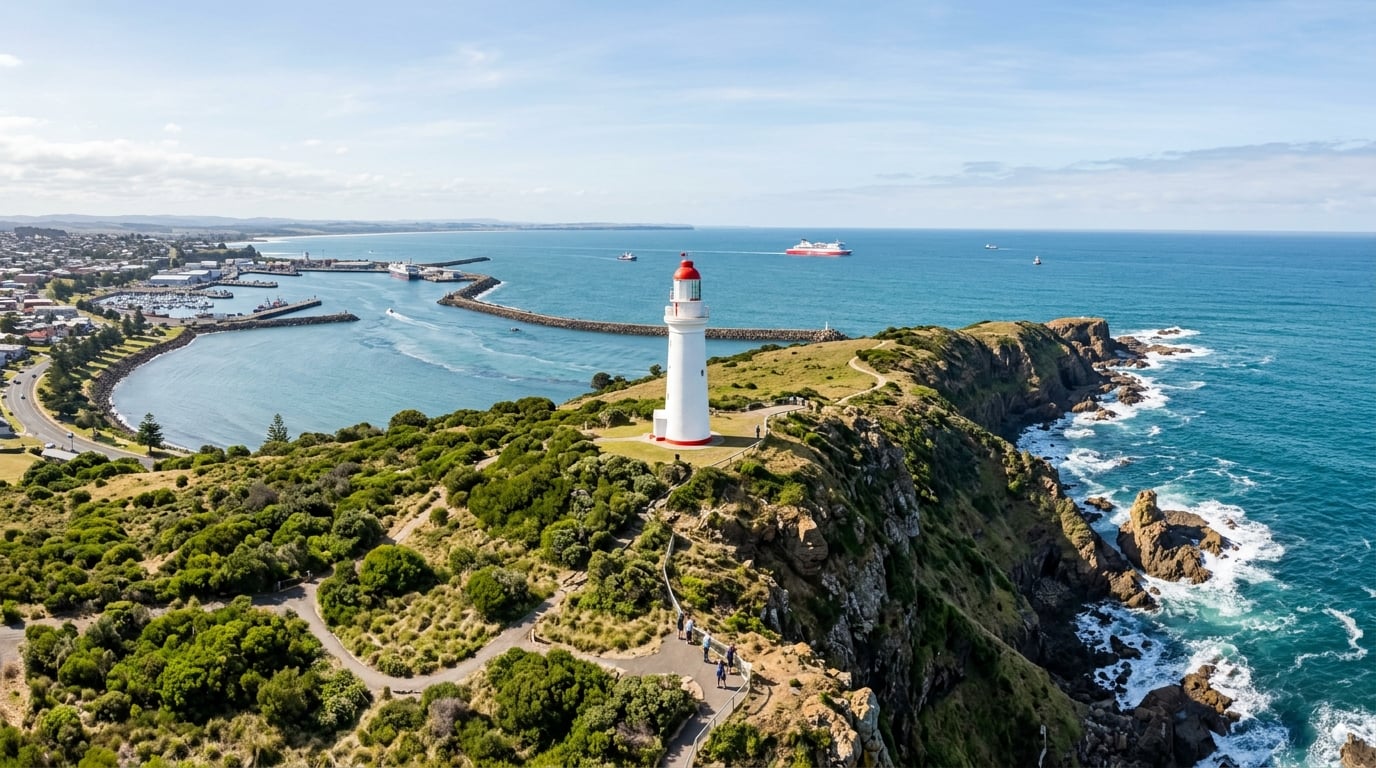
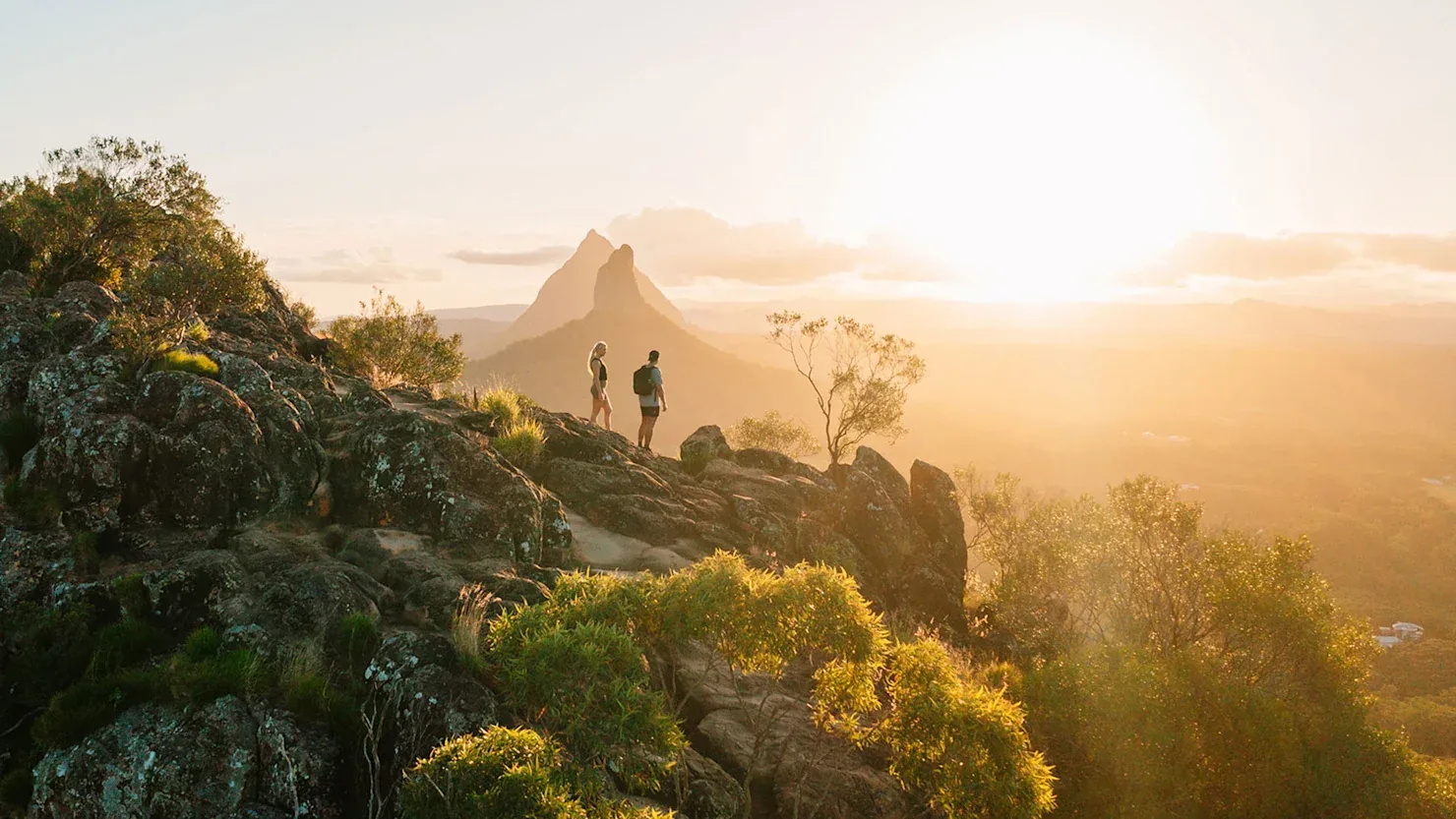
Tasmania punches well above its weight when it comes to free and low-cost camping. The island has a relatively small population, enormous tracts of public land, and a culture of responsible outdoor access that means genuinely good spots are still available if you know where to look. For anyone doing a Tasmania campervan road trip, cutting accommodation costs through smart free camping can save you $400–$900 over a two-week trip — money better spent on good whisky and fresh oysters.
That said, free camping in Tasmania comes with real rules, and ignoring them can land you with fines or, worse, damage the places that make Tassie worth visiting. This guide covers the best legal sites, what self-containment actually means here, where to find dump points, and the practical gotchas that catch first-timers out.
The Rules: Self-Containment and What It Means in Tasmania
Tasmania does not currently have a mandatory national self-containment certification scheme like New Zealand's Qualmark system, but that doesn't mean anything goes. The key rules are:
- National Parks: You must camp in designated sites and pay the relevant fees. A Tasmania Parks Pass (around $60–$70 per vehicle for a holiday pass) covers entry to all national parks and is worth buying if you plan more than two or three park visits.
- Crown Land and Forestry Tasmania roads: Dispersed camping is generally permitted unless signage says otherwise, but you must leave no trace, use a self-contained toilet system or bury waste 15 cm deep and 100 m from water, and take all rubbish with you.
- Roadsides and rest areas: Short overnight stops (typically one night) are tolerated in most rest areas, but check local council rules — some municipalities, particularly around popular tourist corridors, have introduced restrictions.
- Private land: Always get permission first. Trespassing is trespassing, even in a campervan.
If you want a broader picture of how Tasmania's rules compare to the mainland, the Free Camping vs Holiday Parks in Australia: The 2026 Cost and Legality Guide is a solid starting point before you book anything.
Practically speaking, most modern campervans hired from operators like Apollo, Britz, Maui, Jucy, Travellers Autobarn, Camperman, Mighty, Cheapa Campa, Star RV, Lets Go, and others come with a cassette toilet or a built-in toilet and grey water tank. Check your hire agreement — some operators restrict where you can take the vehicle (unsealed roads, for instance), which affects which free sites you can actually reach.
Best Free and Low-Cost Campervan Sites in Tasmania
1. Fortescue Bay, Tasman Peninsula
Technically a national park campsite, so your Parks Pass covers it. Fees are around $13–$16 per person per night on top of the pass. It's one of the most beautiful spots in the state — a sheltered bay with white sand, good facilities including toilets and picnic tables, and easy access to the Three Capes Track trailheads. It's about 100 km southeast of Hobart via the Arthur Highway. Book ahead in summer; it fills fast.
2. Lime Bay State Reserve
Free camping on the Tasman Peninsula, about 10 km north of Fortescue Bay. Basic facilities — pit toilets only — but a genuinely peaceful spot on a sheltered bay. Suitable for self-contained campervans. No powered sites, no dump point on-site, so come prepared.
3. Freycinet National Park — Friendly Beaches
The main Freycinet campground near Coles Bay requires booking and fees, but Friendly Beaches (about 20 km north of Coles Bay) has a small, low-cost campsite managed by Parks Tasmania at around $13 per person per night. The beach is extraordinary and crowds are a fraction of Wineglass Bay. The access road is unsealed but manageable in a standard campervan — check with your hire operator first.
4. Ralphs Falls Reserve, Northeast Tasmania
A free Forestry Tasmania site near Ringarooma, about 60 km south of Scottsdale. Basic pit toilets, no power, no dump point. The falls are a short walk from camp. Good for a night or two as part of a northeast loop. Unsealed access road — confirm your hire vehicle's off-road allowance before heading in.
5. Lake Mackenzie, Central Highlands
Free dispersed camping on Crown Land near Bronte Park, roughly 100 km northwest of Hobart. No facilities at all, so you need a fully self-contained setup. The highland lakes region is spectacular for trout fishing and stargazing. Cold at night even in summer — pack accordingly.
6. Binalong Bay (Bay of Fires)
The township of Binalong Bay has a council-managed campground with basic facilities at low cost (around $10–$15 per night). It's not strictly free, but it's one of the cheapest ways to sleep next to the famous orange-lichen rocks of the Bay of Fires. About 50 km northeast of St Helens. Powered sites available for a small premium.
7. Montezuma Falls, Rosebery
A free Forestry Tasmania campsite near Rosebery on the West Coast, about 130 km south of Burnie. Pit toilets, no power. The falls (the highest in Tasmania at 104 m) are a 4 km return walk from camp. The West Coast is genuinely remote — fuel up in Rosebery before heading out.
Comparison: Free vs Low-Cost vs Holiday Park Camping in Tasmania
| Site Type | Typical Cost | Facilities | Booking Required | Best For |
|---|---|---|---|---|
| Forestry Tasmania / Crown Land | Free | Pit toilet or none | No | Self-contained rigs, solitude |
| National Park campsite | $13–$16 per person + Parks Pass | Toilets, picnic tables, some with water | Often yes (peak season) | Scenic locations, some facilities |
| Council / reserve campground | $10–$20 per night | Toilets, sometimes showers | Sometimes | Budget travellers wanting basics |
| Holiday park (unpowered) | $35–$55 per night | Full amenities, dump point, laundry | Recommended | Comfort, families, longer stays |
| Holiday park (powered) | $45–$75 per night | Full amenities + power | Yes in peak season | Larger motorhomes, winter trips |
Dump Points: Where to Empty Your Tanks
This is the unglamorous but essential part of free camping in a campervan. Tasmania has a reasonable network of dump points, and the Dump Point app (free, iOS and Android) is the most reliable way to find them. Key locations include:
- Hobart: Mornington Park, Cambridge — free public dump point
- Launceston: Inveresk Precinct car park — free
- Devonport: Bluff Caravan Park and the Spirit of Tasmania terminal area
- Swansea: Jubilee Beach Reserve — free
- St Helens: St Helens Caravan Park — small fee may apply
- Queenstown: Queenstown Caravan Park
- Strahan: Strahan Village area
Plan your dump point stops as part of your route, not as an afterthought. Running out of tank capacity in a remote area is a miserable problem with no good solution.
Getting Your Campervan to Tasmania
Most people bring a hired campervan across on the Spirit of Tasmania ferry from Melbourne. If you're planning this, the Spirit of Tasmania Campervan Ferry Cost, Booking and What to Expect guide covers everything from vehicle height restrictions to the best cabin options. Vehicle deck bookings fill up months in advance in January and February, so don't leave it late.
Alternatively, you can hire directly in Tasmania. Devonport is the main ferry arrival point and has hire options, or you can pick up in Hobart if you're flying in. To compare what's actually available and get a realistic price range across operators like Apollo, Jucy, Mighty, and Travellers Autobarn, check the CamperCompare Hobart hire page — it pulls live availability across multiple operators so you can see what suits your budget and vehicle needs side by side.
For the full picture on getting there by sea, the Melbourne to Tasmania campervan ferry guide covers costs, routes, and timing in detail.
Practical Tips for Free Camping Tasmania by Campervan
- Arrive early: Free sites don't take bookings. Popular spots like Lime Bay and Montezuma Falls fill by mid-afternoon on long weekends and in January.
- Carry extra water: Many free sites have no water supply. A 20-litre jerry can is cheap insurance.
- Check fire restrictions: Tasmania's fire danger can be extreme in summer. Total Fire Ban days are common in January and February — check the Tasmania Fire Service website daily.
- Respect the one-night rule: At roadside rest areas, one night is the generally accepted limit. Overstaying attracts attention and erodes goodwill for future travellers.
- Mobile coverage: Telstra has the best rural coverage in Tasmania, but even Telstra drops out in the Southwest, parts of the West Coast, and some highland areas. Download offline maps (Maps.me or Gaia GPS) before you leave mobile range.
- Hire vehicle restrictions: Some operators prohibit travel on unsealed roads entirely. Others allow it with caveats. Read the fine print — if you damage a vehicle on a road you weren't supposed to be on, you're liable.
- Leave no trace: This isn't optional. Sites that get trashed get closed. Pack out everything, including food scraps.
Putting It All Together
Free camping in Tasmania by campervan is genuinely rewarding — the landscapes are world-class, the sites are often uncrowded, and the savings are real. The key is doing your homework before you go: understand the rules for each site type, know where your nearest dump points are, and make sure your hire vehicle is actually permitted to go where you want to take it.
If you're still planning your broader route, the complete Tasmania road trip campervan guide is a good companion to this one — it covers the full circuit with timing, distances, and what to prioritise if you're short on days. And if you're curious how Tasmania's free camping scene compares to the mainland, the national free camping guide gives you the full picture.
Tasmania rewards slow travel. Take your time, pick your spots carefully, and you'll spend far less than you expected while seeing far more than you planned.
Planning your trip?
Compare campervan & motorhome hire prices across Australia: