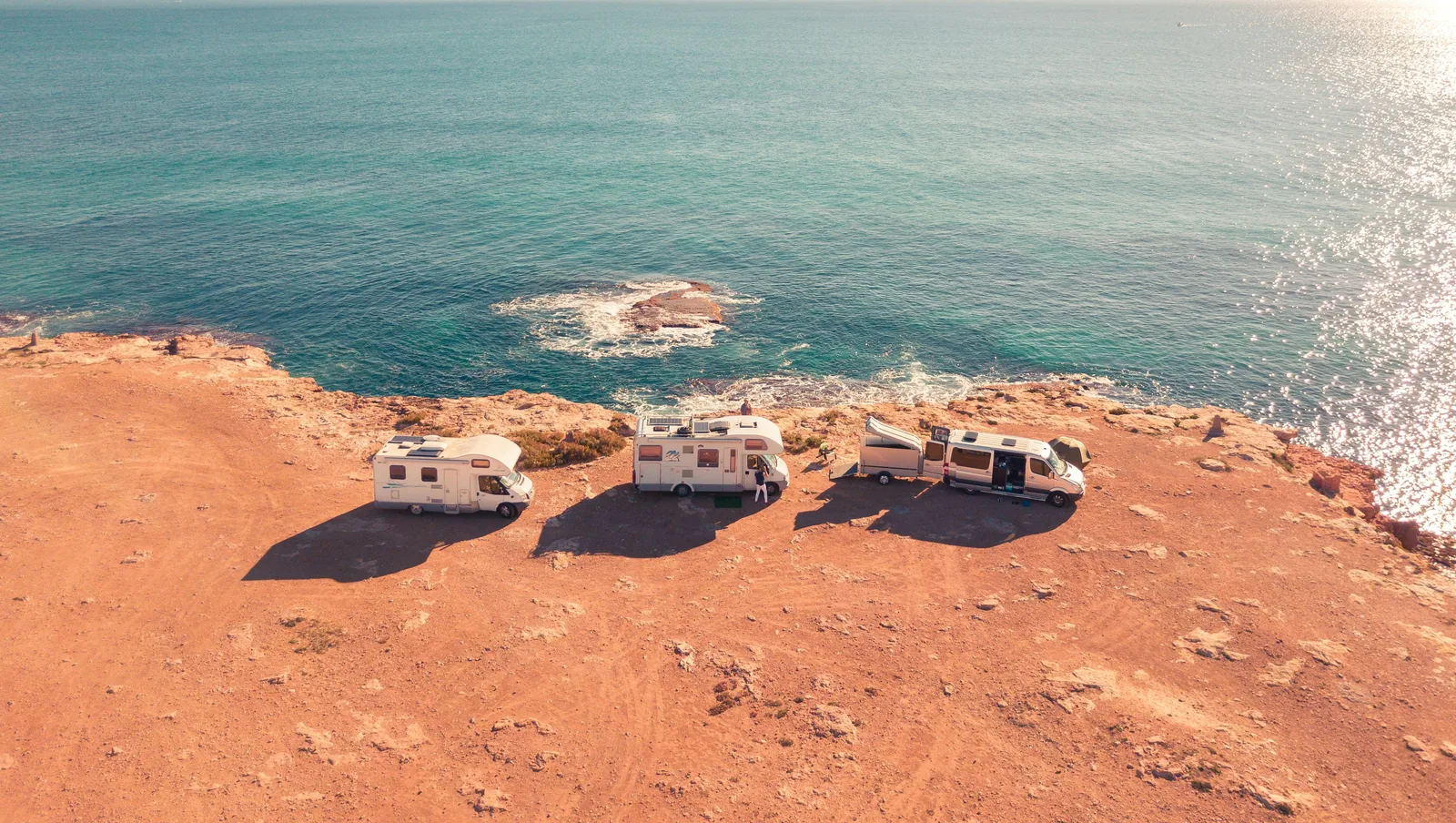
One of the biggest questions every campervan traveller in Australia faces: should you free camp or stay at holiday parks? And the even bigger question: is it actually legal to park your campervan anywhere and sleep?
The short answer is no — you can't legally sleep in your campervan just anywhere. But Australia has thousands of legal free camping spots that can save you hundreds of dollars on your road trip. This guide breaks down exactly where you can and can't camp, the best apps to find free spots, and a real-world cost comparison to help you plan your budget.
What Is Free Camping?
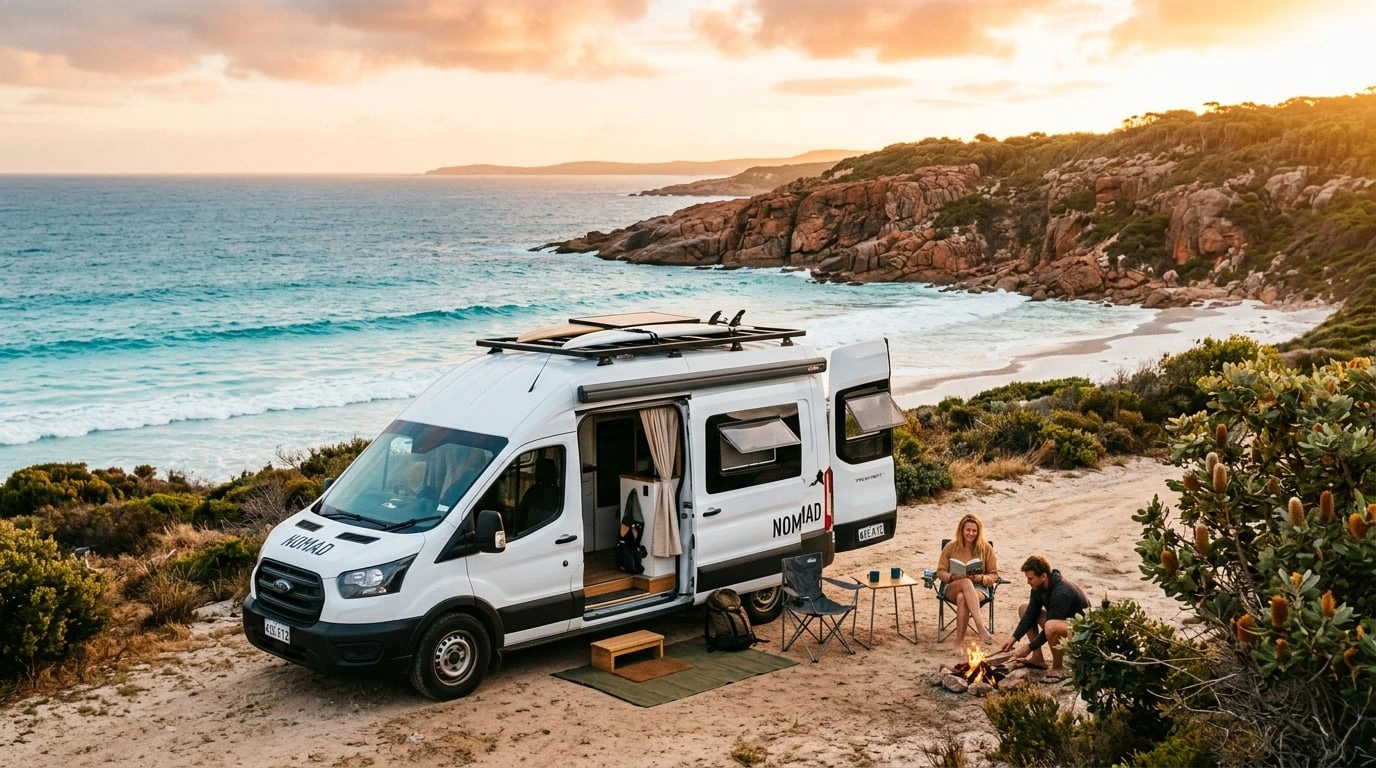
Free camping (also called "bush camping" or "wild camping") means staying overnight in your campervan at a location that doesn't charge a fee. These spots range from simple roadside rest areas to stunning lakeside clearings with fire pits and picnic tables.
Free camping is not the same as illegally parking in a car park overnight. Legal free camping in Australia happens at:
- Designated rest stops — Government-maintained stops along highways, usually with a toilet, bins, and sometimes a shelter.
- National park campgrounds — Many national parks offer basic campgrounds for free or a small permit fee ($6–$15/night).
- Council-approved areas — Some local councils designate free camping areas to attract tourism.
- Station stays — Some rural properties offer free or donation-based camping on their land.
- Showgrounds — Country showgrounds sometimes allow overnight camping for a small fee ($5–$15).
State-by-State Free Camping Laws
Free camping rules in Australia are set at the local council level, which means they can vary dramatically — even between neighbouring towns. Here's a state-by-state overview of the general approach:
Queensland
Queensland is one of the most free-camping-friendly states. Many rural councils actively encourage free camping to boost local tourism. Key rules:
- Rest areas: 20-hour maximum stay. Some have "no camping" signs — respect them.
- National parks: Booking required through the Queensland Parks website. Fees typically $6.85/person/night or free for some basic sites.
- Urban areas: Generally prohibited. Brisbane, Gold Coast, and Cairns have strict bylaws against sleeping in vehicles.
- Best free camping regions: Outback Queensland, Atherton Tablelands, Cape York approach
New South Wales
NSW has a mixed approach — coastal areas are more restrictive, while inland areas are more relaxed:
- Rest areas: Generally 24-hour maximum. Many highway rest stops explicitly allow overnight camping.
- National parks: Book through NSW National Parks. Fees vary from free to $16/adult/night.
- Byron Bay area: Very strict. Council rangers actively patrol for illegal campers. Fines up to $330.
- Best free camping regions: New England region, Snowy Mountains, Western NSW
Victoria
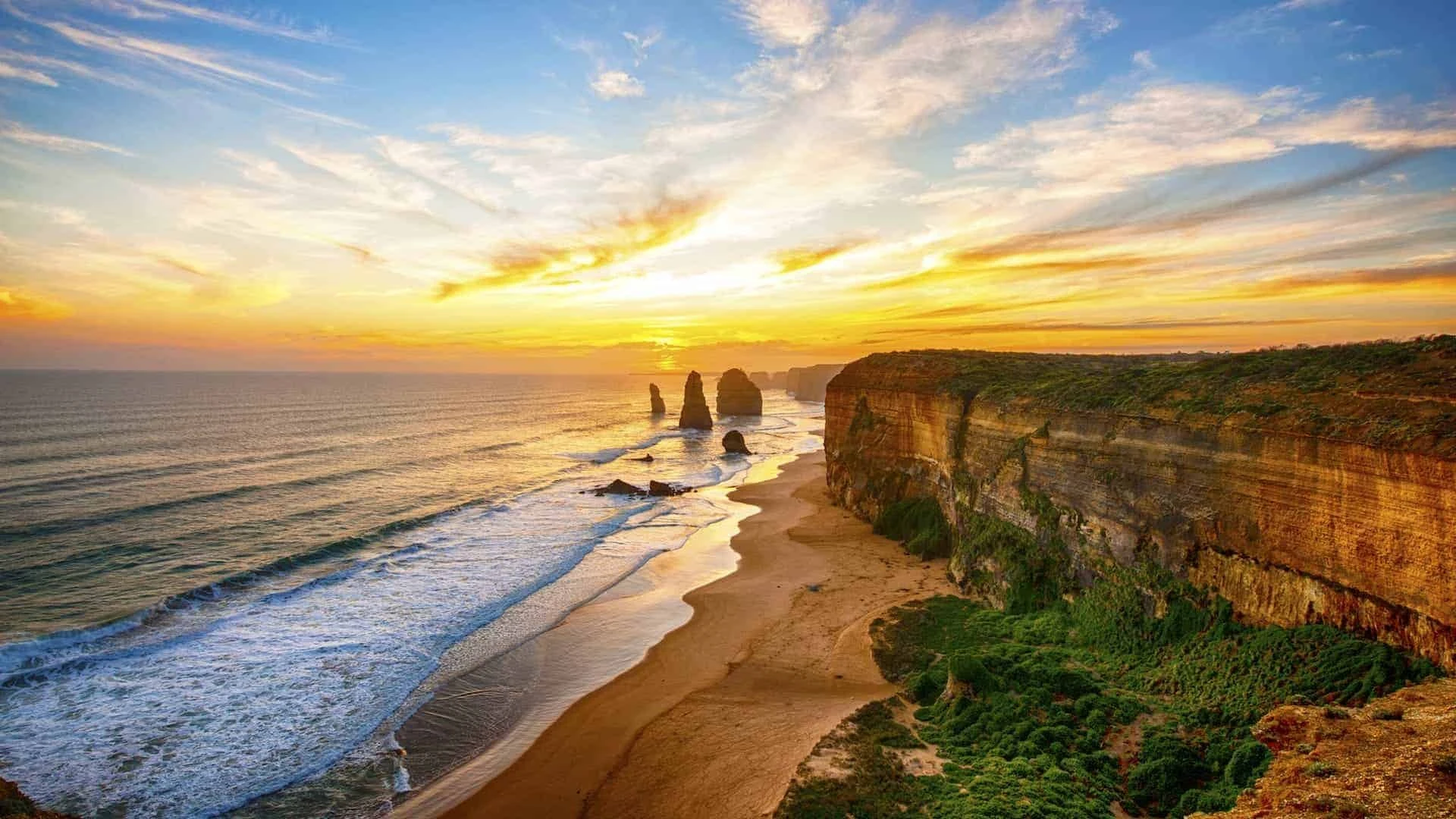
Victoria is generally more restrictive, especially along the popular Great Ocean Road:
- Great Ocean Road: Very limited free camping. Most campgrounds are paid ($20–$45/night). Plan ahead.
- National parks: Parks Victoria manages camping. Fees $15–$40/night, many require booking.
- Urban areas: Melbourne and surrounds strictly prohibit sleeping in vehicles.
- Best free camping regions: High Country, Grampians surrounds, Murray River region
Western Australia
WA is arguably the best state for free camping, thanks to vast distances and tourism-friendly councils:
- Rest areas: Many allow 24-hour stops. Roadhouses often welcome overnight camping in their car parks.
- National parks: Managed by WA Parks. Fees $8–$15/adult/night.
- The Kimberley: Extensive free camping options along the Gibb River Road and Great Northern Highway.
- Best free camping regions: Kimberley, Pilbara, Nullarbor, Coral Coast
South Australia
- Rest areas: Generally permit overnight stays. Well-maintained stops along the Stuart Highway.
- National parks: Fees typically $10–$15/night through SA Parks.
- Adelaide area: Restricted. No overnight parking in metropolitan areas.
- Best free camping regions: Flinders Ranges, Nullarbor, Eyre Peninsula
Tasmania
- Free camping: Limited but available. Some council-run free camps exist in smaller towns.
- National parks: Tasmania Parks pass required ($40/vehicle for a holiday pass). Camping fees additional ($10–$16/person/night).
- Best approach: Mix of free camps and budget caravan parks. Our Tasmania guide has specific campsite recommendations.
Northern Territory
- Rest areas: Many well-maintained free roadside stops along the Stuart Highway with shelters, BBQs, and toilets.
- National parks: Kakadu and Litchfield require camping fees ($6–$15/night). Our Kakadu guide covers all campgrounds.
- Aboriginal land: Permits required to camp on Aboriginal land. Do not camp without permission.
- Best free camping regions: Stuart Highway rest stops, MacDonnell Ranges
14-Day Cost Comparison: Free Camping vs Holiday Parks
Let's put real numbers on this. We've calculated the cost of a 14-day East Coast trip (Sydney to Cairns) under three accommodation strategies:
| Expense | 100% Free Camping | Mixed (10 Free + 4 Park) | 100% Holiday Parks |
|---|---|---|---|
| Accommodation | $0 | $160 (4 × $40/night) | $560 (14 × $40/night) |
| National Park Permits | $40 | $40 | $0 (parks have showers) |
| Shower Access | $42 (6 × $7 public showers) | $0 (use parks) | $0 (included) |
| Laundry | $24 (3 × $8 laundromat) | $8 (1 park + 1 laundromat) | $0 (included) |
| Water Refills | $0 (free at rest stops/taps) | $0 | $0 |
| Power (Charging) | $15 (café stops for charging) | $0 (use powered sites) | $0 (included) |
| Dump Point Fees | $10 | $5 | $0 (included) |
| Total | $131 | $213 | $560 |
| Savings vs Parks | $429 saved | $347 saved | — |
Our recommendation: the mixed approach. Free camping 70–80% of the time gives you the best balance of savings and comfort. Book a holiday park every 3–4 nights for hot showers, laundry, device charging, and a powered site to run air conditioning on hot nights.
Best Free Camping Apps for Australia
These apps are essential tools for finding legal free camping spots:
1. WikiCamps Australia — Best Overall
Cost: $8.99 (one-time purchase, iOS & Android)
Coverage: 45,000+ campsites across Australia
Best feature: User reviews with photos. Filter by amenities (toilet, water, dogs allowed, fires allowed). Works offline once downloaded — essential for remote areas with no reception.
2. CamperMate — Best Free Option
Cost: Free
Coverage: 30,000+ sites across Australia and NZ
Best feature: Great interface, includes dump points, water, fuel, and supermarket locations. Good for planning a full route with all stops.
3. iOverlander — Best for Remote/Outback
Cost: Free
Coverage: Community-driven, strong outback coverage
Best feature: Detailed descriptions of access roads, 4WD requirements, and accurate GPS coordinates for remote sites.
4. Camps Australia Wide — Best Book + App Combo
Cost: $74.95 (book + app bundle) or $49.95 (app only)
Coverage: 7,000+ camps, rest areas, and station stays
Best feature: Verified by the publishing team. Includes road conditions, suitability for large rigs, and pet-friendliness. The physical book is excellent for trip planning.
5. HiCamps — Best for National Parks
Cost: Free
Coverage: All Australian national park campgrounds
Best feature: Direct booking links to state park systems, availability information, and detailed amenity listings.
Free Camping Etiquette: The Unwritten Rules
Free camping is a privilege that depends on everyone doing the right thing. Follow these rules and future travellers will thank you:
- Leave no trace — Pack out everything you packed in. If there's no bin, take your rubbish with you. Leave the site cleaner than you found it.
- Respect quiet hours — Keep noise down after 9pm. Generators should be off by sunset (or don't bring one at all).
- Don't overstay — Respect the posted time limits. Most rest stops allow 24 hours maximum. Don't be the camper who sets up camp for a week.
- Use proper waste disposal — Never dump grey water (sink/shower water) on the ground. Use designated dump points. WikiCamps shows all dump point locations.
- Fires only where permitted — Check fire ban status before lighting any fire. Use established fire rings only. Total fire bans in summer are common across southern Australia — fines for breaches start at $5,000.
- Share the space — Don't take up multiple spaces with your awning and accessories. Be friendly to other campers.
- Respect Aboriginal land — Much of Australia is Aboriginal land with specific access requirements. Always obtain permits where required.
Self-Contained vs Non-Self-Contained Campervans
Unlike New Zealand's freedom camping rules, Australia doesn't generally require self-containment for free camping. However, having a self-contained vehicle significantly improves the experience:
| Feature | Self-Contained | Non-Self-Contained |
|---|---|---|
| Onboard toilet | ✅ Yes | ❌ No — need campground facilities |
| Grey water tank | ✅ Yes — contained waste | ❌ No — must be careful with water |
| Fresh water tank | ✅ 50–100L | ⚠️ 20–40L typical |
| Free camp access | All legal spots | Most legal spots (some require self-containment) |
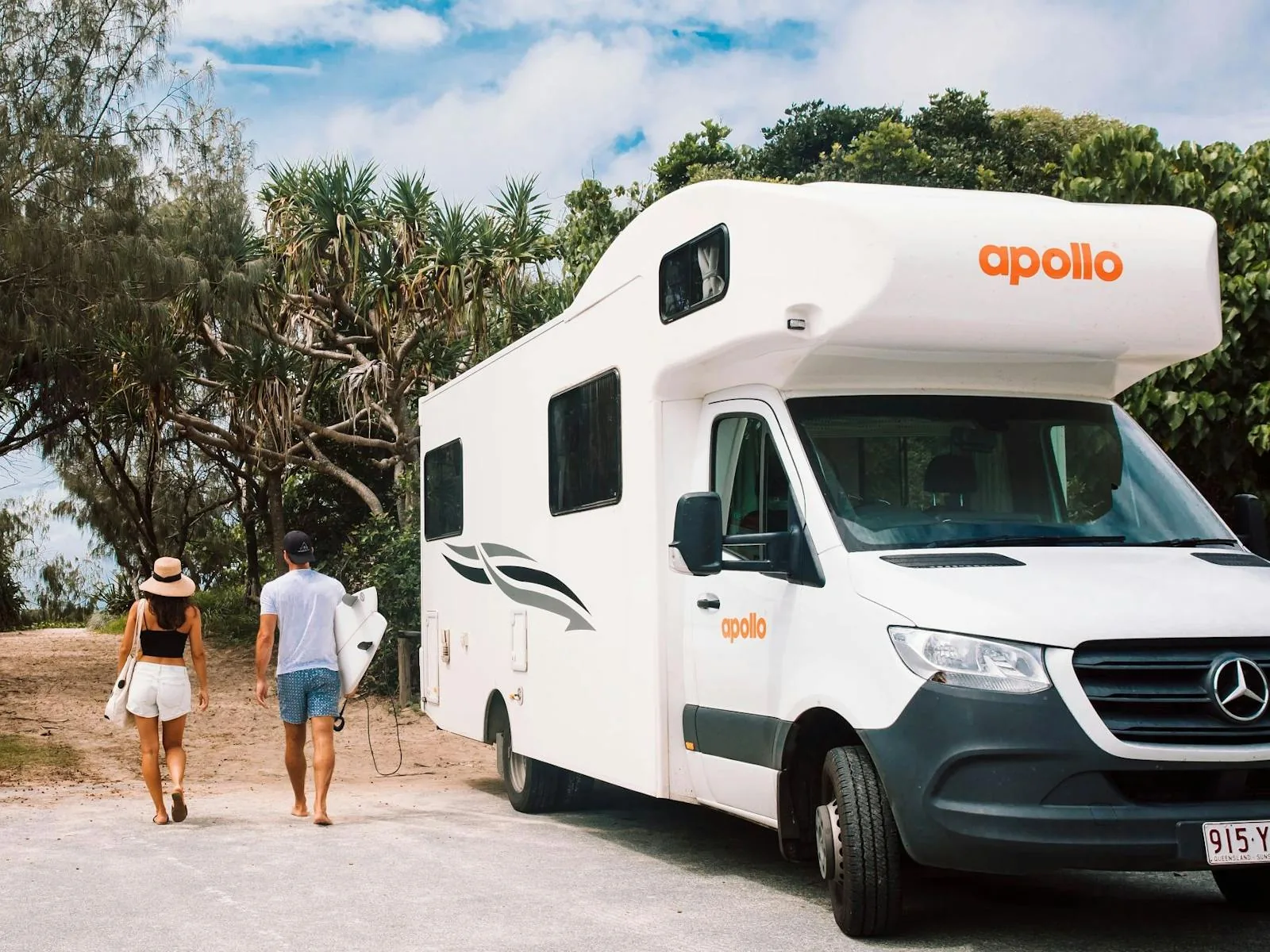
| Vehicle examples | Britz Frontier, Maui Cascade, Apollo Euro Tourer | Jucy Condo, Spaceships Beta, Hippie Drift |
| Typical cost | $120–$250/day | $49–$100/day |
For budget travellers, a non-self-contained sleepervan combined with the mixed camping approach (free camps + occasional holiday parks) is the most cost-effective strategy. Our budget guide has more tips on keeping costs down.
Safety Tips for Free Camping
Australia is generally very safe for free camping, but common sense applies:
- Tell someone your plans — Share your route and expected campsites with a friend or family member. Update them when you arrive safely.
- Check mobile reception — Many free camps are in remote areas with no reception. Download offline maps before leaving town. Consider a satellite communicator (Garmin inReach, Zoleo) for outback travel.
- Carry extra water and fuel — In outback areas, always carry more water and fuel than you think you'll need. Minimum 10 litres of drinking water per person beyond your tank.
- Be wildlife aware — Shake out shoes in the morning (spiders), check under the vehicle before driving (snakes seeking warmth), don't feed any wildlife, and store food securely.
- Croc country (QLD/NT) — In tropical northern Australia, never camp near waterways unless a sign specifically says it's safe. Saltwater crocodiles are present in rivers, creeks, and coastal areas north of Rockhampton (QLD) and throughout the NT Top End.
- Flash flooding — Never camp in dry riverbeds or creek crossings. In storm season (November–April in northern Australia), these can flood with little warning.
Holiday Parks: When They're Worth the Money
Holiday parks (also called caravan parks or camping grounds) aren't just for caravans. They offer genuine advantages:
- Hot showers and flushing toilets — After 3–4 days of free camping, a proper hot shower feels incredible.
- Laundry facilities — Coin-operated washers and dryers. Essential on longer trips.
- Powered sites — Charge all devices, run air conditioning in summer, use a proper hair dryer. Powers sites cost $30–$55/night.
- Camp kitchen — Full kitchen facilities with ovens, microwaves, and refrigerators. Great for cooking a more elaborate meal.
- Wi-Fi — Many parks offer free or paid Wi-Fi. Useful for travel planning and staying connected.
- Swimming pools — Especially welcome in tropical and outback areas.
- Security — Fenced parks with CCTV and after-hours security provide peace of mind, especially in urban areas.
Major Holiday Park Chains
| Chain | Parks | Avg Price (Powered) | Best For |
|---|---|---|---|
| BIG4 | 180+ Australia-wide | $40–$55/night | Families (pools, playgrounds, jumping pillows) |
| Top Parks | 60+ parks | $35–$50/night | Good quality, slightly quieter than BIG4 |
| Discovery Parks | 70+ parks | $35–$55/night | Waterfront locations, cabin + site options |
| G'DAY Parks | 200+ parks | $30–$45/night | Budget-friendly, membership discounts |
🚐 Unlock Your CamperCompare Discount Code
The best way to save on your campervan trip? Start with a great hire deal. Sign up on CamperCompare to unlock our exclusive discount code, then enter it in the discount code field when completing your booking.
Planning Your Free Camping Route
Here's how to plan a trip that maximises free camping:
- Download WikiCamps before you leave. Filter by "Free" and "Rest Area" and plot potential overnight stops along your route.
- Book holiday parks for every 3rd or 4th night — Especially in popular areas during peak season. Parks near major attractions book out.
- Check water and dump point locations — Plan water refills every 2–3 days. Know where the dump points are.
- Have backup options — Your planned free camp might be full, closed, or unsuitable when you arrive. Always have 2–3 alternatives within 30 minutes' drive.
- Arrive before dark — Finding and setting up at a free camp in the dark is stressful and potentially unsafe. Aim to arrive by 4pm in winter, 5pm in summer.
Popular Free Camping Routes
These routes have excellent free camping options:
- East Coast (Sydney to Cairns) — Hundreds of free camps and rest areas. Best free camping: north of Coffs Harbour.
- Perth to Broome — Outstanding free camping along the entire route. Roadhouses often allow free overnight parking.
- Stuart Highway (Adelaide to Darwin) — Rest areas every 100–200 km with shelters and facilities.
- Adelaide to Melbourne — Good free camping inland via the Grampians. Limited free options on Great Ocean Road itself.
Ready to Hit the Road?
The combination of free camping and a well-priced campervan is the most affordable way to explore Australia. Start by finding the best campervan deal for your trip on CamperCompare — we compare 25+ brands to find you the lowest price with our best price guarantee.
🌴 Heading to North Queensland?
Our partner Dundee Adventure Tours offers exclusive experiences in Tropical North Queensland — crocodile spotting, rainforest treks, and Aboriginal cultural tours. CamperCompare customers get a 10% loyalty discount plus free itinerary planning. Mention "CamperCompare" when booking.
Planning your trip?
Compare campervan & motorhome hire prices across Australia: