The Ultimate East Coast Route
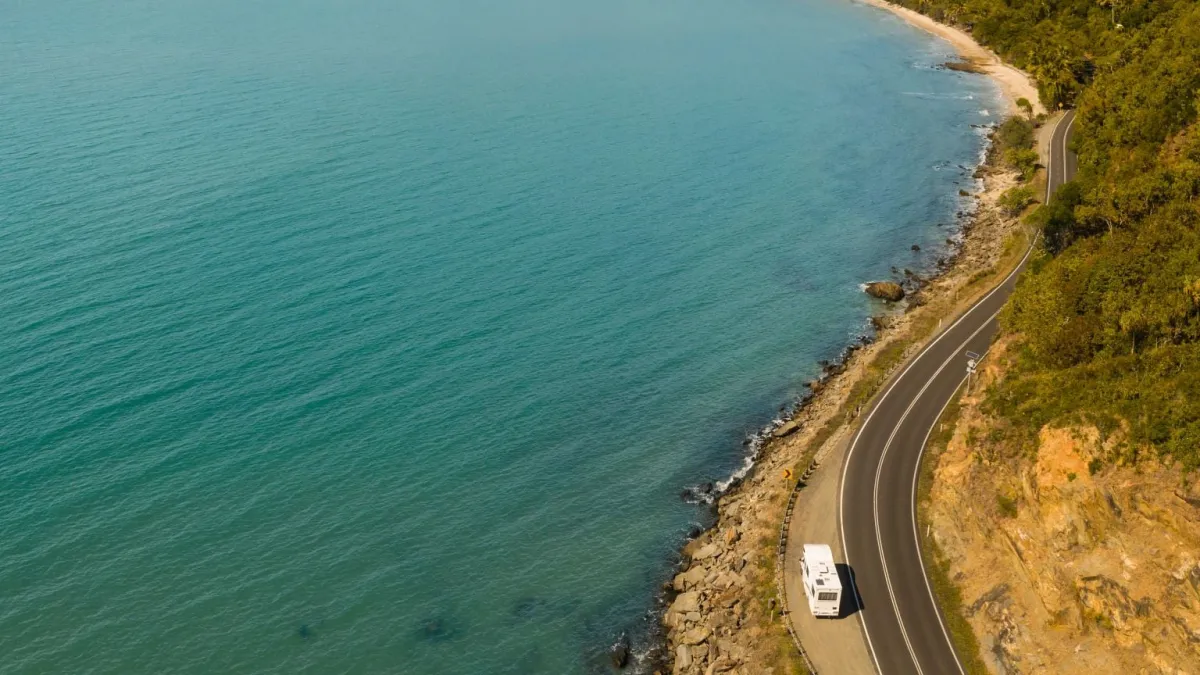
Australia's east coast road trip is a rite of passage. Whether you are a backpacker on a gap year, a couple seeking adventure, or a family creating lifelong memories, the drive between Sydney and Cairns delivers everything — golden beaches, World Heritage rainforests, the Great Barrier Reef, and vibrant coastal towns. It is consistently rated one of the world's great road trips, and for good reason: no other route in Australia packs as much diversity into a single drive.
The route follows the Pacific Highway north from Sydney, transitioning to the Bruce Highway in Queensland, and passes through three states (NSW, Queensland's southeast, and tropical North Queensland). Along the way, you will cross through no fewer than four distinct climate zones — from Sydney's temperate coastline, through the subtropical coast of the Gold Coast and Sunshine Coast, into the warm tropics around the Whitsundays, and finally the steamy equatorial atmosphere of Cairns and the Daintree Rainforest. Each zone brings its own landscapes, wildlife, and character.
This complete guide covers the full 2,500 km route from Sydney to Cairns, including every worthwhile stop, the best free and paid campsites, practical driving tips, and honest seasonal advice. Whether you have two weeks or four, this itinerary helps you make the most of every day.
Planning Your East Coast Trip
Which Direction: North or South?
Northbound (Sydney → Cairns) is the classic direction — the landscape gradually transitions from temperate to tropical, building toward the Great Barrier Reef as the climactic finale. Most backpackers choose this direction because the sense of building anticipation as the scenery becomes increasingly tropical is genuinely exciting. By the time you reach the Whitsundays and Cairns, the lush palms, warm ocean, and reef diving feel like a well-earned reward after weeks on the road.
Southbound (Cairns → Sydney) often has lower one-way campervan fees and more relocation deals — sometimes companies offer free one-way hire to get vans back south. You start with the reef and the Daintree (the biggest wow moments) and end in a world-class city. The downside is that the landscape gets less tropical as you go, which some travellers find anticlimactic. See our Cairns to Sydney one-way guide for fee comparisons.
Brisbane to Cairns only is another popular option if you do not want to do the full Sydney–Cairns route. At 1,700 km, it focuses on Queensland's highlights and can be done comfortably in 2–3 weeks. See our Brisbane to Cairns guide for the complete breakdown.
Best Time to Go
The east coast spans a vast latitude range, so the "best time" depends on which section matters most to you:
- April–June (Autumn): The sweet spot for the full route. Warm in the north, comfortable in the south. Swimming is still fine in Queensland. Crowds thin out after Easter. Whale watching begins in late May.
- July–September (Winter): Best for North Queensland — dry season means no stingers, perfect reef visibility, and comfortable humidity. Southern NSW can be cold for camping but ideal for hiking. Whale watching peaks along the whole coast.
- October–November (Spring): Warming up nicely in the south. North QLD gets humid and stinger season begins. Turtle nesting starts at Bundaberg in November. Fewer crowds than summer.
- December–March (Summer): Peak season everywhere — busy beaches, expensive campsites, and stinger season in full swing north of Gladstone. However, the south coast is at its best for swimming and Byron Bay buzzes with energy.
How Long Do You Need?
- 2 weeks (minimum): Hit the highlights — Byron Bay, Noosa, Airlie Beach (Whitsundays), Cairns. You will feel rushed but can cover the essentials.
- 3 weeks (recommended): Comfortable pace with time for activities — sailing the Whitsundays, diving the reef, exploring Magnetic Island, relaxing in Byron Bay.
- 4+ weeks (ideal): Full exploration including Fraser Island, Bundaberg, Agnes Water, all the hidden gems plus rest days. This is the pace the east coast deserves.
Budget Breakdown (Per Day, Two People)
| Expense | Budget | Mid-Range | Comfortable |
|---|---|---|---|
| Campervan hire | $50–$70 | $70–$100 | $100–$160 |
| Fuel | $30–$50 | $30–$50 | $30–$50 |
| Camping fees | $0–$20 | $25–$45 | $35–$55 |
| Food & groceries | $30–$40 | $40–$60 | $60–$80 |
| Activities | $0–$20 | $30–$60 | $50–$150 |
| Total/day | $110–$200 | $195–$315 | $275–$495 |
Section 1: Sydney to Byron Bay (800 km, 4–6 days)
The first leg heads north from Sydney along the Pacific Highway through some of NSW's finest coastal scenery. The road is modern dual carriageway for most of this section, making it easy driving for any campervan. The NSW North Coast transitions gradually from Sydney's temperate coastline to the subtropical warmth of the Northern Rivers region, and the change is palpable — the vegetation becomes lusher, the water bluer, and the pace of life noticeably slower.
Key stops:
- Port Stephens (200 km from Sydney) — Dolphin watching cruises in the harbour (sightings virtually guaranteed), Stockton Sand Dunes sandboarding (the longest moving sand dunes in the Southern Hemisphere), Tomaree Head summit walk for panoramic 360-degree views. The harbour is almost twice the size of Sydney Harbour and home to around 160 resident bottlenose dolphins. Camp at Halifax Holiday Park for marina views or Shoal Bay Holiday Park for beachfront access.
- Port Macquarie (420 km) — The famous Koala Hospital (free tours at 3 PM daily — the only facility in the world dedicated solely to koala rehabilitation), beautiful Lighthouse Beach walk (9 km coastal track through headlands and rainforest), Sea Acres Rainforest Centre boardwalk, and kayaking on the Hastings River where dolphins venture upstream.
- Coffs Harbour & Bellingen (540 km) — Muttonbird Island coastal walk, Solitary Islands Marine Park snorkelling (where tropical and temperate currents meet creating extraordinary biodiversity), and an essential detour inland to Bellingen for the Dorrigo Rainforest World Heritage area. The Wonga Walk and Crystal Shower Falls walk are highlights. Bellingen's creative community, craft beer scene, and flying fox colony at dusk make it worth at least one night.
- Yamba (670 km) — Repeatedly voted one of Australia's best small towns, with world-class surf at Angourie, the magical Blue Pools (freshwater swimming holes in volcanic rock), and unbeatable fish and chips at the Pacific Hotel overlooking the ocean.
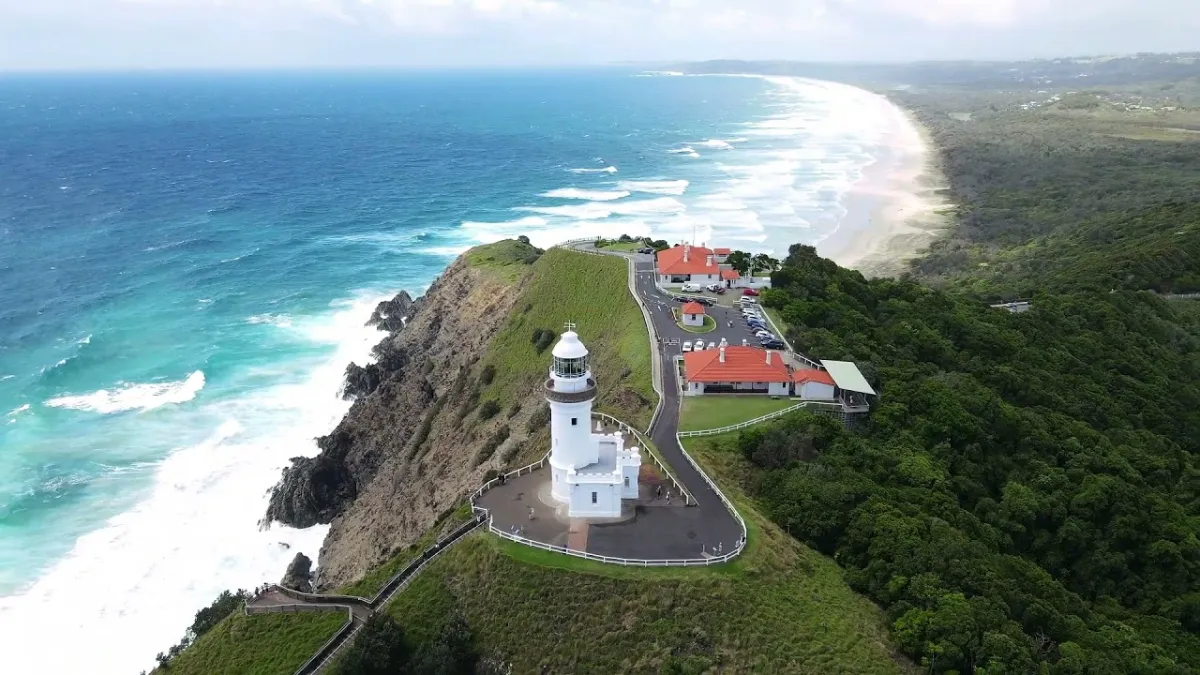
- Byron Bay (770 km) — The iconic Cape Byron Lighthouse at Australia's most easterly point, Saturday farmers market (one of the best in Australia), Wategos Beach for swimming with dolphins, and the creative, bohemian town centre. Walk the Cape Byron Track at dawn to see whales (in season) and dolphins playing in the surf below the lighthouse.
📍 For the full day-by-day breakdown, read our Sydney to Byron Bay road trip guide.
Section 2: Byron Bay to Brisbane (170 km, 1–2 days)
Cross the NSW–Queensland border through the Gold Coast. While Surfers Paradise gets the fame (and the high-rise skyline), the best beaches are further south: Burleigh Heads has a world-class point break and beautiful headland walk through coastal rainforest, Currumbin has a calm creek perfect for stand-up paddleboarding alongside feeding pelicans, and Coolangatta/Snapper Rocks has the Superbank — one of the longest right-hand wave breaks in the world, where on the right swell you can ride a single wave for over 500 metres.
Detour to the Gold Coast Hinterland for a completely different experience: Springbrook National Park has the Natural Bridge (a waterfall flowing through a cave into a rock pool, with glow-worms visible at night — time your visit for after dark for the most magical display), and Lamington National Park offers ancient Antarctic beech forest and stunning valley views from the O'Reilly's Tree Top Walk. The hinterland's waterfalls are at their best after recent rain, when the forests are dripping and the cascades thundering.
The drive between Byron and the Gold Coast also passes through Tweed Heads and the Tweed Valley. If you have time, the detour to Tropical Fruit World is fun (fruit tasting tours and wildlife boat rides), and the views of Wollumbin (Mount Warning) — the eroded core of a massive ancient volcano that once dominated the landscape — are dramatic from every angle.
Brisbane itself deserves at least a day, and a night parked at one of the city-accessible caravan parks gives you time to explore properly. The South Bank parklands include a free man-made beach (Streets Beach), Gallery of Modern Art (GOMA), and the award-winning Howard Smith Wharves restaurant precinct on the river beneath the Story Bridge — one of Australia's best urban dining precincts. Lone Pine Koala Sanctuary is the world's oldest and largest koala sanctuary, with guaranteed koala cuddle photo opportunities.
For a more local experience, explore the West End neighbourhood — Brisbane's most eclectic suburb with independent bookshops, vintage stores, and some of the best coffee in Queensland. The Eat Street Northshore markets (Friday–Sunday evenings) feature over 70 food stalls in converted shipping containers along the waterfront.
📍 See our Brisbane campervan hire guide for brand comparisons and depot tips.
Section 3: Brisbane to the Whitsundays (1,100 km, 5–7 days)
This is the heart of the east coast trip — the landscape transitions from subtropical to tropical, and the Great Barrier Reef becomes accessible from multiple points along the coast. This section has the greatest concentration of bucket-list experiences on the entire route, and it is worth spending the most time here. The Bruce Highway is a well-maintained dual carriageway for most of this stretch, though it passes through sugar cane country and cattle stations that feel a world away from the beach towns.
Key stops:
- Noosa (150 km from Brisbane) — Noosa National Park's coastal walk with almost-guaranteed wild koala sightings in the trees overhead, Hastings Street dining (some of the best restaurants on the Queensland coast), and the famous Eumundi Markets (Wednesday and Saturday — over 600 stalls of handmade crafts, local produce, and live music). The Noosa Everglades are a hidden gem — kayak or canoe through pristine waterways that feel like the Amazon. Camp at Noosa River Holiday Park or BIG4 Noosa Bougainvillia for great facilities.
- Rainbow Beach / K'gari (Fraser Island) (280 km) — Rainbow Beach's coloured sand cliffs are stunning, and the town is the gateway to K'gari — the world's largest sand island and a UNESCO World Heritage site. The island's freshwater lakes (Lake McKenzie and Lake Wabby are the most famous), ancient rainforest growing on sand, and 75-mile beach (which serves as both a highway and an aircraft landing strip) are extraordinary. Join a guided 4WD day tour if your campervan is not 4WD — you need a purpose-built vehicle for the island's sandy tracks.
- Hervey Bay (350 km) — Australia's undisputed whale watching capital. Between July and November, humpback whales rest in the calm, sheltered waters during their annual migration — and the whales here are famously curious, often approaching boats for extended close encounters. Discovery Parks Hervey Bay has beachfront sites, and the Esplanade walk along the foreshore is a pleasant evening stroll.
- Bundaberg (470 km) — Famous for its rum (the distillery tour is a fun afternoon), but the real attraction is Mon Repos — between November and March, loggerhead turtles haul themselves up the beach to lay eggs under moonlight, and from January, tiny hatchlings make their dash to the sea. Ranger-guided evening tours are essential (book ahead). Mon Repos is the largest loggerhead turtle rookery in the South Pacific.
- Agnes Water & Town of 1770 (560 km) — The northernmost surf beach in Australia and gateway to the southern Great Barrier Reef. Lady Musgrave Island day trips include reef snorkelling in a pristine lagoon encircled by coral cays — it is one of the most accessible and least crowded reef experiences on the east coast. The town itself is tiny and chilled, with excellent camping and a real off-the-beaten-track feel.
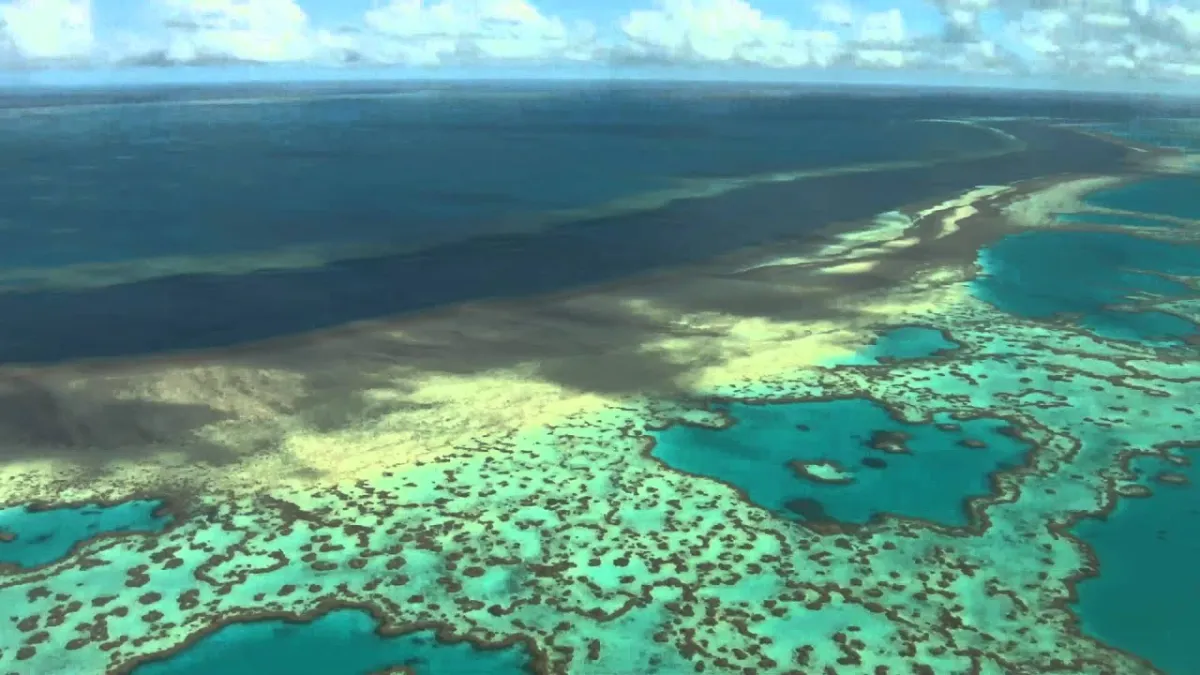
- Airlie Beach & the Whitsundays (1,100 km from Brisbane) — The crown jewel of the east coast. Book a 2-day/1-night sailing trip to Whitehaven Beach and Hill Inlet Lookout — regularly voted among the world's most beautiful beaches, and the aerial view of the swirling white sand and turquoise water at Hill Inlet is one of Australia's most iconic images. Airlie Beach itself has a free lagoon pool on the foreshore, a lively bar and restaurant scene, and excellent budget accommodation. Scenic helicopter flights over the reef and Heart Reef are expensive but unforgettable.
📍 For the full Brisbane to Cairns breakdown, see our Brisbane to Cairns road trip guide.
Section 4: Whitsundays to Cairns (600 km, 3–5 days)
The final stretch passes through tropical North Queensland — lush, humid, and increasingly exotic. The vegetation becomes noticeably more tropical with every kilometre north, and by the time you reach Cairns you are surrounded by thick tropical rainforest, mangrove estuaries, and the constant hum of the tropics. This is also where the Great Barrier Reef is at its most accessible and spectacular.
Key stops:
- Bowen (100 km from Airlie Beach) — A small mango-farming town with some of the best uncrowded beaches on the Queensland coast. Horseshoe Bay is stunning, and the murals around town celebrating Bowen's history are a quirky addition.
- Townsville (270 km from Airlie Beach) — Castle Hill panoramic viewpoint (drive or walk to the summit for 360-degree views over the city, coast, and Magnetic Island), Reef HQ Aquarium (world's largest living coral reef aquarium, with a living reef exhibit and turtle hospital). Take the 25-minute ferry to Magnetic Island — affectionately known as "Maggie" — for wild koalas on the Forts Walk (you are almost guaranteed sightings in the eucalyptus trees along the trail), hidden bays accessible only by foot, and atmospheric WWII gun emplacements overlooking the Coral Sea. Maggie deserves at least one night.
- Mission Beach (140 km from Townsville) — Where the Wet Tropics rainforest literally meets the Great Barrier Reef — one of only two places on the planet where two UNESCO World Heritage sites meet. This is prime cassowary territory — these enormous, prehistoric-looking flightless birds roam the forests and occasionally the beach itself. Keep your eyes peeled and drive slowly. White-water rafting on the Tully River (grade 3–4 rapids through pristine rainforest gorges) is one of the best adventure activities on the entire east coast.
- Atherton Tablelands (detour inland from Mission Beach) — A lush, elevated plateau with a completely different character to the coast. Millaa Millaa Falls (the postcard waterfall — the most photographed waterfall in Australia), Lake Eacham (swim in a crystal-clear volcanic crater lake surrounded by ancient rainforest), and the charming town of Yungaburra where you can spot platypus at dawn in Peterson Creek (a genuine highlight — wild platypus sightings are rare, and this is one of the most reliable spots in Australia). The Tablelands also have excellent food and coffee — look for the Gallo Dairyland, Skybury Coffee Plantation, and the Yungaburra Markets (fourth Saturday of the month).
- Cairns — The finish line and gateway to the Great Barrier Reef, Daintree Rainforest, and Cape Tribulation. Take a reef snorkelling or diving trip (day trips depart daily to multiple reef locations), walk the Esplanade Lagoon (a free saltwater swimming pool on the foreshore), explore the night markets, and celebrate completing one of the world's great road trips. If you have extra days, the drive north to Port Douglas and Cape Tribulation through the Daintree Rainforest is one of Australia's most spectacular journeys and the perfect finale to your east coast adventure.
Essential Campervan Tips
- One-way hire: Most brands offer one-way from Sydney or Brisbane to Cairns. One-way fees range from $200–$500 depending on direction and brand. Driving Cairns to Sydney often has cheaper (or free) one-way fees as companies need vans moved south. See our Brisbane to Cairns one-way guide for fee comparisons.
- Book activities early: Whitsunday sailing and Reef diving tours sell out weeks ahead during dry season (June–September). Lady Musgrave Island and Whitehaven Beach trips are particularly popular. Book at least 2 weeks ahead for peak season.
- Watch for stingers: October–May brings marine stingers (box jellyfish, irukandji) to north QLD beaches north of Gladstone. Swim only in netted areas or wear a stinger suit. Stinger nets are provided at most popular beaches in Queensland during stinger season.
- Crocodile awareness: North of Rockhampton, saltwater crocodiles inhabit estuaries, rivers, and some coastal areas. Never swim in rivers, creeks, or non-designated swimming areas in North QLD. Stick to patrolled beaches, lagoon pools, and known safe swimming holes.
- Fuel strategy: Some stretches between towns can be 200+ km, especially on the Bruce Highway in Central Queensland. Do not let your tank drop below half. Fuel is generally cheapest in larger towns (Coffs Harbour, Brisbane, Rockhampton, Townsville) and most expensive in small tourist towns and remote areas.
- Free camping apps: Download WikiCamps Australia for free and low-cost campsite locations along the entire route. The app includes user reviews, facilities information, and GPS coordinates. It is the most valuable app you will have on this trip.
- Pre-book popular campsites: Noosa, Airlie Beach, and Byron Bay fill up fast during peak season. In summer and Easter, book at least 4–6 weeks ahead for popular parks. K'gari (Fraser Island) camping permits must also be booked in advance through Queensland Parks.
- Phone coverage: Mobile reception is generally good along the coast but has black spots in rural Queensland, particularly between Bundaberg and Rockhampton and through the Atherton Tablelands. Telstra has the best regional coverage. Download offline maps before each long stretch.
Best Campervans for the East Coast
Budget-conscious travellers love the Jucy Crib Plus or Mighty Highball — affordable 2-berth vans with everything you need. For couples wanting more comfort, the Britz Hitop offers standing room and better kitchen facilities.
Families should look at 4-berth options like the Apollo Endeavour or Mighty Double Down. For the ultimate luxury, Maui motorhomes include full bathrooms and air conditioning.
📍 See our Sydney, Brisbane, or Cairns city guides for brand comparisons at each end of the route.
Planning your trip?
Compare campervan & motorhome hire prices across Australia: