Planning Your Sydney to Great Ocean Road Trip
The Great Ocean Road is Australia's most famous driving route — and combining it with a Sydney to Melbourne road trip creates one of the country's ultimate campervan adventures. By the time you reach the Twelve Apostles, you'll have driven through some of the best scenery in southeastern Australia.
There are two main approaches: drive the coastal route from Sydney to Melbourne first (5–8 days), then continue to the Great Ocean Road (2–3 days). Or take the faster inland route to Melbourne (1 day) and spend more time on the Great Ocean Road itself. Either way, this is a trip that combines New South Wales' beautiful coastline with Victoria's legendary surf coast, ancient rainforest, and dramatic limestone formations.
Why a Campervan Is the Best Way to Do This Trip
A Sydney to Great Ocean Road trip by campervan offers a level of freedom and flexibility that no other travel style can match. You're not locked into hotel bookings or bus schedules — you can linger at a stunning beach, add a detour to a national park, or spend an extra night somewhere that surprises you.
Picking up a campervan in Sydney and dropping it off in Melbourne (or vice versa) is easy with one-way hire. This means you don't need to backtrack, and you can cover the entire route at your own pace. Many travellers find that the journey between Sydney and Melbourne is actually more rewarding than either city — and the Great Ocean Road is the perfect grand finale.
Campervan parks and holiday parks are plentiful along the entire route, with most offering powered sites, hot showers, camp kitchens, and laundry facilities. Free camping is also available at certain rest stops and council reserves, though these are less common in popular tourist areas.
Getting from Sydney to the Great Ocean Road
Option 1: Coastal Route via Princes Highway (recommended)
This is the scenic choice and the one we strongly recommend. Drive south from Sydney through the Royal National Park, then continue through Wollongong and Kiama before reaching the stunning white sands of Jervis Bay. Keep heading south through Batemans Bay, Narooma (home to the famous Montague Island seal and penguin colony), and the Sapphire Coast with its pristine beaches and wildlife-rich forests.
Cross into Victoria and explore the Gippsland Lakes — Australia's largest inland waterway system — before detouring south to Wilsons Promontory National Park, the southernmost point of mainland Australia. "The Prom" is a hiking paradise with secluded beaches, crystal-clear water, and abundant wildlife including wombats, kangaroos, and echidnas.
Allow 5–8 days for the full coastal journey. See our complete Sydney to Melbourne guide for a detailed day-by-day breakdown.
Option 2: Inland via Hume Highway (faster)
If you're short on time, the Hume Highway gets you from Sydney to Melbourne in about 9 hours of driving. This frees up more days for exploring the Great Ocean Road and its hinterland. Along the way, consider a stop in Beechworth — a beautifully preserved gold rush town with excellent bakeries and Ned Kelly history — or the wine region of Rutherglen for world-class fortified wines.
It's efficient but you'll miss the spectacular NSW South Coast. The inland route works best if you only have 4–5 days total and want to spend most of your time on the Great Ocean Road itself.
Option 3: Mix Both Routes
A great compromise is to drive the inland Hume Highway to Melbourne (1 day), explore the Great Ocean Road (2–3 days), then return to Sydney via the coastal Princes Highway (4–5 days). This way you see everything without retracing your steps. You'll need a one-way campervan hire or a round trip from Sydney.
Great Ocean Road Highlights
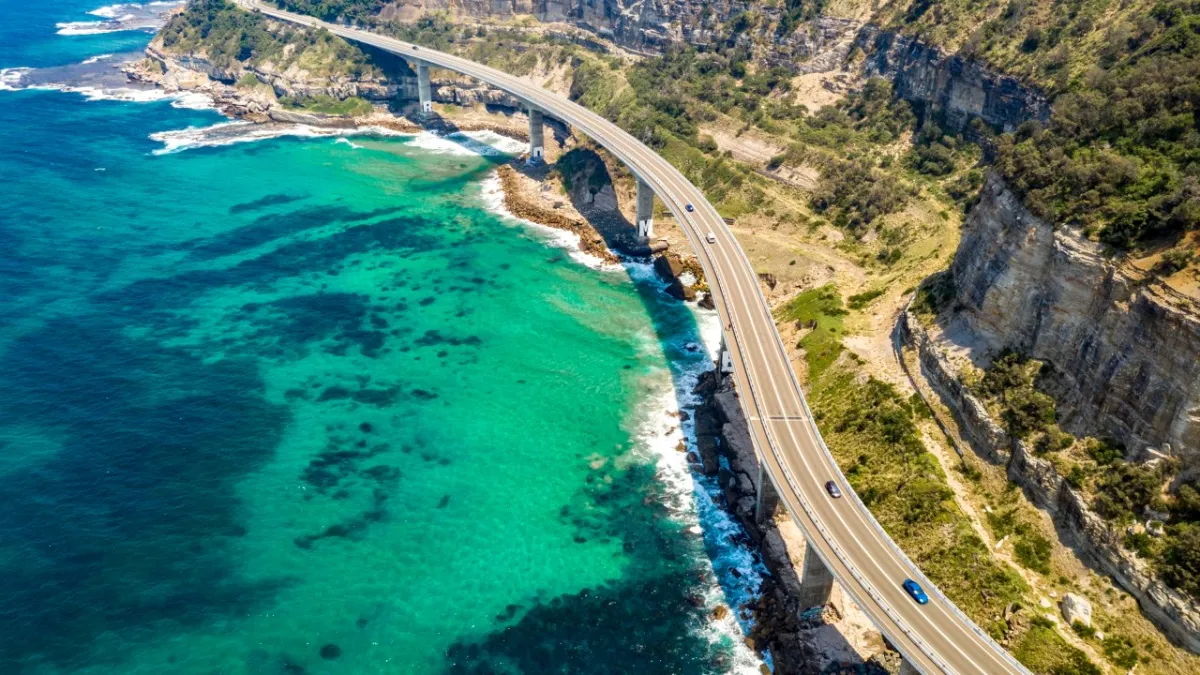
Once you reach the Great Ocean Road (starting at Torquay, 100 km southwest of Melbourne), the real magic begins. The road stretches 243 km along Victoria's southwestern coast, hugging clifftops, passing through rainforest, and revealing jaw-dropping rock formations carved by the relentless Southern Ocean.
- Bells Beach — Australia's most famous surf break, host of the Rip Curl Pro since 1961. Even if you don't surf, the clifftop viewing platform offers spectacular ocean views. The beach car park is campervan-friendly.
- Lorne — A charming seaside village with great cafes, a weekend farmers' market, and waterfalls in the hinterland. Walk the 3 km track to Erskine Falls through lush tree fern gullies, or try the longer Phantom Falls loop for fewer crowds.
- Kennett River Koalas — Pull over at Kennett River and look up — the eucalyptus trees along the Grey River Road are home to one of the densest wild koala populations in Victoria. Early morning is the best time, when they're most active.
- Apollo Bay — A relaxed fishing town and the gateway to the Otway rainforest. The Saturday farmers' market is excellent, and the bay itself is protected enough for swimming. Great fish and chips on the foreshore.
- Otway National Park — Ancient temperate rainforest with towering mountain ash trees, the Otway Fly treetop walk (25 metres above the forest floor), and a magical glow-worm walk in Melba Gully. The Maits Rest rainforest walk is a 30-minute loop through some of Victoria's oldest trees.
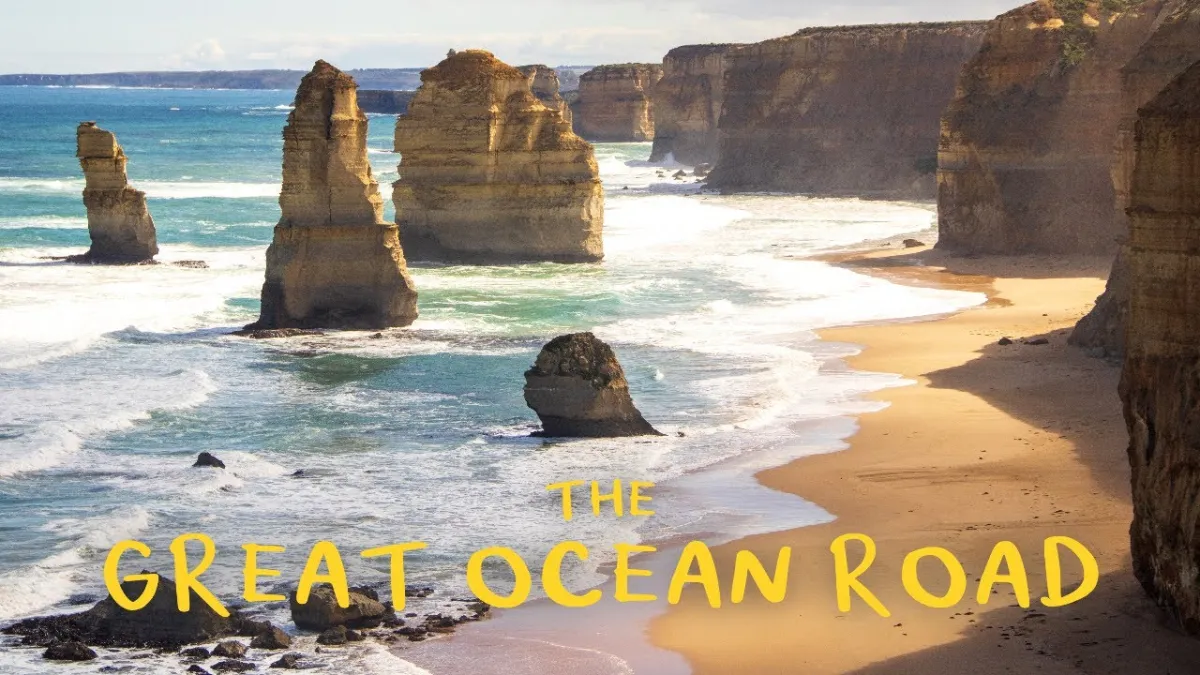
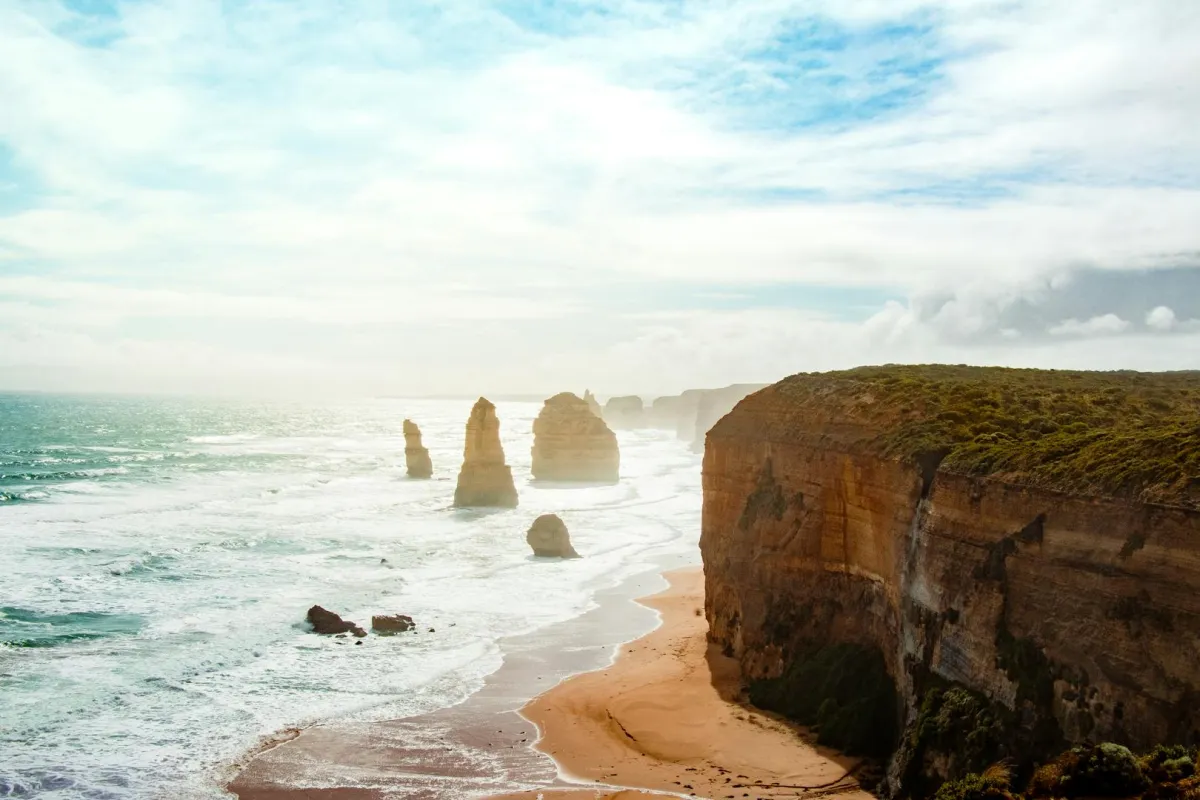
- Twelve Apostles — The iconic limestone stacks rising from the Southern Ocean, formed over 10–20 million years of erosion. Originally called "The Sow and Piglets" before being renamed for tourism in the 1920s. Only eight stacks remain (one collapsed in 2005). Visit at sunset for the best light, when the limestone glows golden-orange against the blue ocean.
- Loch Ard Gorge — Named after the clipper ship Loch Ard, which ran aground here in 1878 with only two survivors. The gorge is a deep, sheltered inlet with turquoise water and soaring cliffs — more intimate and less crowded than the Twelve Apostles.
- London Arch & The Grotto — Dramatic coastal rock formations just past the Twelve Apostles. London Arch was originally a double-arched bridge; the inner arch collapsed in 1990, stranding two tourists on the outer section (they were rescued by helicopter).
Tours & Experiences Along the Way
While the drive itself is the main attraction, there are some incredible guided experiences that can elevate your trip. Helicopter flights over the Twelve Apostles offer a perspective you simply can't get from the ground — seeing all the remaining stacks from above, plus the hidden beaches and caves along the coast, is unforgettable.
Wildlife encounters are another highlight. The Otway region is one of the best places in Australia to see koalas, king parrots, and echidnas in the wild. At nearby Phillip Island, the nightly penguin parade sees hundreds of little penguins waddle up the beach at sunset.
Best Campsites on the Great Ocean Road
There are excellent camping options along the entire route, ranging from fully-equipped holiday parks to basic bush camping:
- Torquay Foreshore Caravan Park — Right on the beach at the start of the Great Ocean Road. Powered sites from $45/night. Walking distance to town and Bells Beach is a 10-minute drive.
- BIG4 Beacon Resort, Queenscliff — A top-rated park near the Bellarine Peninsula with a pool, jumping pillow, and mini golf. Good base for exploring the eastern end of the Great Ocean Road.
- Wye River Foreshore Campground — A beautiful basic campground between Lorne and Apollo Bay, right on the beach under towering eucalyptus trees. Book ahead in summer — it fills fast.
- BIG4 Apollo Bay Pisces Holiday Park — Central location in Apollo Bay with all facilities. Powered sites from $50/night. Close to restaurants and the Saturday market.
- Johanna Beach Campground — A free, remote campground near the coast between Apollo Bay and the Twelve Apostles. Basic facilities only (pit toilets, no power) but stunning wild beach setting. Popular with surfers.
- Port Campbell Recreation Reserve — The closest camping to the Twelve Apostles, just 2 km away. Basic but well-maintained, with hot showers and a camp kitchen. Unpowered sites from $20/night.
- Princetown Recreation Reserve — A quiet alternative to Port Campbell, right near the Twelve Apostles and Loch Ard Gorge. Small, basic, and rarely full.
Campervan Tips for the Great Ocean Road
The Great Ocean Road is narrow and winding in sections, but it's perfectly manageable in a standard campervan if you take it steady. Here's what you need to know:
- Vehicle size: Standard campervans (under 6–7 metres) have no issues. Larger motorhomes over 7.5 metres may face restrictions on certain tight bends — check VicRoads for current vehicle restrictions before departure.
- Driving etiquette: Drive slowly and pull over to let faster traffic pass. There are regular pullover points marked with signs. Tailgating is a major source of frustration on the Great Ocean Road, so be courteous.
- Busiest times: Weekends and school holidays (especially December–January) see heavy traffic. If possible, travel midweek for a more relaxed experience. The Twelve Apostles visitor centre can get very crowded between 11am–3pm on peak days.
- Fuel: Fill up at Torquay, Lorne, or Apollo Bay. Once past Apollo Bay heading towards the Twelve Apostles, the next fuel is Port Campbell (a small town). Don't let your tank drop too low.
- Weather: The Great Ocean Road can be dramatically different in different seasons. Summer (December–February) brings warm days and long evenings. Winter (June–August) is colder and stormier, but the wild ocean is spectacular and accommodation is cheaper. The Southern Ocean weather can change quickly at any time of year — pack layers even in summer.
- Provisions: Stock up on groceries in Torquay, Lorne, or Apollo Bay. Smaller towns like Port Campbell and Princetown have limited shopping options.
Budget Breakdown
A rough guide to daily costs for two people travelling by campervan on a moderate budget:
- Campervan hire: $80–$150/day depending on vehicle and season
- Fuel: $30–$50/day
- Camping: $20–$55/night (mix of free camps and holiday parks)
- Food: $40–$60/day (cooking in the campervan with occasional cafe meals)
- Activities: $0–$50/day (many highlights are free; budget for Otway Fly, helicopter flights, etc.)
Overall, expect around $200–$350/day for two people. The Great Ocean Road itself is free to drive — there are no tolls.
Best Time to Visit
The Great Ocean Road is a year-round destination, but the sweet spot is October to April. Spring (October–November) brings wildflowers and whale watching season (southern right whales and humpbacks migrate along this coast). Summer is warm and long — perfect for beach stops and evening BBQs. Autumn (March–April) offers mild weather, smaller crowds, and beautiful golden light for photography.
Winter (June–August) is dramatically beautiful — enormous waves crash into the cliffs, the rainforest is lush and misty, and accommodation prices drop significantly. If you don't mind cooler temperatures, winter is a genuinely wonderful time to drive the Great Ocean Road.
Extending Your Trip
If you have extra time after the Great Ocean Road, consider continuing west towards Warrnambool (whale nursery from June–September) or all the way to Adelaide via the Great Southern Touring Route. Alternatively, loop back through the Grampians National Park — a spectacular mountain range with Aboriginal rock art, wildflowers, and challenging hikes.
For experiences in Melbourne and beyond, Dundee Adventure's Melbourne page has a great range of tours covering wildlife, wine regions, and cultural experiences — and remember, CamperCompare customers get 10% off.
Planning your trip?
Compare campervan & motorhome hire prices across Australia: