Why take the inland route?
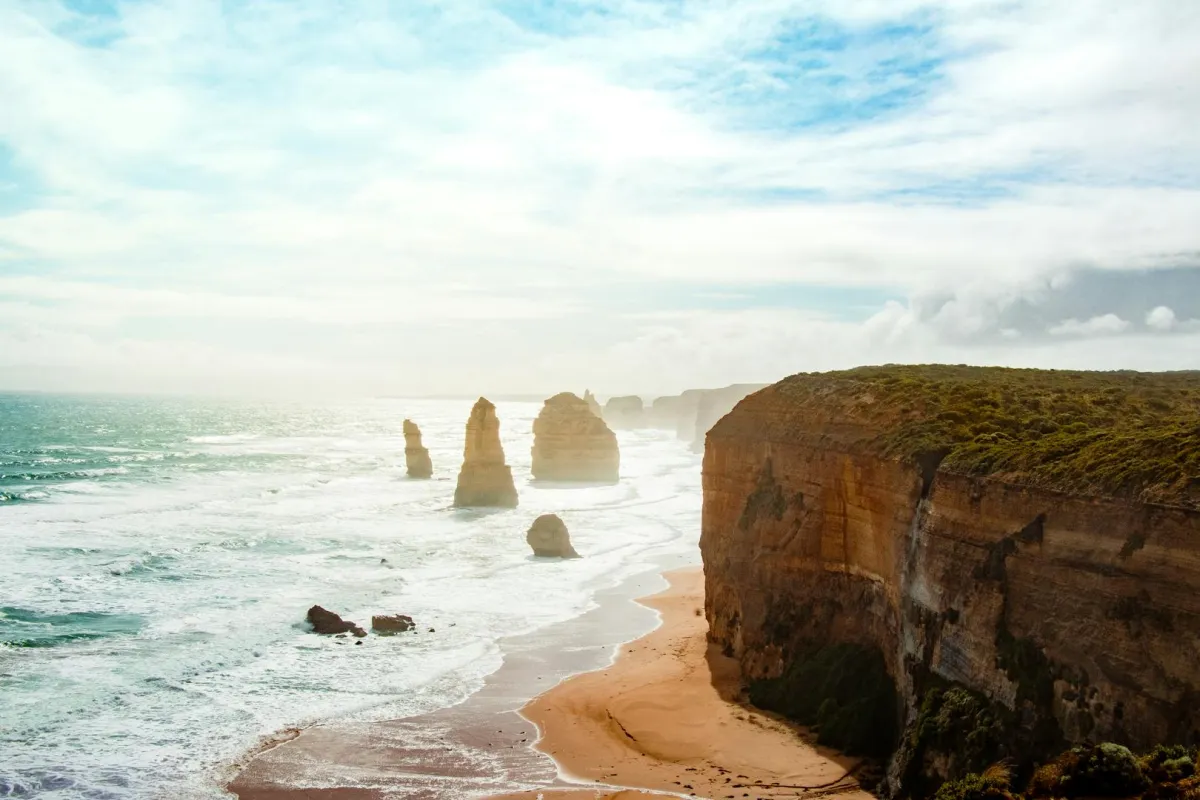
Most people doing a melbourne to adelaide campervan trip default to the Great Ocean Road. It's spectacular — no argument there. But it's also busy, the powered sites book out months ahead in summer, and the narrow cliff-hugging sections between Lorne and Apollo Bay can feel genuinely stressful in a 6-metre motorhome. The inland alternative through the Grampians, the Limestone Coast and the Coorong is quieter, cheaper to camp along, and frankly more varied. You get ancient sandstone ranges, a volcanic crater lake you can swim in, one of Australia's most underrated coastal wilderness areas, and a gentle finish through the Fleurieu Peninsula vineyards. Total driving distance is roughly 900 kilometres, which is actually slightly shorter than the coastal route.
If you've already done the coast or you're planning to return that way, this guide is for you. And if you want to compare both options side by side, our guide to Adelaide to Melbourne via the Great Ocean Road covers the coastal classic in full detail.
Picking up your campervan in Melbourne
Before you hit the road, you need the right vehicle. Most operators — Apollo, Britz, Maui, Jucy, Travellers Autobarn, Camperman, Mighty, Cheapa Campa, Star RV, Lets Go — have Melbourne depots in the northern or western suburbs, not in the CBD. Pickup is rarely at the airport itself, so factor in a shuttle or rideshare from the terminal. Our Melbourne Airport campervan pickup guide walks through exactly how each operator handles transfers so you're not caught out on day one.
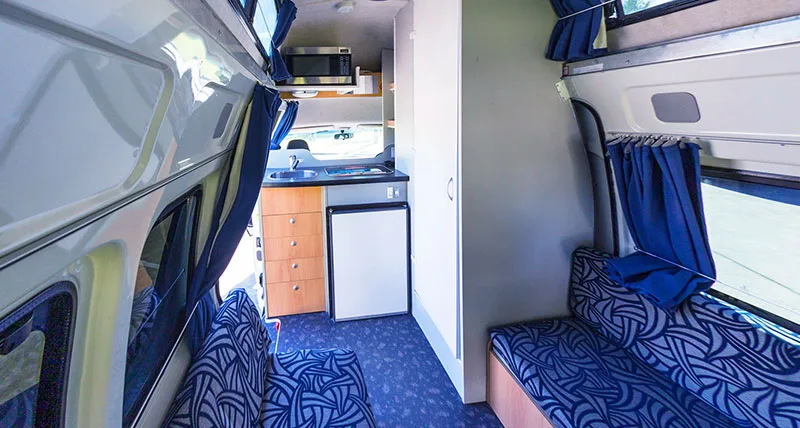
For this inland route, a two-berth campervan (think Jucy Condo or Travellers Autobarn Hippie) is perfectly manageable. If you're travelling as a family or want a fixed bed and a proper kitchen, step up to a 4-berth motorhome from Apollo, Britz or Maui. One-way hire from Melbourne to Adelaide typically carries a relocation fee of $0–$150 depending on the operator and season — sometimes operators are desperate to move vehicles west and will offer the one-way free or even subsidised. Check what's available on CamperCompare's Melbourne hire page to see current operator availability and compare specs side by side.
Budget roughly $90–$180 per day for a two-berth in shoulder season (March–May, September–November) and $150–$280 per day in peak summer. Those figures are indicative — actual pricing shifts constantly with availability. For a deeper look at depot locations and what to check before you sign anything, see our Melbourne campervan hire depot guide.
The route at a glance
| Leg | From → To | Distance | Drive time | Highlight |
|---|---|---|---|---|
| 1 | Melbourne → Halls Gap | ~260 km | 2.5–3 hrs | Grampians National Park |
| 2 | Halls Gap → Naracoorte | ~230 km | 2.5 hrs | Naracoorte Caves World Heritage Area |
| 3 | Naracoorte → Mount Gambier | ~90 km | 1 hr | Blue Lake, Umpherston Sinkhole |
| 4 | Mount Gambier → Meningie (Coorong) | ~230 km | 2.5 hrs | Coorong National Park |
| 5 | Meningie → Adelaide via Fleurieu | ~160 km | 2–2.5 hrs | McLaren Vale, Victor Harbor |
Total: approximately 970 km over five days minimum. Seven to ten days is more comfortable and lets you actually walk the Grampians rather than just photograph them from the car park.
Leg 1: Melbourne to Halls Gap (260 km)
Head west out of Melbourne on the Western Ring Road, pick up the Western Freeway through Ballarat, then swing north-west on the A8 toward Stawell. The drive is easy and mostly flat until the Grampians range rises out of the wheat plains like a red sandstone wall — it's a genuinely dramatic arrival.
Halls Gap is the main service town inside the park. It has a supermarket (small, prices reflect the location), a handful of cafes, and a servo. Stock up in Ballarat if you want better variety and lower prices. The Grampians YHA and Halls Gap Lakeside Tourist Park both take campervans; powered sites run around $40–$55 per night for two people. The free-camp options inside the national park (Plantation Campground, Borough Huts) are basic but beautiful — pit toilets, no power, bookings through the Parks Victoria app, around $13–$17 per site per night.
Spend at least two nights here. The Pinnacle walk (4.4 km return, moderate) gives you the best panoramic view in the Grampians. MacKenzie Falls is a 30-minute return walk and one of Victoria's largest waterfalls. Boroka Lookout is accessible by sealed road and worth it at sunrise. Watch for kangaroos in the campground at dusk — they're everywhere and completely unbothered by humans.
Leg 2: Halls Gap to Naracoorte (230 km)
Cross into South Australia on the Wimmera Highway through Horsham (good fuel stop) and continue south through the flat agricultural land of the Tatiara district. Naracoorte is a small regional town that punches well above its weight thanks to the Naracoorte Caves — a UNESCO World Heritage Site and one of the world's most significant fossil deposits. The cave tours run daily and cost around $25–$35 per adult depending on which cave you choose. The Wonambi Fossil Centre inside the park is worth an hour of your time.
Naracoorte Caves Conservation Park has a campground directly at the site — powered sites around $35–$45 per night. It's genuinely convenient and the night sky out here is excellent.
Leg 3: Naracoorte to Mount Gambier (90 km)
This is a short driving day, which is the point. Mount Gambier sits on the edge of an extinct volcano and the Blue Lake — which turns a vivid cobalt blue between November and March — is one of those things that looks like a postcard but is actually real. The colour change is caused by calcium carbonate crystals forming on the lake walls as water temperature rises. There's a 3.6 km walking trail around the rim.
The Umpherston Sinkhole is a sunken garden inside a collapsed cave system, free to visit, and genuinely strange in the best way. It's lit up at night and possums come out to feed — families love it.
For camping, the Mount Gambier Lakeside Holiday Park sits right on the Blue Lake precinct. Powered sites around $45–$60 per night. The town has good supermarkets, a Bunnings, and all the supplies you'd need before heading into the more remote Coorong stretch.
Leg 4: Mount Gambier to Meningie via the Coorong (230 km)
Drive north on the Princes Highway through Millicent and Robe — Robe is worth a 45-minute detour for coffee and a walk along the beach — then continue through Kingston SE and into the Coorong. The Coorong is a 130-kilometre-long coastal lagoon system separated from the Southern Ocean by the Younghusband Peninsula. It's remote, flat, and quietly extraordinary. Pelicans, black swans, and migratory wading birds in numbers that are hard to comprehend.
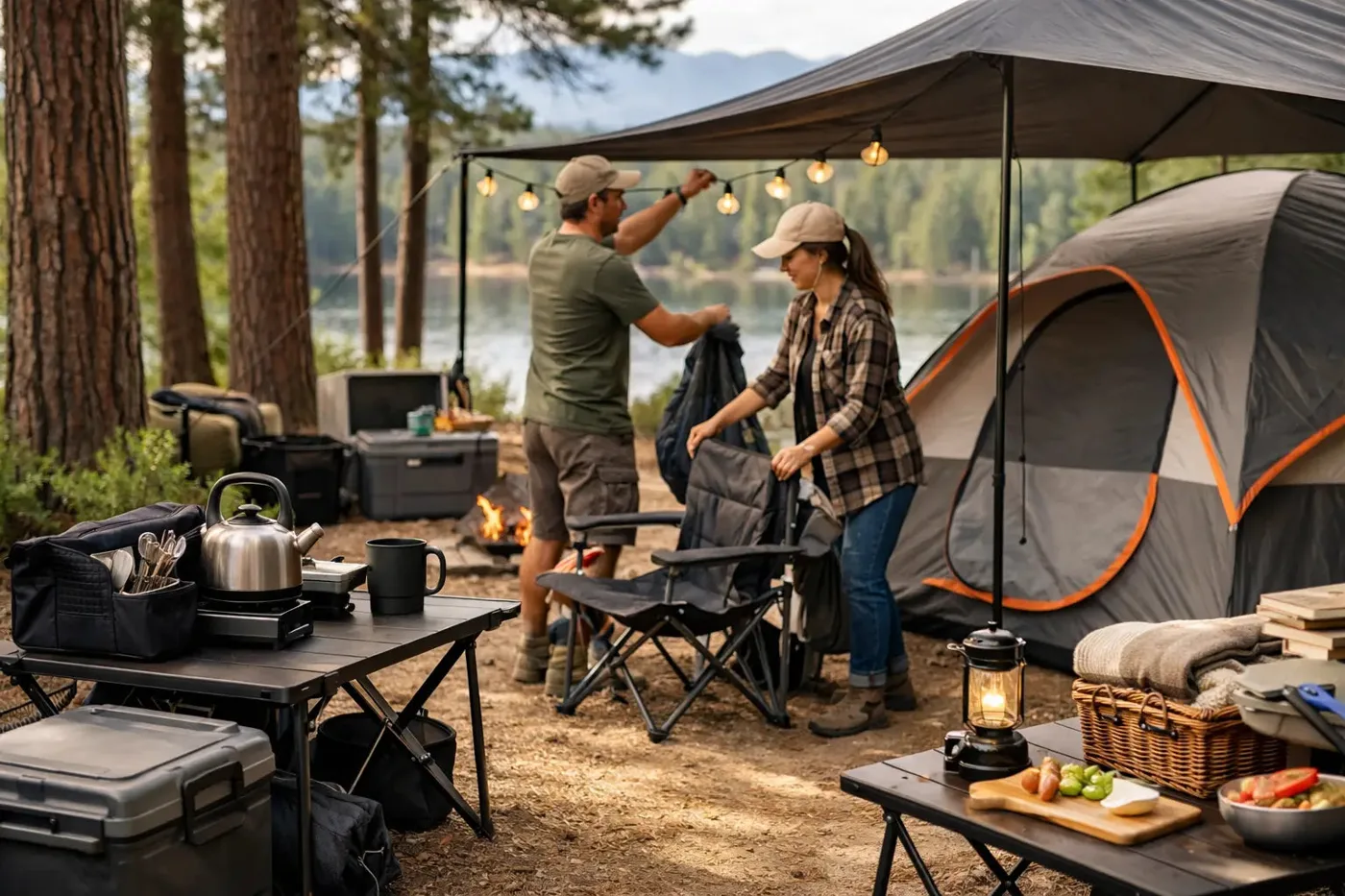
Camp at Coorong National Park's 42 Mile Crossing or Salt Creek campgrounds — basic sites, around $13–$22 per night through the SA National Parks booking system. There's no powered camping inside the park, so make sure your campervan's leisure battery is in good shape. Most modern hire vehicles from Apollo, Britz or Maui will handle a night or two off-grid without issue; smaller budget vans from Cheapa Campa or Mighty may need a top-up sooner.
Meningie, at the northern end of the Coorong, has a caravan park with powered sites and a pub that does solid counter meals. It's a good base for a morning kayak on the lagoon before the final push to Adelaide.
Leg 5: Meningie to Adelaide via the Fleurieu Peninsula (160 km)
You could drive straight up the South Eastern Freeway and be in Adelaide in under two hours. Or you could swing west through the Fleurieu Peninsula and finish the trip properly. Victor Harbor is a classic South Australian seaside town — horse-drawn tram to Granite Island, good fish and chips, easy foreshore parking for campervans. McLaren Vale is 40 minutes north and one of Australia's best shiraz regions; most cellar doors open from 10am and many have picnic areas where you can park a motorhome without issue.
Drop your vehicle at the Adelaide depot — most operators are in the inner suburbs of Keswick or near the airport. Return the van clean and with a full gas bottle to avoid extra charges; this catches people out more than almost anything else.
Best time to do this route
March to May is the sweet spot. The Grampians wildflowers are finishing, the heat has dropped, campgrounds are quieter, and the Blue Lake is still blue (it turns grey-green by April but remains striking). September to November works well too — wildflowers in the Grampians peak in September and October. Summer (December–February) is hot, fire risk in the Grampians can be significant, and popular campgrounds book out weeks ahead. Winter is cold but uncrowded; the Grampians can get frost and occasional snow on the higher peaks.
Practical tips and common gotchas
- One-way fees: Always confirm the one-way relocation fee in writing before you book. Some operators waive it entirely on the Melbourne–Adelaide corridor; others charge up to $200. This is one of the most useful things to compare upfront.
- Fuel: Halls Gap, Naracoorte, Mount Gambier and Meningie all have servos. Don't leave Halls Gap with less than half a tank if you're heading to remote Grampians campgrounds.
- Bookings: Parks Victoria and SA National Parks both require advance bookings for campgrounds, especially in school holidays. Book before you leave Melbourne.
- Road conditions: All roads on this route are sealed and suitable for standard 2WD campervans. No 4WD required.
- Kangaroos: Avoid driving at dawn and dusk in rural Victoria and SA. Kangaroo strikes are the most common cause of serious campervan damage on inland routes. Check your hire agreement for how animal strikes are handled — excess can be $3,000–$7,500 depending on the operator and cover level you've chosen.
- Grey water: Don't dump grey water on the ground in national parks. Use dump points — there are free ones in Halls Gap, Mount Gambier and most caravan parks along the route.
How this route compares to the Great Ocean Road
If you're weighing up both options, our one-way Melbourne to Adelaide campervan guide via the Great Ocean Road covers the coastal route in detail. The short version: the coast is more dramatic in short bursts but more stressful to drive in a large vehicle; the inland route is easier, cheaper to camp, and gives you more genuine wilderness time. Many travellers do one direction each way — coast one way, Grampians the other — which is a very solid plan if you have the time.
Planning a longer trip? Our Melbourne to Adelaide road trip overview covers both routes and helps you decide which suits your timeline and travel style.
Planning your trip?
Compare campervan & motorhome hire prices across Australia: