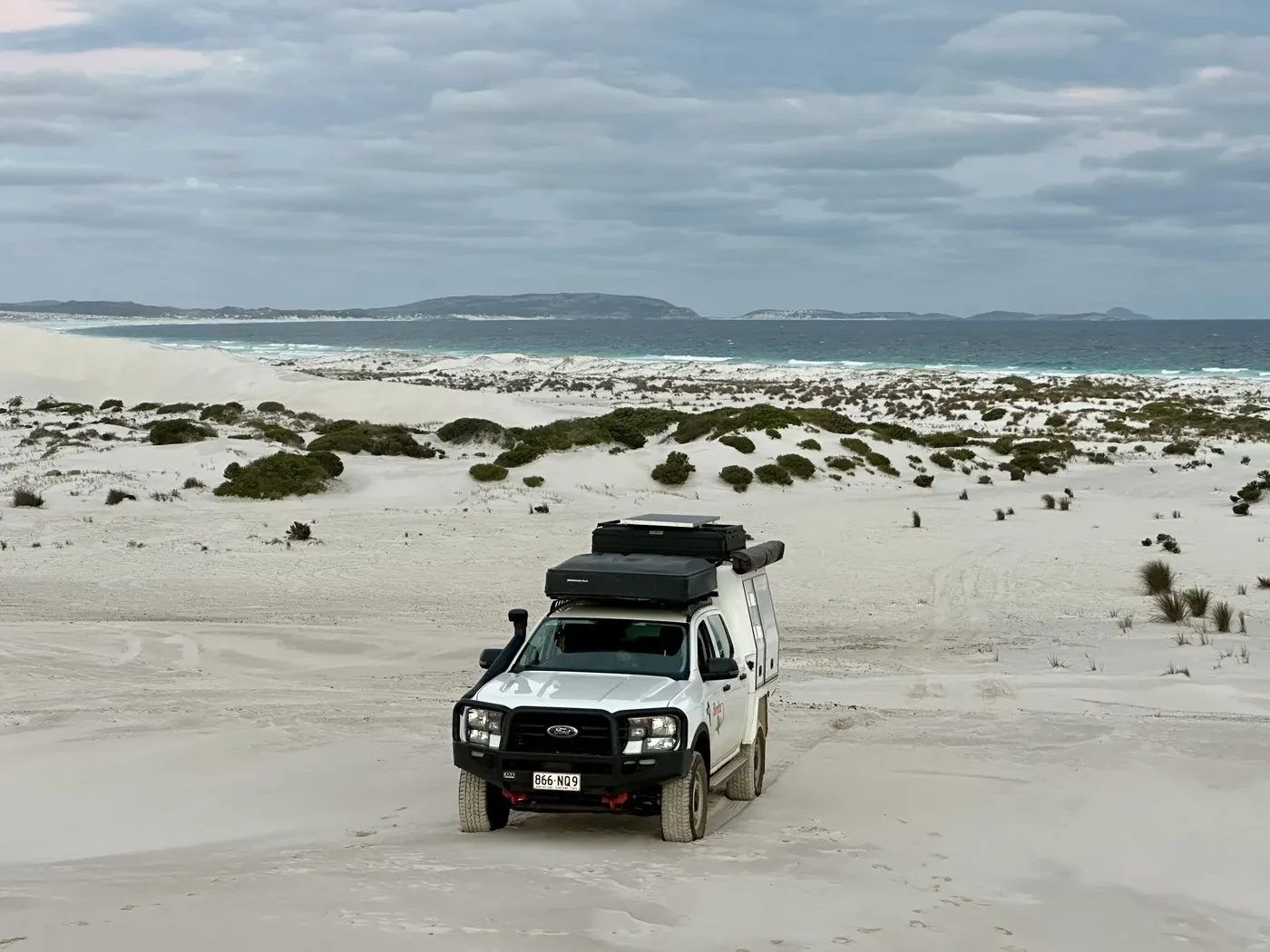
Why Drive the Coral Coast?
The stretch of highway between Perth and Exmouth is one of Australia's great drives — roughly 1,270 kilometres of Indian Ocean coastline, limestone pinnacles, turquoise bays and some of the best snorkelling on the planet. Unlike the east coast, it's genuinely uncrowded for most of the year, and a campervan is the most practical way to do it. You can pull up at a beachside camp, wake up ten metres from the water, and move on whenever you're ready. No check-out times, no booking three hotels in a row.
If you're weighing up other Australian road trips — the Great Ocean Road or a Brisbane to Cairns run are classics — the Coral Coast holds its own for sheer natural spectacle. But it does require a bit more planning around fuel stops, water and seasonal timing. This guide covers all of that.
Before You Leave Perth: Hiring the Right Vehicle
Most operators pick up from Perth Airport or nearby depots. For a trip of this length, a 2-berth campervan (think Toyota HiAce-style) is the sweet spot for a couple — easy to park, reasonable on fuel, and enough storage for two weeks of gear. Families or groups of three or four should look at a 4-berth or 6-berth motorhome, though fuel costs climb noticeably.
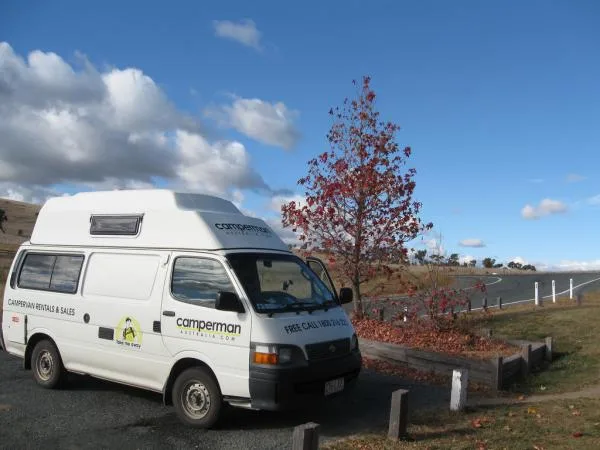
Operators running vehicles out of Perth include Apollo, Britz, Maui, Jucy, Travellers Autobarn, Camperman, Mighty, Cheapa Campa, Star RV and Lets Go. Prices vary significantly by season and vehicle class — a basic 2-berth in shoulder season might run $90–$140/day, while a premium 4-berth in peak season (April–September) can push $250–$350/day. The easiest way to see what's actually available on your dates is to compare campervan hire in Perth on CamperCompare, which pulls live availability across the major operators in one place.
For a deeper look at vehicle classes, depot locations and what's included in WA hire packages, the Campervan Hire Perth guide is worth reading before you book.
The Route at a Glance
| Leg | From → To | Distance | Drive Time | Key Stop |
|---|---|---|---|---|
| 1 | Perth → Cervantes | ~245 km | 2.5 hrs | Pinnacles Desert |
| 2 | Cervantes → Geraldton | ~330 km | 3.5 hrs | Jurien Bay, Dongara |
| 3 | Geraldton → Kalbarri | ~155 km | 1.75 hrs | Kalbarri National Park |
| 4 | Kalbarri → Monkey Mia | ~340 km | 3.5 hrs | Shark Bay, Hamelin Pool |
| 5 | Monkey Mia → Carnarvon | ~360 km | 3.75 hrs | Shell Beach, Carnarvon |
| 6 | Carnarvon → Coral Bay | ~230 km | 2.5 hrs | Coral Bay snorkelling |
| 7 | Coral Bay → Exmouth | ~150 km | 1.75 hrs | Cape Range National Park |
Total driving distance: approximately 1,810 km including detours. Allow 12–16 days to do it properly without feeling rushed.
Day-by-Day Itinerary
Day 1–2: Perth to Cervantes (245 km)
Head north on the Brand Highway and you'll reach Cervantes in under three hours. The town itself is small and relaxed — grab fresh crayfish from the local co-op if you're there between November and June. The main reason to stop is Nambung National Park and the Pinnacles Desert, where thousands of limestone spires rise from yellow sand. Go at sunrise or late afternoon to avoid tour buses and get the best light. Entry to the park costs around $17 per vehicle (WA Parks pass applies).
Camp: Cervantes Holiday Park has powered and unpowered sites from around $35–$55/night. It's tidy, has good amenities and is walking distance to the beach.
Day 3: Cervantes to Geraldton via Jurien Bay (330 km)
Break the drive at Jurien Bay for a swim or a coffee. The town has a good IGA if you need to restock. Dongara-Port Denison is another worthwhile stop — the heritage streetscape is genuinely pretty and there's a decent bakery. Geraldton is the largest regional city on this route and a good place to do a proper supermarket shop, fill the gas bottle and check your tyres before the more remote sections ahead.
Camp: Geraldton has several options. Sunset Beach Holiday Park sits right on the water and has powered sites from around $45–$65/night. The HMAS Sydney II Memorial is worth an hour of your time while you're in town.
Day 4–5: Geraldton to Kalbarri (155 km)
Kalbarri is where the scenery starts to feel genuinely dramatic. Kalbarri National Park has two main areas: the coastal cliffs (Red Bluff, Natural Bridge, Z-Bend) and the inland gorges. The Skywalk at Nature's Window is worth the walk — it extends over the Murchison Gorge and the views are extraordinary. Allow a full day here minimum.
Camp: Kalbarri Tudor Holiday Park or Kalbarri Anchorage Caravan Park both have powered sites from around $40–$60/night. Book ahead in peak season (April–September) — Kalbarri fills up fast.
Day 6–7: Kalbarri to Monkey Mia (340 km)
This is a longer driving day, but break it at Hamelin Pool to see the stromatolites — living microbial mats that are among the oldest life forms on Earth. It sounds dry on paper; in person it's genuinely strange and worth the short boardwalk. Shell Beach, made entirely of tiny cockle shells metres deep, is another stop that photographs badly and impresses in real life.
Monkey Mia is the highlight of Shark Bay. Wild bottlenose dolphins come into the shallows most mornings around 7:30–8am. Entry to the Monkey Mia reserve costs around $16 per adult. Get there early — the first feeding is usually the best.
Camp: Monkey Mia Dolphin Resort has the only camping right at the reserve — powered sites run around $50–$75/night. It books out weeks ahead in peak season. Denham (26 km back) has more options if you miss out.
Day 8: Monkey Mia to Carnarvon (360 km)
Carnarvon sits at the mouth of the Gascoyne River and is the fruit and vegetable bowl of WA. The roadside stalls selling bananas, tomatoes and mangoes (in season) are genuinely good value — stock up. The One Mile Jetty is a pleasant afternoon walk, and the Heritage Precinct has a small but interesting space history museum (Carnarvon had a NASA tracking station during the Apollo program).
Camp: Carnarvon Caravan Park or Wintersun Caravan Park both have powered sites from around $38–$55/night. Fuel up here — it's cheaper than Coral Bay.
Day 9–10: Carnarvon to Coral Bay (230 km)
Coral Bay is a single-street town at the southern end of Ningaloo Reef, and it punches well above its size. The snorkelling directly off the beach is exceptional — you can walk in from the sand and be over coral in minutes. Manta ray tours run year-round (around $120–$160/person), and whale shark tours operate from March to July (around $380–$430/person). Book these ahead; they sell out.
Camp: Peoples Park Caravan Village is the main option in Coral Bay — powered sites from around $55–$80/night. It's busy and a bit cramped in peak season, but the location is hard to beat. There's no free camping in or near Coral Bay.
Day 11–14: Coral Bay to Exmouth and Cape Range (150 km)
Exmouth is the base for Cape Range National Park and the northern section of Ningaloo Reef. The park entry fee is around $17 per vehicle. Turquoise Bay is the standout beach — drift snorkel along the reef edge and the fish life is extraordinary. Oyster Stacks and Lakeside are excellent alternatives when Turquoise Bay is crowded.
If you're visiting between March and July, whale shark tours depart from Exmouth as well as Coral Bay. The Exmouth operators (including Ningaloo Whale Sharks and Three Islands Whale Shark Dive) tend to have slightly larger boats. Budget $380–$450/person.
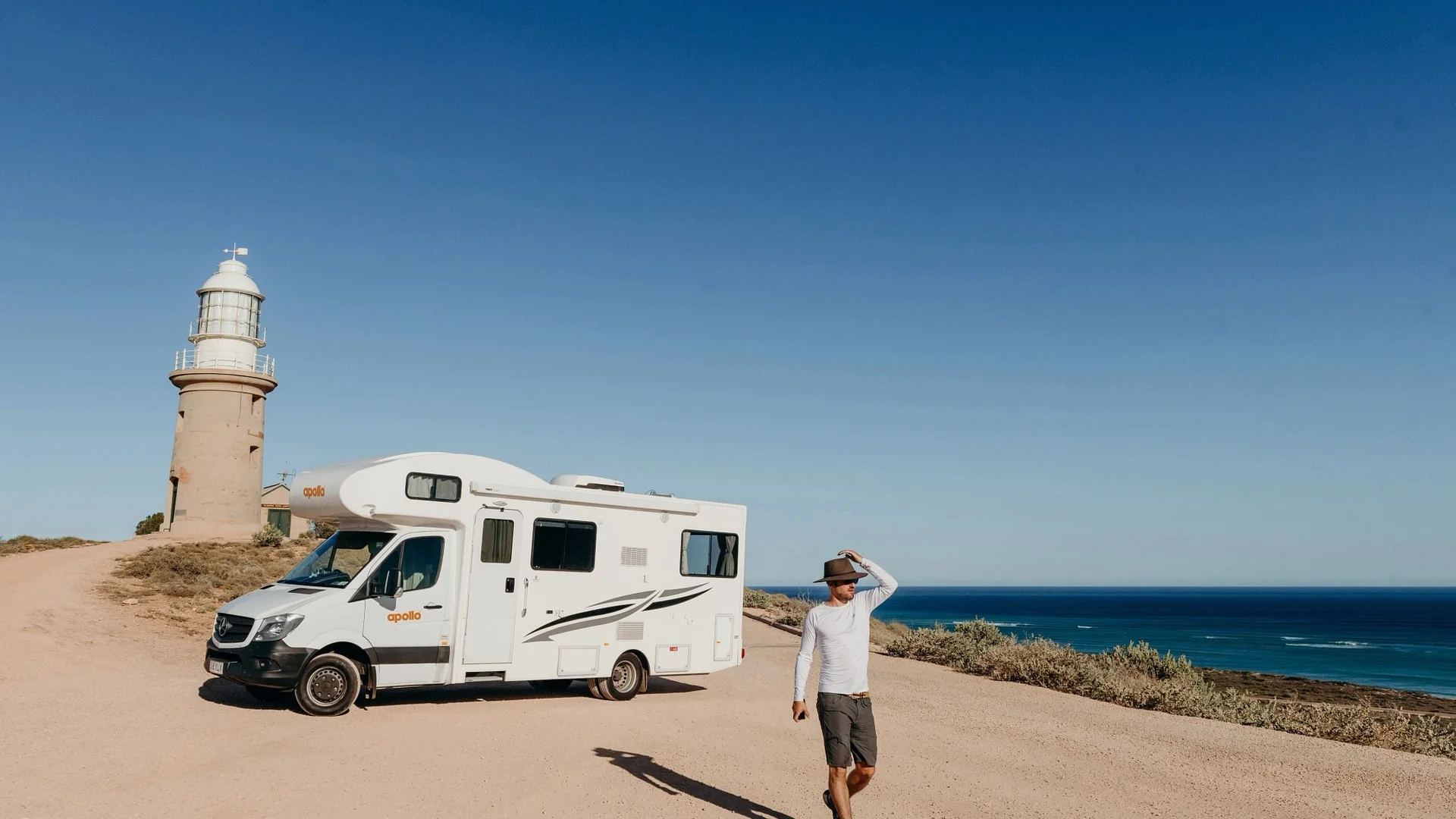
Allow at least three nights here. The sunsets from Vlamingh Head Lighthouse are worth the drive up the dirt track.
Camp: Camping inside Cape Range National Park is the goal — sites at Turquoise Bay, Oyster Stacks and Lakeside cost around $11–$13 per adult per night and must be booked through the DPaW online system well in advance (they open 12 weeks ahead and go fast). Exmouth town has several caravan parks including RAC Exmouth Cape Holiday Park, with powered sites from around $60–$90/night.
Best Time to Go
April to October is the sweet spot. Temperatures are comfortable (25–32°C), the whale sharks are around from March, and the manta rays are active. Avoid December to February — it's cyclone season, temperatures regularly exceed 40°C, and some parks and tours close. The Coral Coast is genuinely a winter road trip destination, which is part of what makes it so appealing to southern Australians.
Practical Gotchas
- Fuel gaps: Between Carnarvon and Coral Bay there are no fuel stops. Fill up in Carnarvon. Exmouth fuel is expensive — fill before you leave Carnarvon or Coral Bay if possible.
- Water: Many campgrounds in Cape Range have no potable water. Carry at least 20 litres extra.
- Bookings: Cape Range campsites open 12 weeks in advance and sell out within hours for peak dates. Set a calendar reminder.
- Road conditions: The Brand and North West Coastal Highways are sealed all the way. Detours into gorges or coastal tracks may require a 2WD-friendly high-clearance vehicle — check before you go. Most standard campervans handle the main route fine.
- One-way hire fees: If you're flying home from Exmouth (Learmonth Airport), check one-way drop-off fees with your operator. Some charge $300–$600+ for a Perth-to-Exmouth one-way. Comparing operators on CamperCompare before you book can save you a meaningful amount here.
Other WA and Australian Road Trips Worth Considering
If the Coral Coast has you thinking about more WA driving, the best WA coastal road trips guide covers routes from the South West to the Kimberley. For something completely different, a Tasmania campervan lap is one of the most rewarding trips in the country for a different kind of scenery. East coasters might also look at the Brisbane to Cairns itinerary for a tropical alternative.
Planning your trip?
Compare campervan & motorhome hire prices across Australia: