Why Four Days Is the Minimum
Most people who've done the Great Ocean Road in two days will tell you the same thing: they wish they'd taken longer. The road between Torquay and Allansford covers roughly 243 kilometres, but the distance is almost irrelevant. It's the stops, the detours, the morning light on the cliffs, and the sheer number of genuinely good things to do that eat your time — in the best possible way.
A rushed two-day itinerary means you're driving past things you should be walking to, and you're hitting the Twelve Apostles at midday when the light is flat and the car park is full. Four days gives you breathing room. You can actually use the campervan the way it's meant to be used: wake up somewhere beautiful, make coffee, go for a walk before the day-trippers arrive, and move on when you feel like it.
If you're coming from further afield, our guide on the Great Ocean Road from Sydney covers how to structure the broader trip, and if you're thinking about continuing west, the Adelaide to Melbourne via the Great Ocean Road guide is worth a read before you book.
Picking Your Campervan: What Actually Matters on This Road
The Great Ocean Road is sealed the whole way, so you don't need a 4WD or a high-clearance vehicle. What you do need is something that fits in the car parks — some of the lookout stops are tight, and a large A-class motorhome will cause you grief at a few of them. A campervan in the 5–6 metre range (think a Jucy Condo, Travellers Autobarn Hitop, Mighty Double Up, or a Cheapa Campa two-berth) is the sweet spot for this route.
If you want to stay in national park campgrounds and need to be self-contained, check whether your vehicle has a cassette toilet. Operators like Apollo, Britz, Maui, and Star RV offer self-contained options, while budget brands like Jucy and Camperman have models without onboard toilets — fine if you're sticking to powered sites, but limiting in the parks.
You can compare campervan hire in Melbourne across all the major operators on CamperCompare to see what's available for your dates and budget. Prices for a two-berth campervan out of Melbourne typically range from around $90–$160 per day in shoulder season and $150–$250+ per day in peak summer (December–January), depending on the operator and vehicle type.
The Route at a Glance
| Day | From → To | Approx. Drive | Key Stops | Where to Camp |
|---|---|---|---|---|
| Day 1 | Melbourne → Lorne | 140 km / ~2 hrs | Torquay, Bells Beach, Anglesea, Aireys Inlet | Erskine Falls Tourist Park or Queens Park Camping |
| Day 2 | Lorne → Apollo Bay | 45 km / ~1 hr | Kennett River koalas, Cape Patton lookout | Apollo Bay Pisces Holiday Park or Marengo Holiday Park |
| Day 3 | Apollo Bay → Port Campbell | 95 km / ~1.5 hrs | Otway Fly, Melba Gully, Twelve Apostles (sunrise) | Port Campbell Holiday Park |
| Day 4 | Port Campbell → Warrnambool (or Port Fairy) | 70 km / ~1 hr | Loch Ard Gorge, The Arch, London Bridge, Bay of Islands | Warrnambool Holiday Park or Port Fairy Holiday Park |
Day 1: Melbourne to Lorne (140 km)
Pick up your campervan from Melbourne — most operators have depots in the CBD fringe or near the airport — and aim to be on the road by 8am. The Princes Freeway to Geelong is fast and dull; the good stuff starts at Torquay. Stop here for fuel and groceries at the Torquay IGA before you hit the coast road, because supermarket options thin out quickly once you're past Lorne.
Bells Beach is worth a 20-minute stop even if the surf is flat. Walk down to the sand, look at the cliffs, and move on. Anglesea has a good bakery and a golf course famous for its resident kangaroos — genuinely worth a look. Aireys Inlet's Split Point Lighthouse is free to walk around and gives you your first proper sense of the coastline ahead.
Lorne is your base for the night. Queens Park Camping Area sits right in town and costs around $40–$55 per night for a powered site — book well ahead in summer through Parks Victoria. Erskine Falls is a 30-minute walk from the campground and is best done in the late afternoon when the day-trippers have left.
Day 2: Lorne to Apollo Bay (45 km)
This is the shortest driving day and deliberately so. The stretch between Lorne and Apollo Bay is arguably the most dramatic section of the entire road — cliffs dropping straight to the ocean, hairpin bends, and almost no flat ground. Take it slowly.
Kennett River is a must-stop. Walk up Grey River Road for about 15 minutes and you'll find koalas in the manna gums above your head, often at arm's reach. It's one of the most reliable koala-spotting spots in Victoria and it costs nothing. Cape Patton lookout, a few kilometres further on, gives you a sweeping view back towards Lorne that's worth the two-minute detour.
Apollo Bay is a proper town with a good IGA, a Saturday farmers market (year-round), and decent fish and chips at the harbour. Marengo Holiday Park is about 3 km south of town and has powered sites from around $45–$60 per night with direct beach access. Apollo Bay Pisces Holiday Park is closer to the centre if you want to walk to the pub.
Day 3: Apollo Bay to Port Campbell (95 km) — The Big Day
This is the day most people try to rush, and it's a mistake. Leave Apollo Bay by 8am and head inland through the Otway Ranges first. The Otway Fly treetop walk costs around $25–$30 per adult and takes about an hour — it's genuinely impressive, not a tourist trap. Melba Gully is free and gives you a short rainforest walk to a massive myrtle beech tree that's worth the detour.
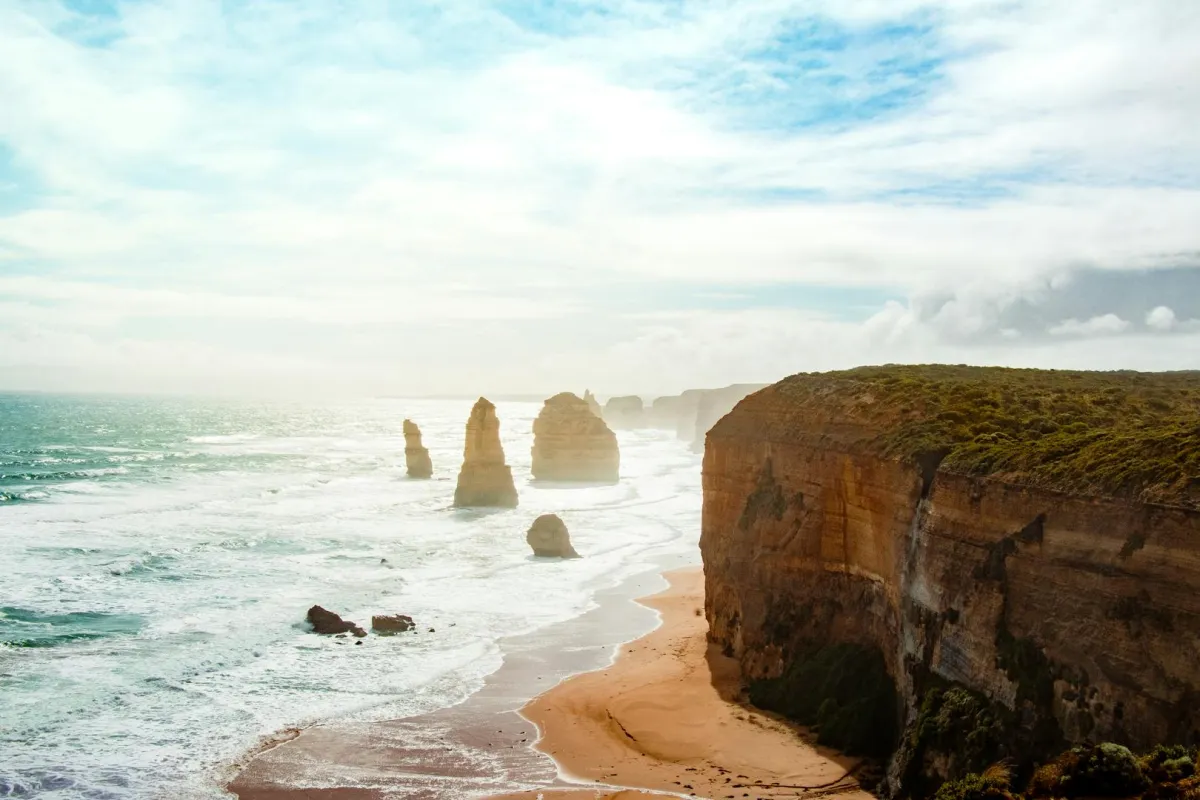
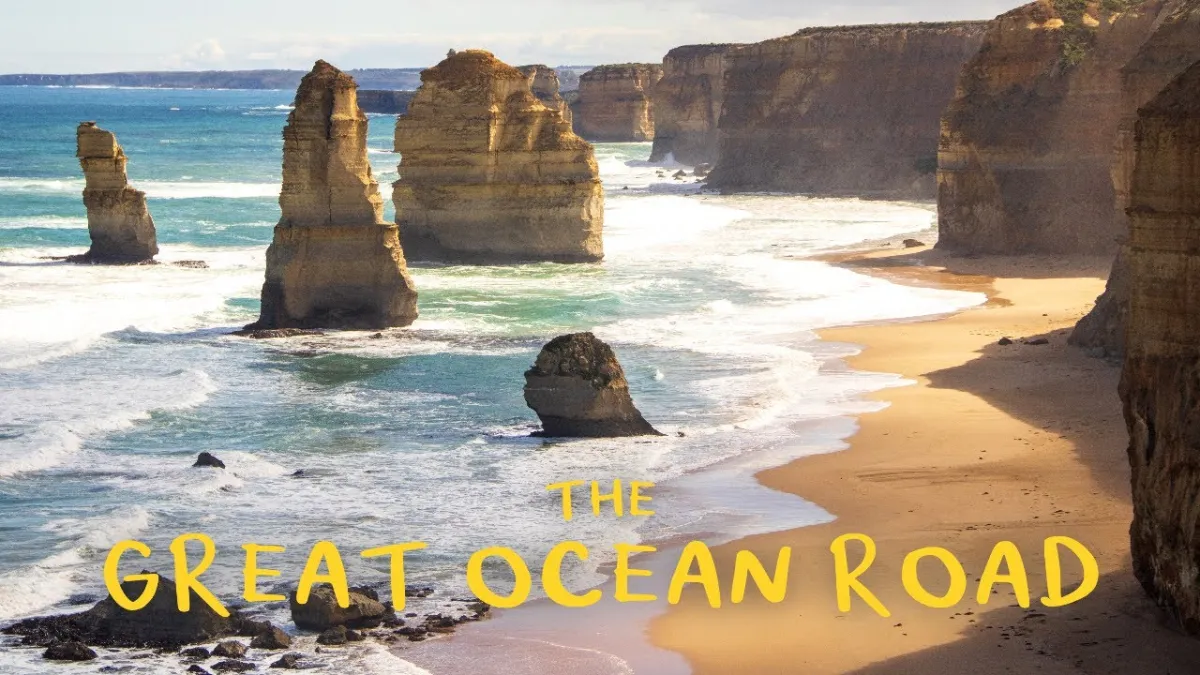
Rejoin the coast road at Lavers Hill and you'll start seeing the limestone stacks of the Shipwreck Coast. The Twelve Apostles are the headline act, but here's the thing most itineraries don't tell you: go at sunrise, not midday. The car park opens before dawn. At first light, the stacks glow orange-pink, the light is side-on and dramatic, and you'll share the viewing platform with maybe a dozen other people instead of several hundred. Set your alarm for 5:30am, drive the 6 km from Port Campbell, and you'll understand why people come back.
Check into Port Campbell Holiday Park in the afternoon — powered sites run around $45–$65 per night. The town has a small supermarket, a pub, and a good fish and chip shop. It's small but it has everything you need.
Day 4: Port Campbell to Warrnambool or Port Fairy (70 km)
You've already done the Apostles at sunrise, so Day 4 starts at a civilised hour. Loch Ard Gorge is 3 km east of the Apostles and is, in many people's opinion, more beautiful — a narrow gorge with turquoise water and a genuinely moving shipwreck story. Allow an hour. The Arch and London Bridge are roadside stops that take 10 minutes each and are worth it.
The Bay of Islands Coastal Park near Peterborough has a clifftop walk that most visitors skip entirely. It's quieter than the Apostles precinct and the views are just as good. Free to access, about 45 minutes return.
Warrnambool is a real regional city with a Woolworths, a Coles, good cafes, and the excellent Flagstaff Hill Maritime Village (around $20 per adult). Warrnambool Holiday Park has powered sites from around $45–$60 per night. If you'd rather finish somewhere smaller and more charming, Port Fairy is 28 km further west and one of the prettiest towns in Victoria. Port Fairy Holiday Park is well-run and close to the historic centre.
If you're continuing west towards South Australia, the one-way campervan hire from Melbourne to Adelaide guide covers how to handle the drop-off logistics, and the Melbourne to Adelaide road trip guide picks up where this itinerary leaves off.
Best Time of Year to Do This Trip
The Great Ocean Road is driveable year-round, but the experience varies significantly by season.
- Summer (December–February): Warm, long days, but campgrounds book out weeks in advance and prices peak. Book everything before you leave Melbourne.
- Autumn (March–May): The best overall window. Crowds thin after Easter, the light is golden, and temperatures are still comfortable. Campground prices drop noticeably.
- Winter (June–August): Cold and occasionally wet, but the coastline is dramatic and you'll have most lookouts to yourself. Some campgrounds reduce capacity. Whale watching season begins around June — southern right whales are regularly spotted from Logan's Beach in Warrnambool.
- Spring (September–November): Wildflowers in the Otways, warming temperatures, and reasonable crowds before the Christmas rush.
Campground Booking Tips and Costs
Parks Victoria campgrounds (including Queens Park in Lorne) must be booked online at parks.vic.gov.au. Private holiday parks can be booked directly or through booking platforms. Budget around $45–$65 per night for a powered site at a private park, and $30–$45 for a Parks Victoria site. In peak summer, add 20–30% to those figures and assume nothing will be available without advance booking.
If you have a self-contained vehicle, a handful of free or low-cost camp spots exist along the route — Aire River campground in the Otways is a Parks Victoria site with basic facilities and a beautiful river setting, costing around $15–$20 per night. It books out fast in summer.
Practical Gotchas Worth Knowing
- Fuel up in Lorne, Apollo Bay, and Port Campbell. There are gaps where you won't find a servo for 60+ km.
- Mobile coverage drops out between Lorne and Apollo Bay and again through the Otways. Download offline maps before you leave.
- The road through the Otways has tight bends and steep grades. If you're in a larger motorhome (7m+), allow extra time and take it easy on the descents.
- Campfire restrictions apply in summer across most of the route. Check the CFA website before you assume you can have a fire.
- Some campgrounds have a minimum two-night stay on weekends in peak season. Check when booking.
For a broader look at how to structure your time on the road, the Great Ocean Road Itinerary: The Perfect 3–5 Day Campervan Trip covers alternative pacing options if four days doesn't suit your schedule. And if this trip has you thinking about other Australian coastal drives, the best WA coastal road trips by campervan is a good next read.
When you're ready to compare operators and lock in your vehicle, CamperCompare lets you filter by pickup location, vehicle size, and self-contained status so you're not trawling through a dozen websites separately.
Planning your trip?
Compare campervan & motorhome hire prices across Australia: